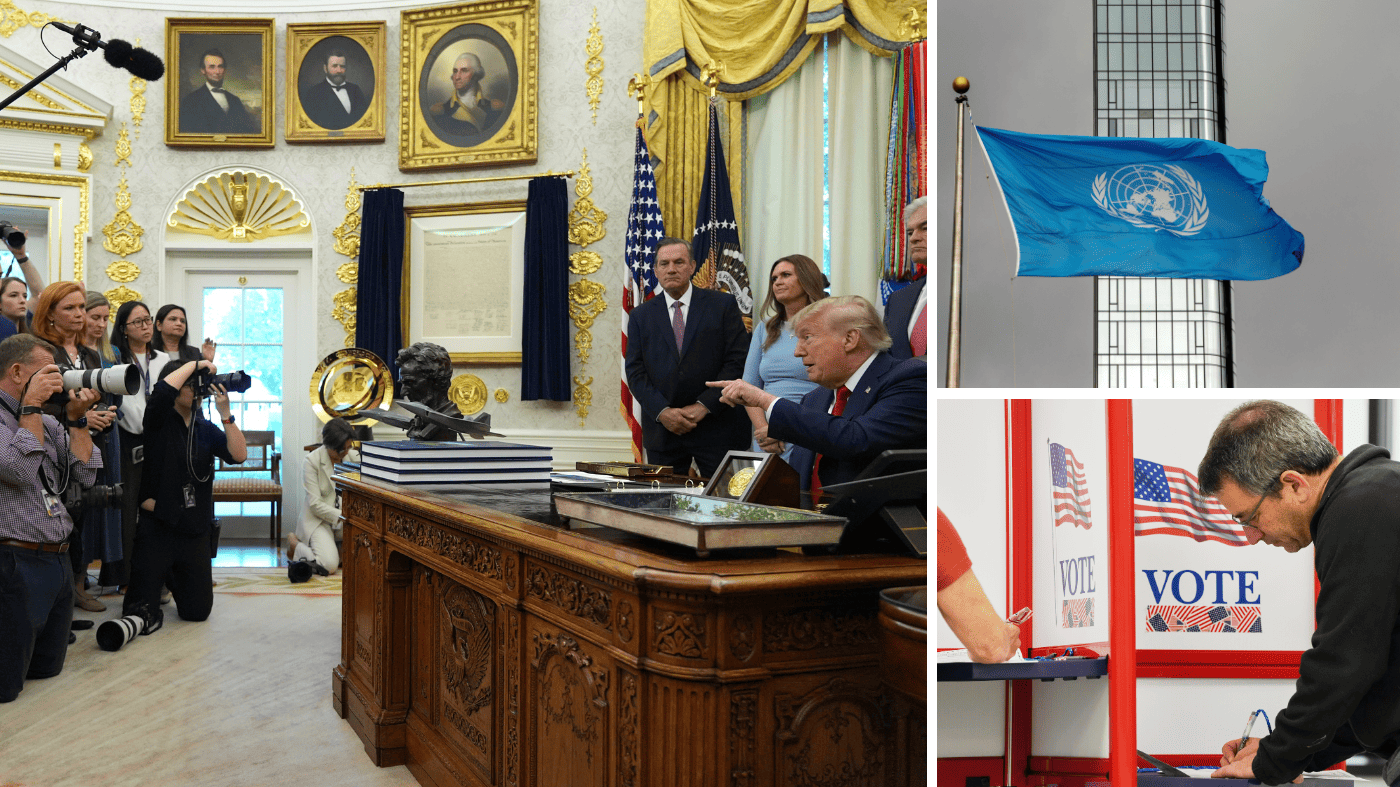
A new Marquette Law School poll reveals that an overwhelming majority of Americans believe the ongoing conflict with Iran has not achieved U.S. objectives and has not justified its costs. The survey, conducted July 22-29 among 1,076 respondents, found that 88 percent said the United States has not met its goals in the war, while only 12 percent disagreed. Additionally, 75 percent described the fighting as not worth the financial and human toll, with just 25 percent saying it was worth it.
The conflict, now past the five-month mark, has strained the global economy, driven up energy prices, and tested long-standing alliances. According to AAA, the average price for a gallon of gasoline in the U.S. stood at about $4.08 on Wednesday afternoon, up from roughly $3.16 a year earlier. This surge has become a central concern for American households and a potential political liability for the GOP as the midterm elections approach.
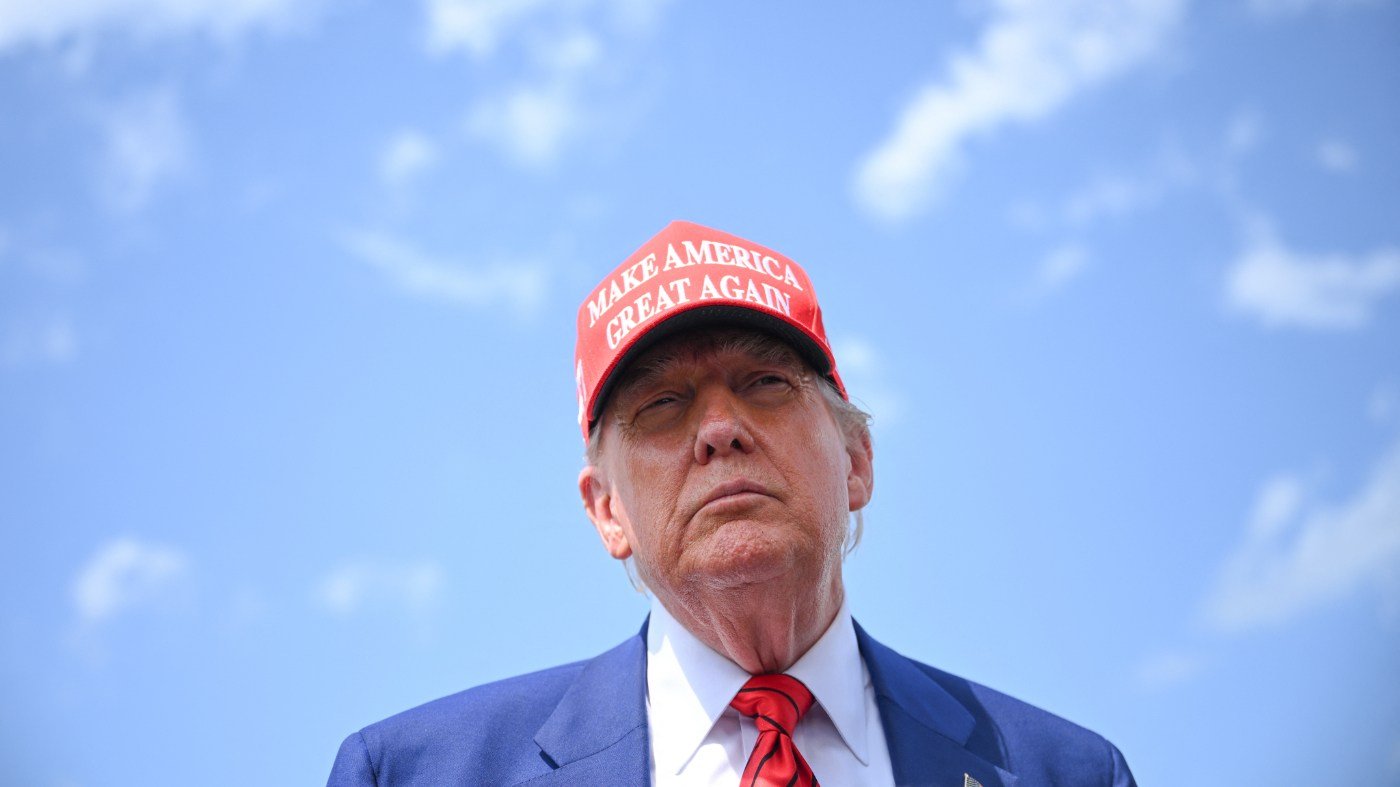
While Republicans have largely supported President Trump's handling of the Iran war, the sustained costs and lack of a clear endgame are beginning to worry party strategists. The poll's findings align with other recent surveys, including a Quinnipiac poll that found 55% of Americans expect the war to last more than a year, and a separate poll showing Trump's approval rating hitting a new low as fuel prices and the conflict take a toll.
Last week, Fox News host Brian Kilmeade disclosed that President Trump privately acknowledged the war's unpopularity. According to Kilmeade, Trump said, "Basically, his word was, 'I am surprised at the amount of progress made in the Oman talks,' and he said, 'I realize the war is not that popular, I also realize it's necessary.'" The president's comments came as Oman has been mediating negotiations between Washington and Tehran.
On Monday, Trump issued a stark warning to Iran, calling it their "last chance" to reach an agreement or face "decapitation." The threat underscores the administration's aggressive stance, but also highlights the lack of a diplomatic breakthrough despite ongoing talks.
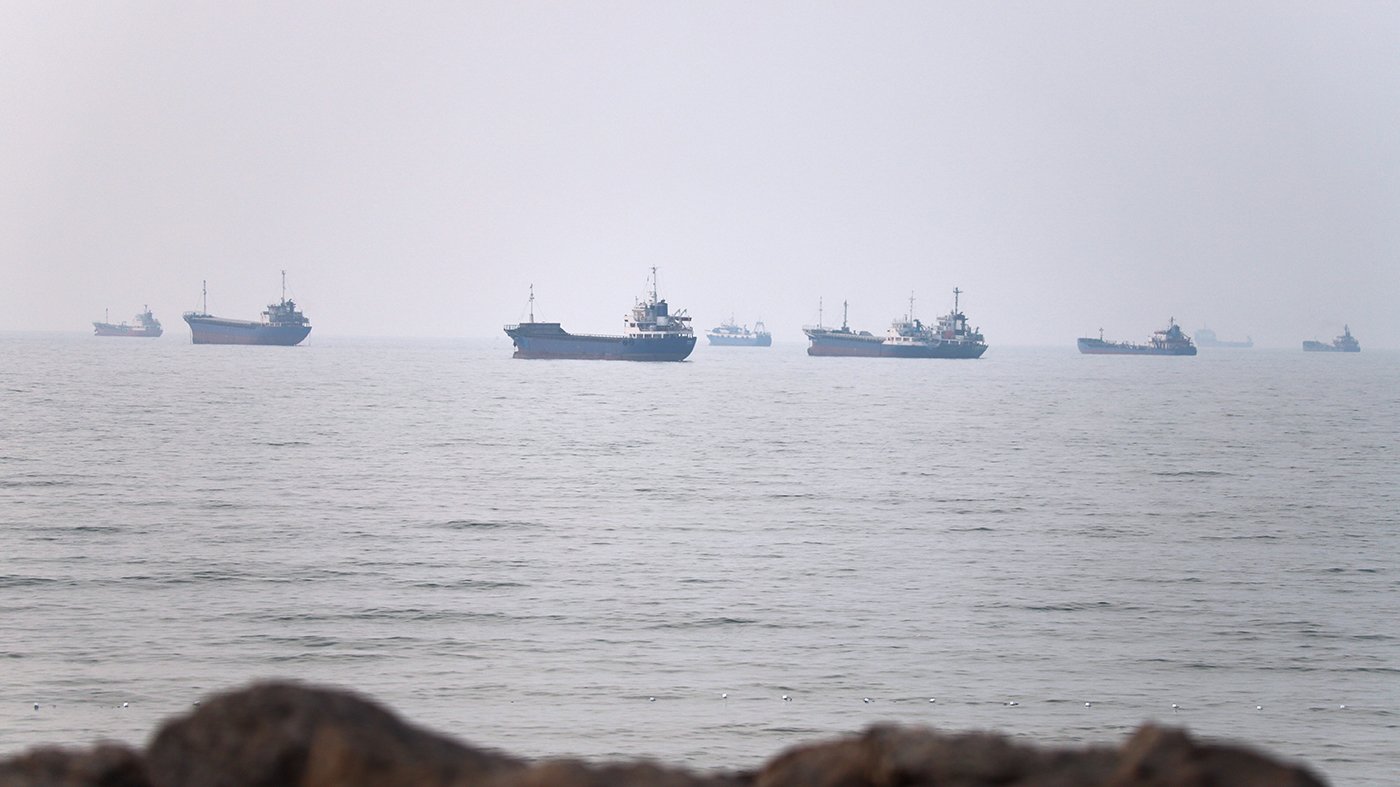
The war's expanding scope is another concern. Recent attacks, such as the one on an Egyptian port, suggest the conflict is spreading beyond the US-Israel axis, raising fears of a wider regional war. Meanwhile, the Pentagon has had to create a new casualty category as the toll on U.S. forces rises, a development that could further erode public support.
With the midterms looming, Democrats are increasingly vocal about the war's costs, though some strategists argue that the party's midterm message is not resonating with voters who are more focused on economic pressures. The poll's margin of error is plus or minus 3.2 percentage points, making the findings statistically significant.
The combination of military stalemate, economic strain, and political fallout suggests that the Iran conflict will remain a defining issue in the months ahead, with public opinion firmly against the war's trajectory.