Record-breaking corporate political spending and billionaires' outsized influence are fueling a broader crisis of faith in American democracy, according to a new survey that links tax fairness to public trust in government.
The poll, conducted by Hart Research Associates for the advocacy group Better Taxes for a Better America, surveyed 2,610 registered voters and found that 62% believe democracy isn't working well for people like them, with little or no confidence it can solve the country's biggest problems. Yet 80% still say it's extremely or very important that America remains a democracy.
The disconnect, advocates say, is rooted in a tax code that lets the wealthy and corporations dodge their fair share while ordinary Americans struggle with rising costs. Inflation and affordability pressures have eaten away at optimism, leaving many to question why wealth should buy a different set of rules.
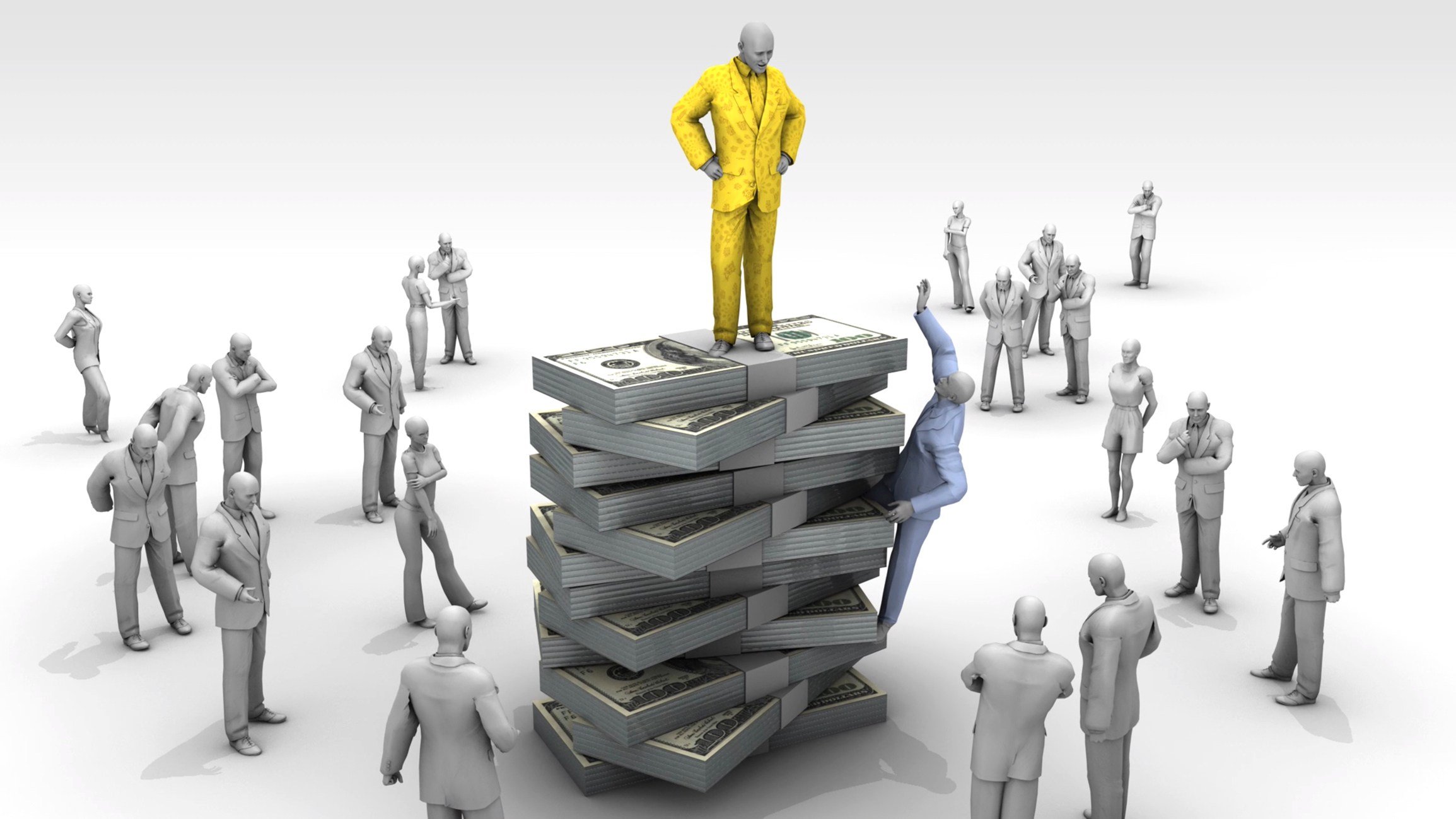
The survey found that 86% of respondents say wealthy people have too much power and influence over government, and 77% say the rich pay too little in taxes. Three-quarters call the tax system unfair, and 60% say the tax system itself is an example of democracy not working well. Additionally, 81% say a system where wealthy people and corporations pay their fair share is important to a strong and healthy democracy.
These findings are two sides of the same working-class frustration, said Sarah Pray, executive director of Better Taxes for a Better America. “Americans haven’t stopped believing in democracy,” she said. “They’re wondering whether our democracy is strong enough to stand up to wealth and power.”
The poll comes as corporate political spending crushes records. Companies have contributed $646 million to federal races this cycle, 40% more than during the entire 2024 presidential cycle. The top 20 donors, mostly billionaires, have poured in $1.2 billion. Big spenders from crypto, AI, and online betting are backing politicians who oppose new regulations on their industries, allowing them to continue building unbridled wealth and power.
Pray argues that paying taxes gives citizens a real stake in self-government. “No matter how rich or poor you are, you contribute to this country and have a say in how it works,” she said. “It’s real skin in the game.”
The survey suggests that concrete policy moves could help restore faith. Seventy-six percent of respondents said they would be more confident democracy is working if they saw a headline announcing that major tax reform had raised taxes on the wealthy.
Pray emphasizes that a fairer tax code won’t solve every problem, but it would provide proof that everyone has a real say in how the country works, regardless of income. “Respectfully, these Americans don’t need lectures about why they should trust the government,” she said. “They need proof.”
As political battles over economic policy intensify, the link between tax fairness and democratic legitimacy is becoming a central issue for voters and lawmakers alike.