A fresh poll from The Economist and YouGov reveals that nearly one in three American voters is willing to support a democratic socialist candidate at the ballot box. The survey, conducted June 26-29 among 1,606 respondents, found 29% said they would vote for a democratic socialist, 45% said they would not, and 26% were unsure. The margin of error is plus or minus 3.2 percentage points.
The findings arrive as democratic socialists notch a string of electoral victories in cities including New York, Los Angeles, and Washington, D.C., as well as in Colorado. The movement has gained momentum since the election of New York City Mayor Zohran Mamdani last year, and broader trends show wealthy, educated voters are driving the surge, according to separate polling.
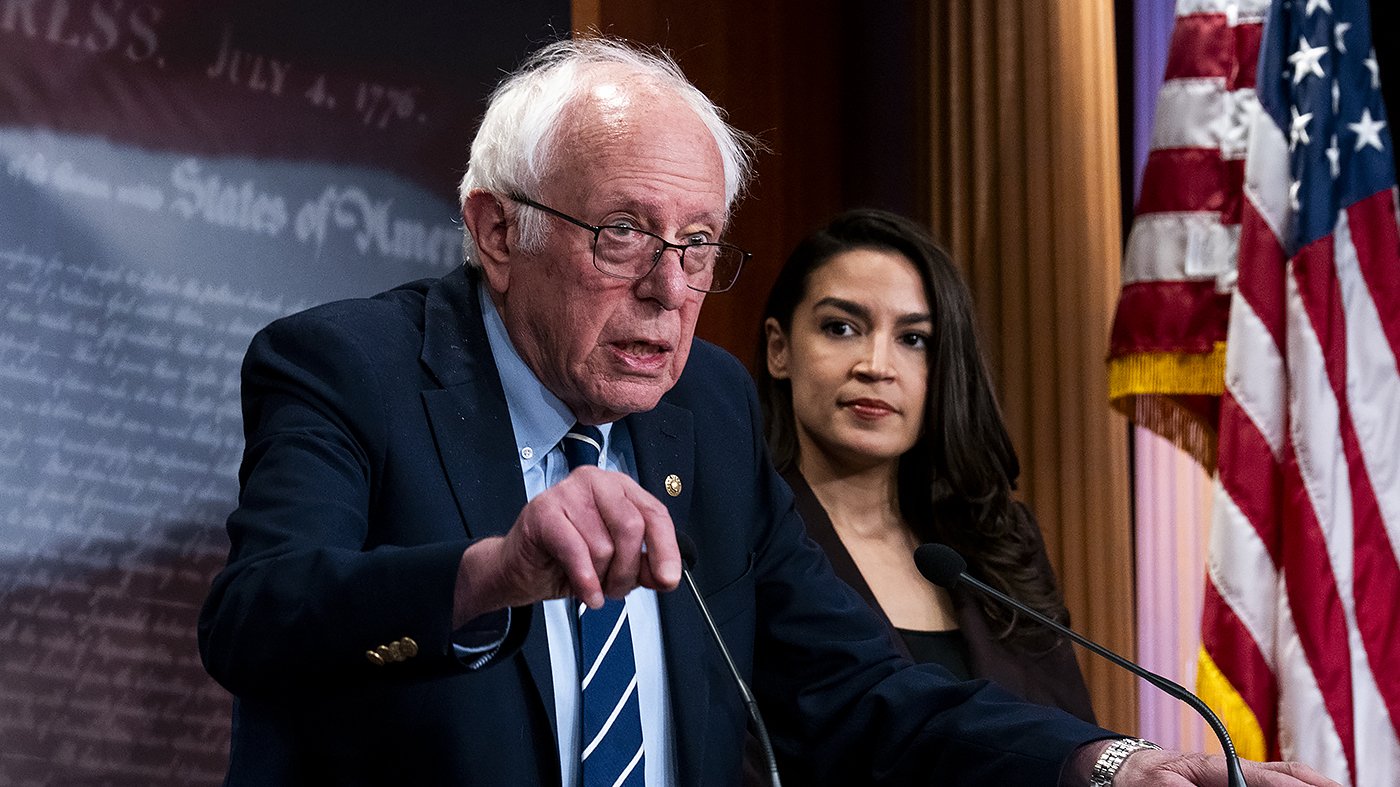
Sen. Bernie Sanders (I-Vt.) is widely credited with launching the modern democratic socialist wave with his 2016 presidential campaign, which later helped propel Rep. Alexandria Ocasio-Cortez (D-N.Y.) into office. Both remain the most recognizable figures in the movement. In a post on X Wednesday, Sanders declared: “When I look at the recent progressive victories in Colorado and elsewhere, and the successful organizing campaigns sprouting up across the country, I believe we may be on the brink of the political revolution we have been fighting for.”
The poll also gauged broader attitudes toward socialism itself: 32% of respondents viewed it favorably (very or somewhat), 39% unfavorably (very or somewhat), and 29% were unsure. Those numbers reflect a persistent partisan and ideological divide, even as socialist candidates have scored wins in reliably blue and swing jurisdictions.
In Colorado, a recent upset in the state’s Democratic primaries saw a socialist-backed candidate defeat a longtime incumbent, a development that shook the political establishment and drew national attention. Former New York City Mayor Bill de Blasio has argued that the rise of democratic socialists signals the party needed a jolt, telling The World Signal that the movement’s energy is forcing mainstream Democrats to confront structural inequalities.
Meanwhile, the Democratic Party remains deeply divided over how to respond. The Massie amendment on Israel aid exposed rifts between the party’s progressive and centrist wings, and the growing influence of democratic socialists has intensified those tensions. The new poll underscores that while a plurality of voters still shun the label, a sizable and potentially decisive minority is open to candidates who embrace it.
With the 2026 midterms on the horizon, the question is whether democratic socialists can expand their coalition beyond urban strongholds and college-educated enclaves. The Economist/YouGov data suggests the movement has room to grow, but also faces a ceiling: nearly half of Americans remain firmly opposed.