Politicians love to play Chicken Little. Declaring a crisis—whether on climate, the economy, or healthcare—gives them cover to push sweeping, often costly reforms. But the data tells a different story: Americans are getting healthier, and the sky is not falling.
Obesity rates are finally dropping. Heart disease deaths are declining. Cancer survival rates have climbed from 50% in the 1970s to 70% today, according to the American Cancer Society. Life expectancy hit a record 79 years. Even childhood diseases that once terrorized families are largely eradicated.
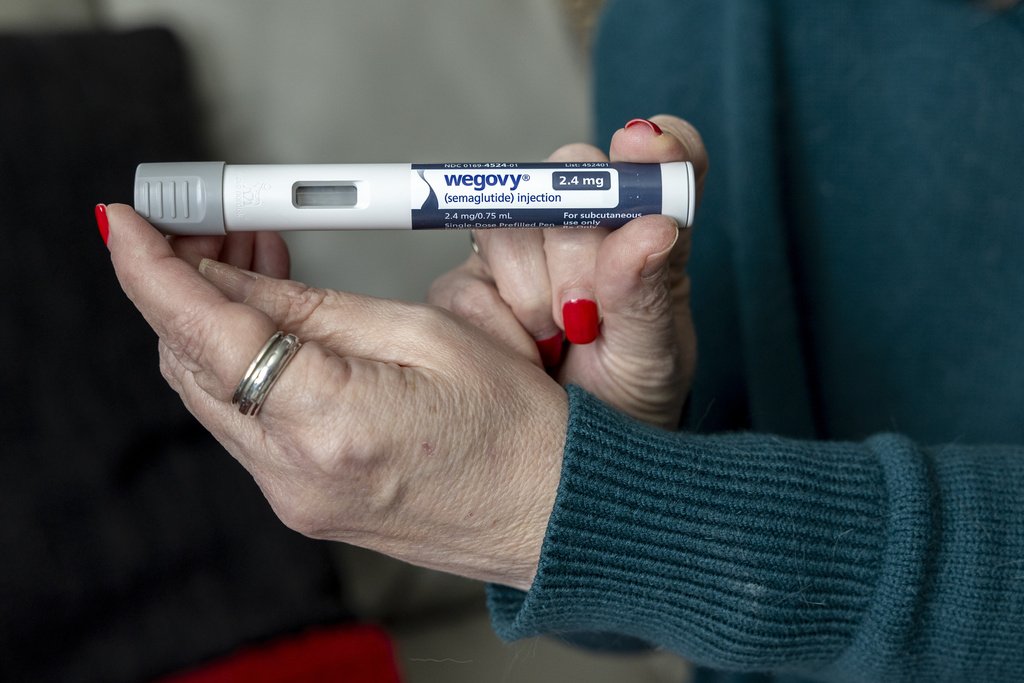
These gains owe much to pharmaceutical innovation. GLP-1 drugs are helping millions lose weight. Statins are cutting heart disease risks. HIV is now a manageable condition, not a death sentence. Targeted cancer therapies make headlines regularly. Yet rather than celebrate, many politicians on both sides of the aisle exaggerate problems to justify extreme policies.
Progressive Democrats like Senator Elizabeth Warren want the government to seize drugmakers’ intellectual property, ignoring patent protections. Senator Bernie Sanders proposes banning pharmaceutical ads, arguing they drive up costs—though by that logic, Coca-Cola commercials would also have to go. Some Republicans, meanwhile, advocate for European-style price caps, which would lower short-term costs but likely stifle long-term research and development of new treatments.
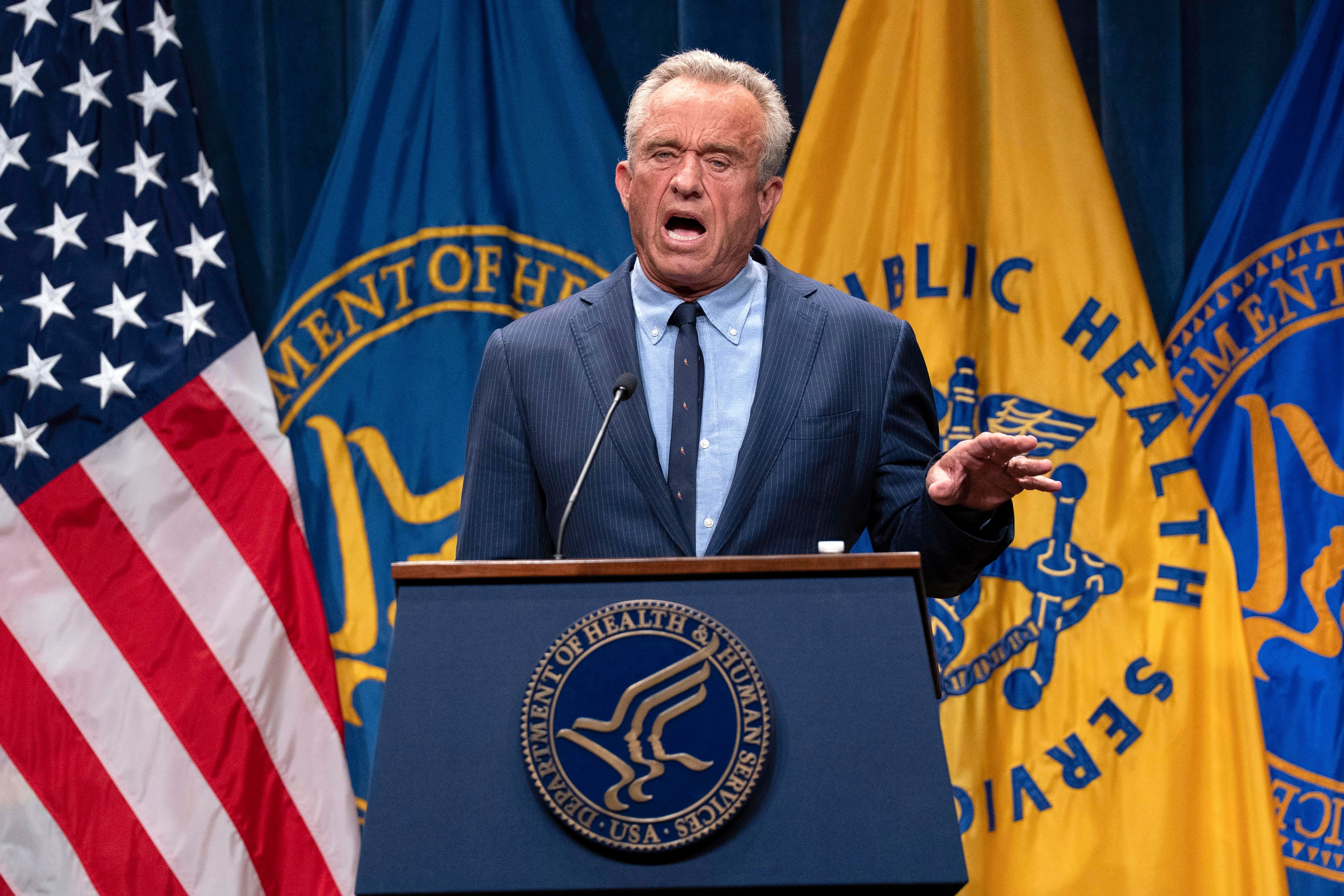
The current administration includes vaccine skeptics who exploit post-pandemic distrust to slow vaccine approvals. As one major newspaper noted in March, it’s “embarrassing that Europe’s slow-twitch bureaucrats are approving new vaccines and drugs faster than the FDA.” This is a far cry from the urgency needed to protect public health.
There’s no denying the U.S. healthcare system has room for improvement. But too often, politicians offer solutions in search of a problem—risking the very progress they claim to champion. The hard truth is that Americans are getting healthier, and the political sky-is-falling routine is just that: a routine.
Meanwhile, other crises get real attention. A recent poll showed that 59 million Americans oppose war with Iran as a truce holds, and 67% report financial strain from surging gas prices amid that conflict. But on healthcare, the data is clear: the alarm is overblown.
A Reality Check on Health Progress
Ten million Americans now use GLP-1s for weight loss. Statins are widely prescribed for cholesterol management. HIV therapies have turned a fatal disease into a chronic condition. And cancer survival keeps improving. These are not signs of a system in collapse—they are signs of a system delivering results.
Yet politicians from both parties continue to push policies that would undermine this progress. Whether it’s price controls, advertising bans, or intellectual property seizures, the common thread is a willingness to sacrifice future innovation for short-term political gain.
As former HHS Secretary Tom Price writes, “The not-so-hard truth is Americans are getting healthier and the sky is not falling.”