Pharmaceutical partners Pfizer and Valneva announced Monday that their investigational Lyme disease vaccine candidate demonstrated approximately 70 percent efficacy in preventing the illness during a Phase 3 clinical trial. The companies stated they are preparing to submit the data to regulatory authorities for review, potentially paving the way for the first human vaccine against the tick-borne disease in more than two decades.
Statistical Hurdle Cleared in Second Analysis
The trial, named VALOR, initially failed to meet a pre-specified statistical criterion during its first analysis due to a lower-than-expected number of Lyme disease cases among participants. However, a second pre-planned analysis confirmed the vaccine's efficacy, allowing the companies to proceed with regulatory submissions. The full trial results have not yet been published in a peer-reviewed scientific journal.
"Lyme disease can cause potentially serious consequences where individuals and families face symptoms that can disrupt daily life, work, and long-term health, and there is currently no vaccine available," said Annaliesa Anderson, Pfizer's senior vice president and chief vaccines officer, in a statement. "The efficacy shown in the VALOR study of more than 70% is highly encouraging and creates confidence in the vaccine's potential to protect against this disease that can be debilitating."
A Long-Awaited Medical Countermeasure
If approved, the vaccine would fill a significant public health gap. The last Lyme disease vaccine for humans, LYMErix, was introduced in 1998 but withdrawn from the market by its manufacturer in 2002 amid low sales and public concerns about potential adverse effects. That vaccine was reported to reduce new infections in vaccinated adults by nearly 80 percent, according to a subsequent editorial review.
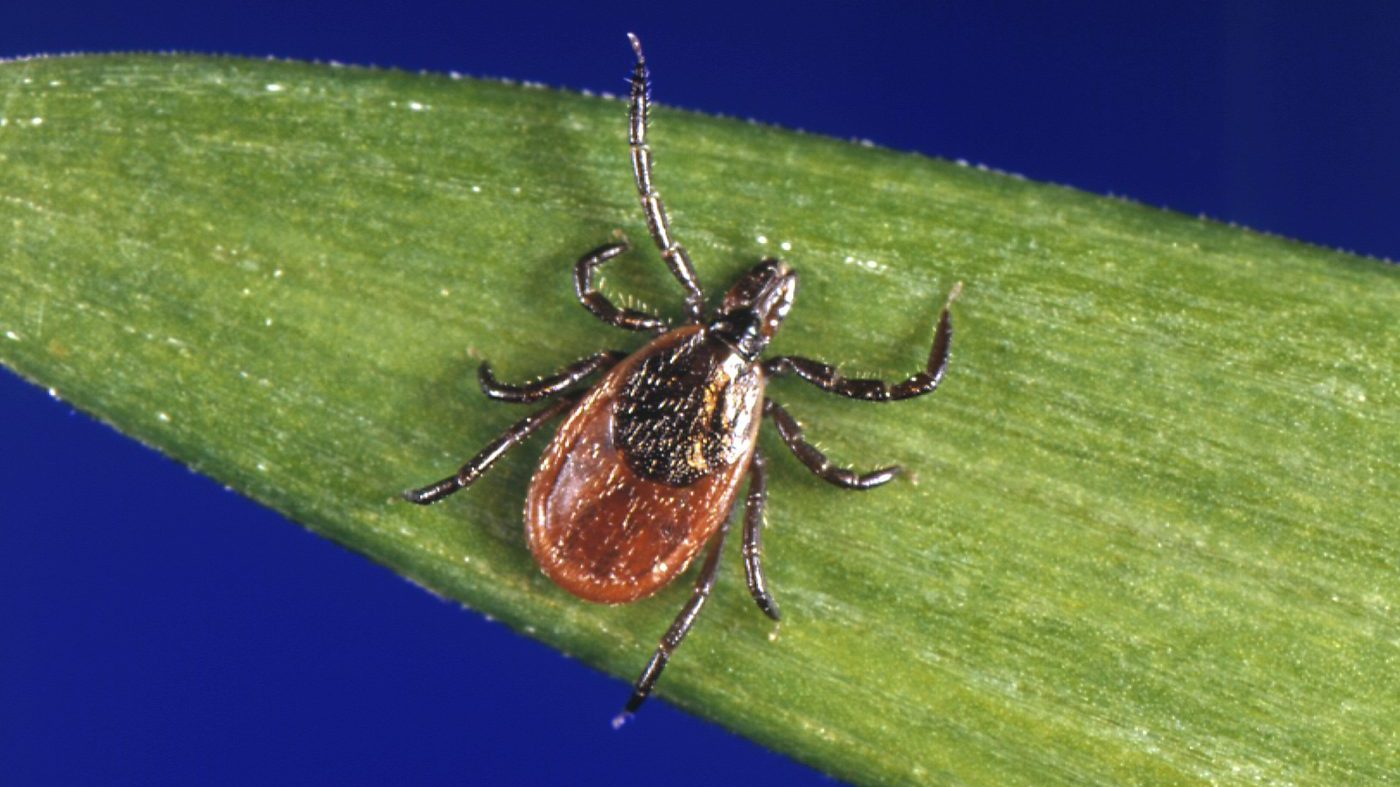
Lyme disease is transmitted to hundreds of thousands of people in the United States each year through bites from infected blacklegged ticks. The Centers for Disease Control and Prevention notes that an infected tick must be attached for more than 24 hours to transmit the bacteria, and prompt removal can prevent infection. The illness is typically contracted during outdoor activities and is treated with a 10- to 14-day course of oral antibiotics.
Left untreated, Lyme disease can lead to severe complications, including arthritis, neurological problems, and cardiac issues. The development of a new vaccine represents a critical preventive tool against a disease whose geographic range is expanding, partly due to climate factors. This public health initiative stands in contrast to the politically charged debates over other health policies, such as the detailed campaign advertising contracts scrutinized during election cycles.
Regulatory Pathway and Market Context
The path to regulatory approval will now depend on the review by agencies like the U.S. Food and Drug Administration and the European Medicines Agency. The companies' announcement is a significant milestone in a long effort to reintroduce a vaccine for a disease that poses a growing burden in North America and Europe.
The vaccine's development occurs within a complex global health and political landscape, where pharmaceutical innovation often intersects with international relations and economic policy. While this story focuses on a domestic public health achievement, global tensions elsewhere, such as the extended diplomatic ultimatums and military pauses concerning Iran, remind us of the broader context in which scientific advancements are deployed.
Success in this arena requires not just scientific validation but also public trust and clear communication—challenges that ultimately led to the demise of the previous vaccine. The new candidate's journey will be closely watched by public health officials, clinicians, and advocacy groups as it moves through the final stages of the regulatory process.