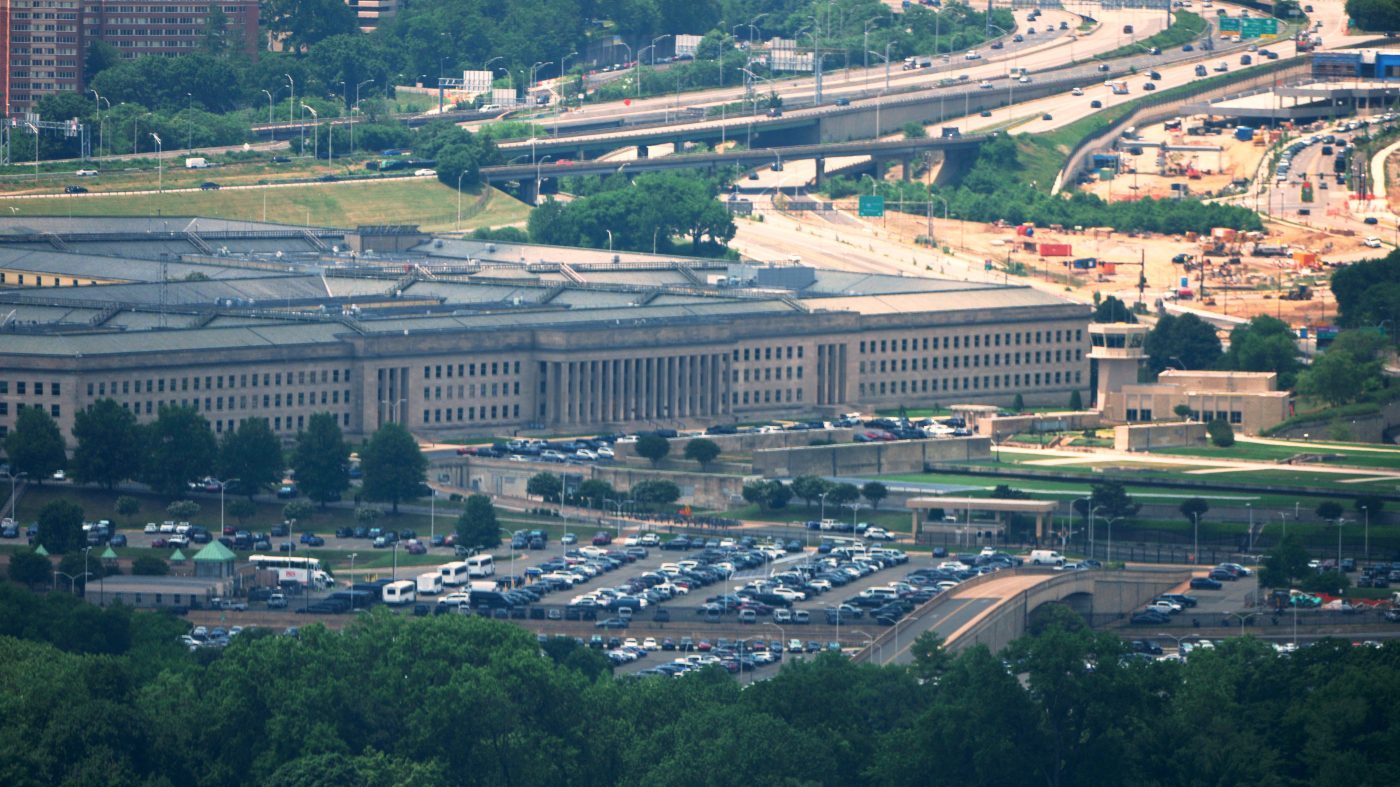
The Pentagon has quietly shifted the deaths of four American service members and dozens of others wounded in recent clashes with Iran into a newly created casualty category, raising fresh questions about transparency as the conflict enters its sixth month.
According to a defense official who spoke on condition of anonymity, the move is tied to the conclusion of Operation Epic Fury. With that operation now over, the department now classifies such casualties under a rubric labeled “Overseas Operations” within the U.S. Central Command theater. The four fatalities and multiple injuries were removed from the Pentagon’s public Defense Casualty Analysis System (DCAS), the main database used to track war-related deaths and wounds.
The official’s explanation comes amid mounting scrutiny over the Pentagon’s reluctance to fully disclose the human cost of the ongoing campaign against Iran. The department has not held a press briefing since early May, and critics argue the reclassification obscures the true scale of American losses. As of the latest DCAS data, 18 service members have been killed and 624 wounded since the U.S. and Israel launched operations in late February.
Pentagon under fire for lack of transparency
The new category has drawn sharp criticism from lawmakers and watchdogs who accuse the Pentagon of excluding four troop deaths from official war tallies, alleging political manipulation. Senator Elizabeth Warren described the reclassification as “cruelty,” arguing it dishonors the sacrifices of service members and their families.
Defense Secretary Pete Hegseth, during recent testimony before Congress, did not declare the Iran war over. He informed senators that the conflict’s cost has ballooned to $37.5 billion but offered no detailed breakdown of casualty figures. His testimony did not address the new casualty category or the Pentagon’s overall approach to reporting losses.
Escalation after missile strike
The controversy intensified Tuesday evening when Iran’s Islamic Revolutionary Guard Corps fired five ballistic missiles at a U.S. base in Jordan. The attack came just days after President Trump announced a pause on American strikes against Iran over the weekend. Trump responded Wednesday by declaring it was the U.S. military’s “turn” to strike back.
“It’s going to be straightening out. In the meantime, we’re going to be hitting them very hard because it’s our turn to hit them. They know it’s coming. They’re asking us not to do it, but you know they tried shooting it last night,” Trump told reporters at the White House.
The president’s remarks signal a potential new phase of direct confrontation, even as the Pentagon’s data management raises doubts about how fully the administration is accounting for the war’s toll. The Iran war casualties surpass 600, but discrepancies in reporting continue to fuel skepticism.
Broader implications
Defense analysts note that the reclassification may have implications beyond transparency. By moving casualties out of the DCAS system, the Pentagon could alter how future benefits and recognition are calculated for affected troops and families. The “Overseas Operations” category currently lacks the specific war designation that typically triggers certain entitlements and honors.
The Pentagon has not responded to requests for further clarification on the criteria for the new category or how long it will remain in use. Meanwhile, the conflict shows no signs of abating, with drone attacks and missile exchanges continuing across the region. The drone attacks hit US base in Erbil as the Pentagon strikes Iran for the 13th consecutive night, underscoring the persistent danger to American forces.
As the administration weighs its next moves, the casualty reclassification threatens to become a political flashpoint, with critics accusing the Pentagon of manipulating data to downplay the war’s human cost.