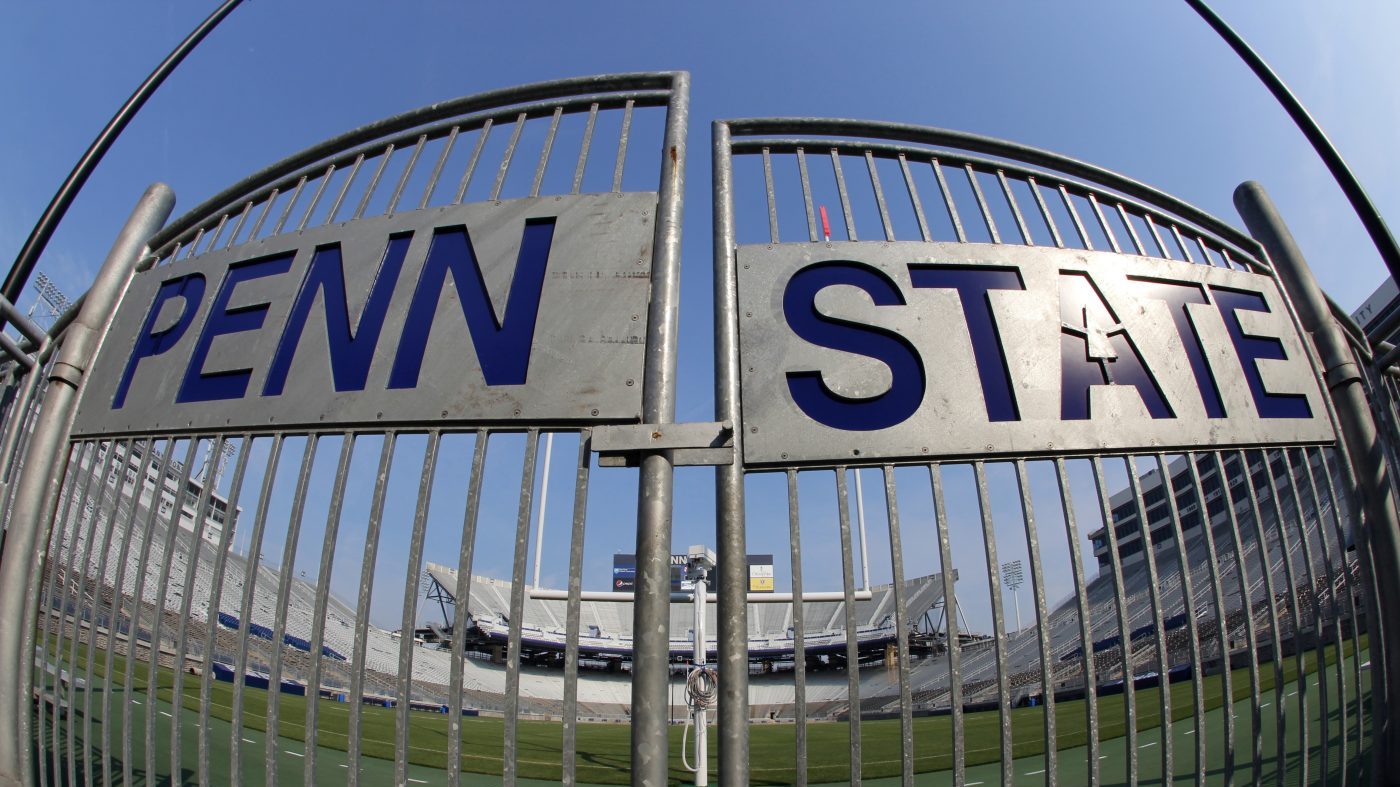
The alleged mastermind behind a cocaine trafficking network that operated within Penn State University's fraternity system turned himself in to authorities on Tuesday, marking a significant development in a case that has rocked the campus community.
Agostino Abbatiello, 24, a former senior member of the Sigma Chi fraternity, appeared before a district judge who denied bail during his arraignment. He faces multiple counts of cocaine possession with intent to deliver and conspiracy, according to the Pennsylvania Attorney General's Office.

Abbatiello is one of 14 defendants charged in connection with the ring, which authorities say was run by fraternity members and pledges between 2023 and 2024. The charges were announced Monday, and Abbatiello's surrender came a day later.
Operation details
According to the investigation, Abbatiello and Thomas Robinson, a senior member of Delta Upsilon, served as the primary suppliers. The pair regularly traveled to Philadelphia and New York to pick up large quantities of cocaine, which they then brought back to the fraternity houses for processing.
At the Delta Upsilon and Sigma Chi properties, the drugs were cut, packaged, and sold to students, primarily through the social media app Snapchat. Investigators estimate the operation generated hundreds of thousands of dollars in revenue.
Pennsylvania Attorney General Dave Sunday described the scheme as a coordinated and highly profitable drug-trafficking crew that involved not just the ringleaders but also other fraternity brothers and even pledges.
"This was a coordinated and highly profitable drug-trafficking crew revolving around two senior members of the fraternities, other fraternity brothers, and pledges," Sunday said during a news conference. "In fact, according to the evidence uncovered, cutting and packaging cocaine was, for some pledges, an indoctrination into the fraternities."
Charges and fallout
Abbatiello, Robinson, Mohammed Hurabi, and Lars Zeepvat are charged with corrupt organizations, conspiracy, dealing in proceeds of unlawful activity, and other related offenses. A fifth defendant, Robert Zanolla, faces conspiracy and criminal use of a communication facility charges.
In a separate but related development, Paul Robinson, Thomas Robinson's father, is accused of attempting to obstruct the investigation by hiding evidence, including a safe containing drugs and cash.
Eight other student-aged defendants are facing misdemeanor charges for drug possession and paraphernalia.
Delta Upsilon's executive director, Justin Kirk, said the fraternity had been made aware of the charges and had taken swift action. "The individuals associated with Delta Upsilon have either been expelled, suspended, or resigned," Kirk said in a statement. "We will continue to work closely with the university on any investigative efforts."
Penn State announced that Delta Upsilon was placed on interim suspension on Monday, while the university does not formally recognize Sigma Chi.
This case is part of a broader pattern of drug activity on college campuses, similar to other incidents that have drawn national attention. For more on how universities are responding to such crises, see recent coverage of campus health and safety. Additionally, the legal proceedings may be influenced by ongoing debates about criminal justice reform, as highlighted in a landmark trial against social media platforms.