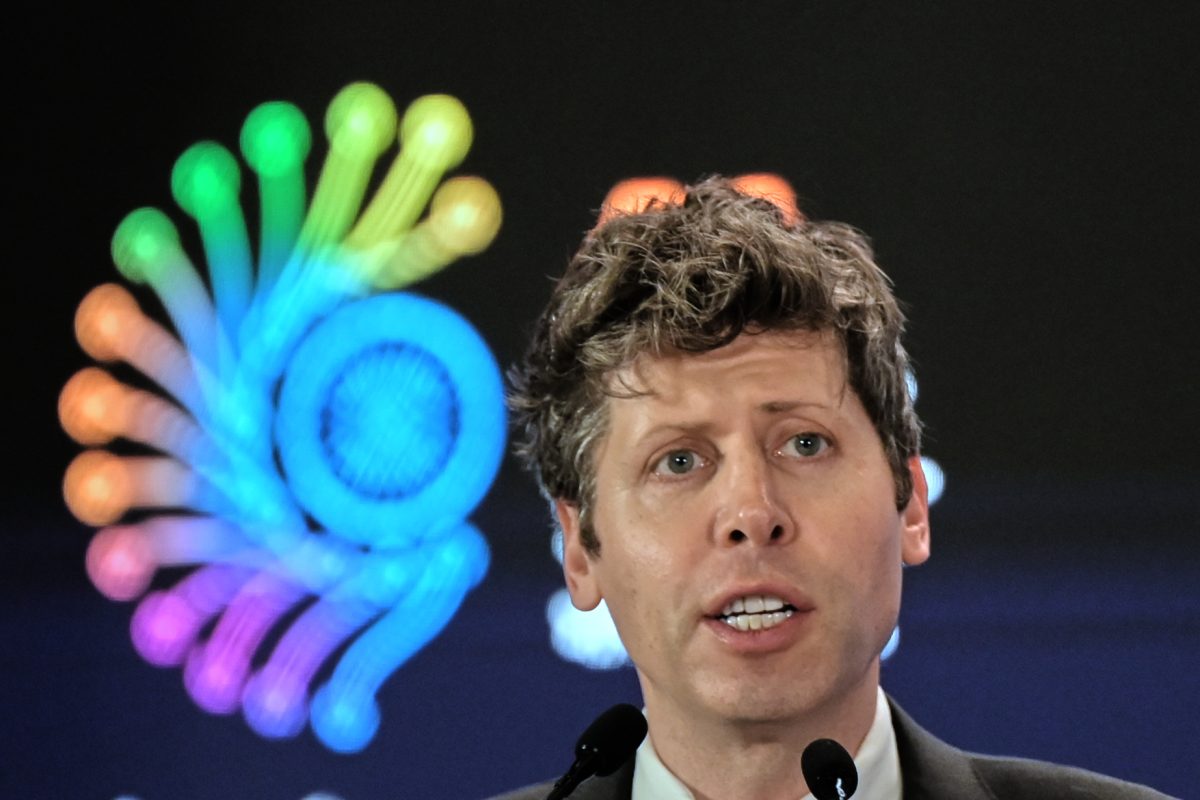
OpenAI CEO Sam Altman is making a high-profile swing through Washington this week, sitting down with White House officials and members of Congress on Wednesday to hash out the future of artificial intelligence regulation. The visit comes as both the executive branch and Capitol Hill grapple with how to oversee a rapidly advancing technology that poses both economic promise and security risks.
Altman’s meetings include discussions with aides involved in President Trump’s latest executive order, which outlines a voluntary process for the government to test AI models for cybersecurity vulnerabilities before they hit the market. An OpenAI spokesperson confirmed the agenda to The Hill, noting that Altman will also meet with lawmakers from both parties.
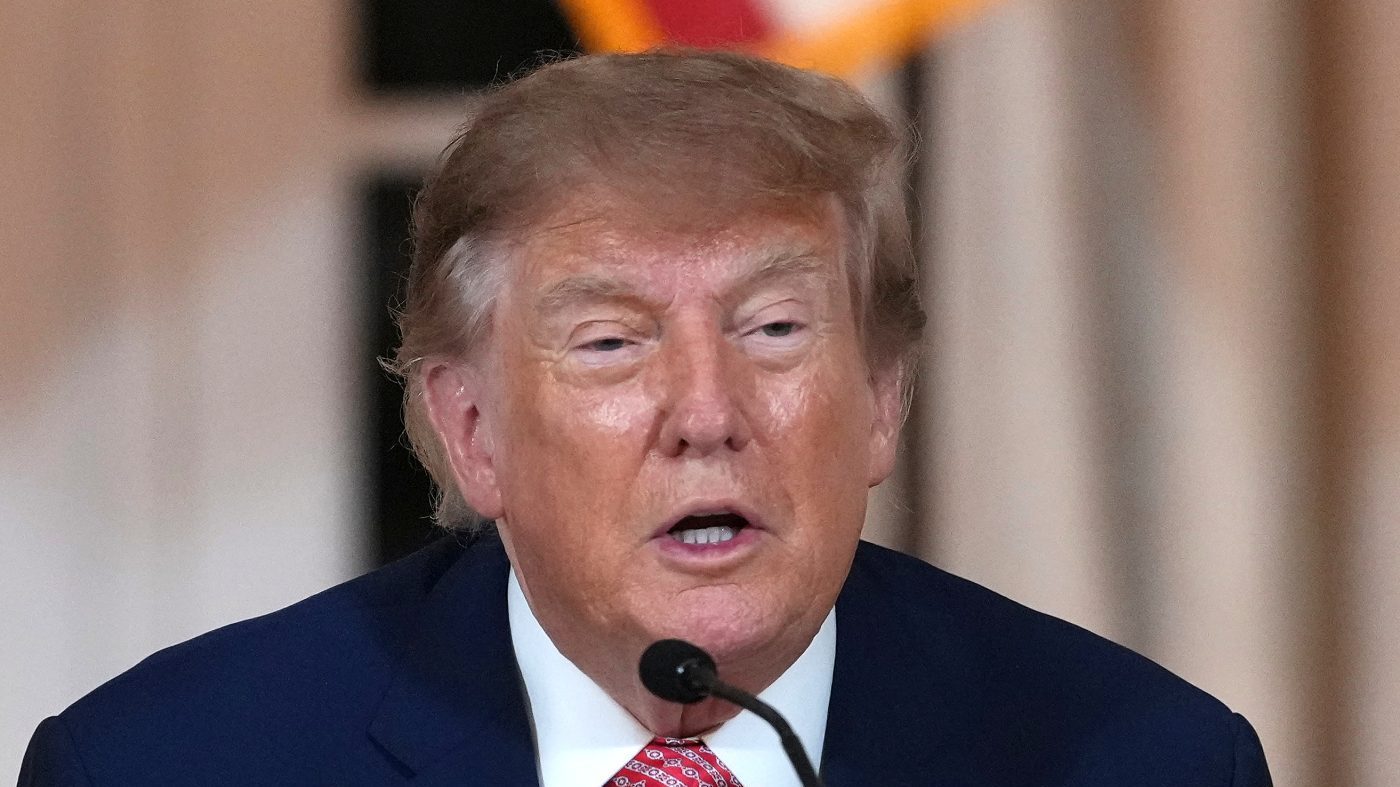
The executive order, signed privately by Trump on Tuesday, allows AI labs to submit their models to the government for up to 30 days of evaluation prior to public release. While the order marks a modest departure from the administration’s traditionally hands-off stance on tech regulation, White House officials stress that participation is entirely voluntary and not a regulatory mandate.
OpenAI has publicly backed the order and was among the major tech firms that collaborated with the White House on the directive in recent weeks. The company also recently rolled out its own AI cybersecurity model, GPT-5.5, designed to patch vulnerabilities and protect businesses from advanced hacking threats. That move came shortly after Anthropic released its Mythos cybersecurity model to a limited set of companies and the government.
On Capitol Hill, Altman’s calendar is packed. Sen. Bernie Sanders (I-Vt.), who has emerged as a leading voice on AI’s threat to American jobs, told CNN Tuesday evening that Altman requested a meeting. “He wants to talk,” Sanders said, signaling that workforce disruption will be a central topic.
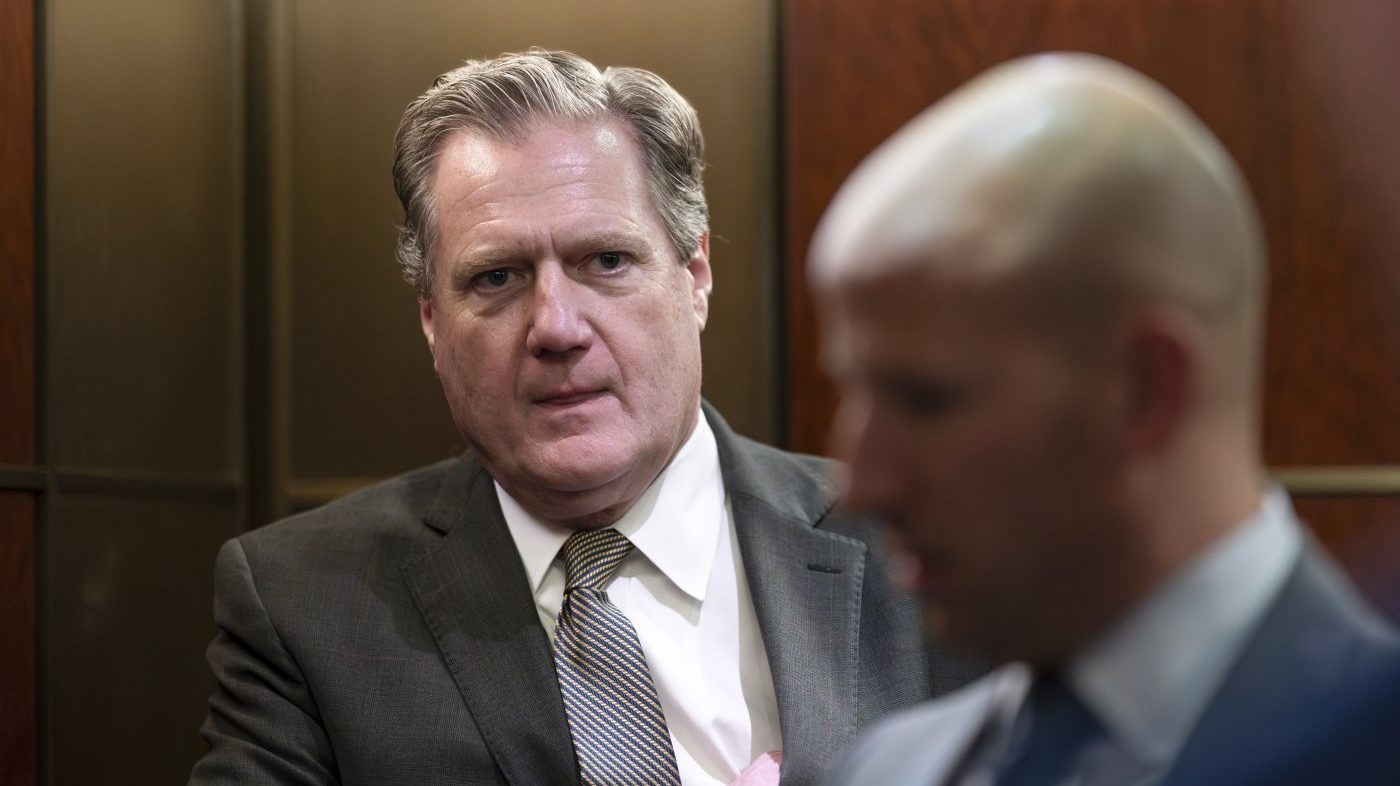
Speaker Mike Johnson (R-La.) told Politico he will also meet with Altman to discuss a House framework for AI regulation. Johnson’s involvement underscores the growing bipartisan urgency to craft legislative guardrails, though procedural hurdles and intraparty disagreements have stalled progress. Trump and White House tech officials sent Congress an AI policy “wishlist” earlier this year, but no formal bill has emerged.
Rep. Jay Obernolte (R-Calif.), who is leading the House effort, is reportedly “very close” to unveiling a draft framework, according to a source familiar with the discussions. Obernolte’s work is seen as a potential bridge between industry interests and congressional oversight, but the path forward remains uncertain amid broader debates over government spending and regulatory philosophy.
Altman’s visit also comes as Trump faces internal GOP headwinds, including a recent primary loss in Iowa that exposed fissures in his coalition. Meanwhile, the president’s admission that he called Israeli Prime Minister Netanyahu “crazy” over Lebanon operations has complicated foreign policy messaging, but AI remains a rare area of cross-party interest.
As the week unfolds, the meetings could shape the contours of U.S. AI policy for years to come, balancing innovation with the need to address cybersecurity, job displacement, and national security concerns.