Ohio Governor Mike DeWine vetoed two bills on Wednesday, including one that would have imposed a new photo identification requirement for absentee voters, a move that drew sharp reactions from both supporters and opponents of the measure.
The vetoed legislation, House Bill 472, sponsored by Republican Representative Jodi Salvo of Bolivar, would have mandated that absentee voters include a copy of their photo identification with their mail-in ballot starting in 2027. The bill was part of a broader push by some state lawmakers to tighten voting rules, but DeWine pushed back, arguing it would create an additional hurdle for Ohioans who vote by mail.
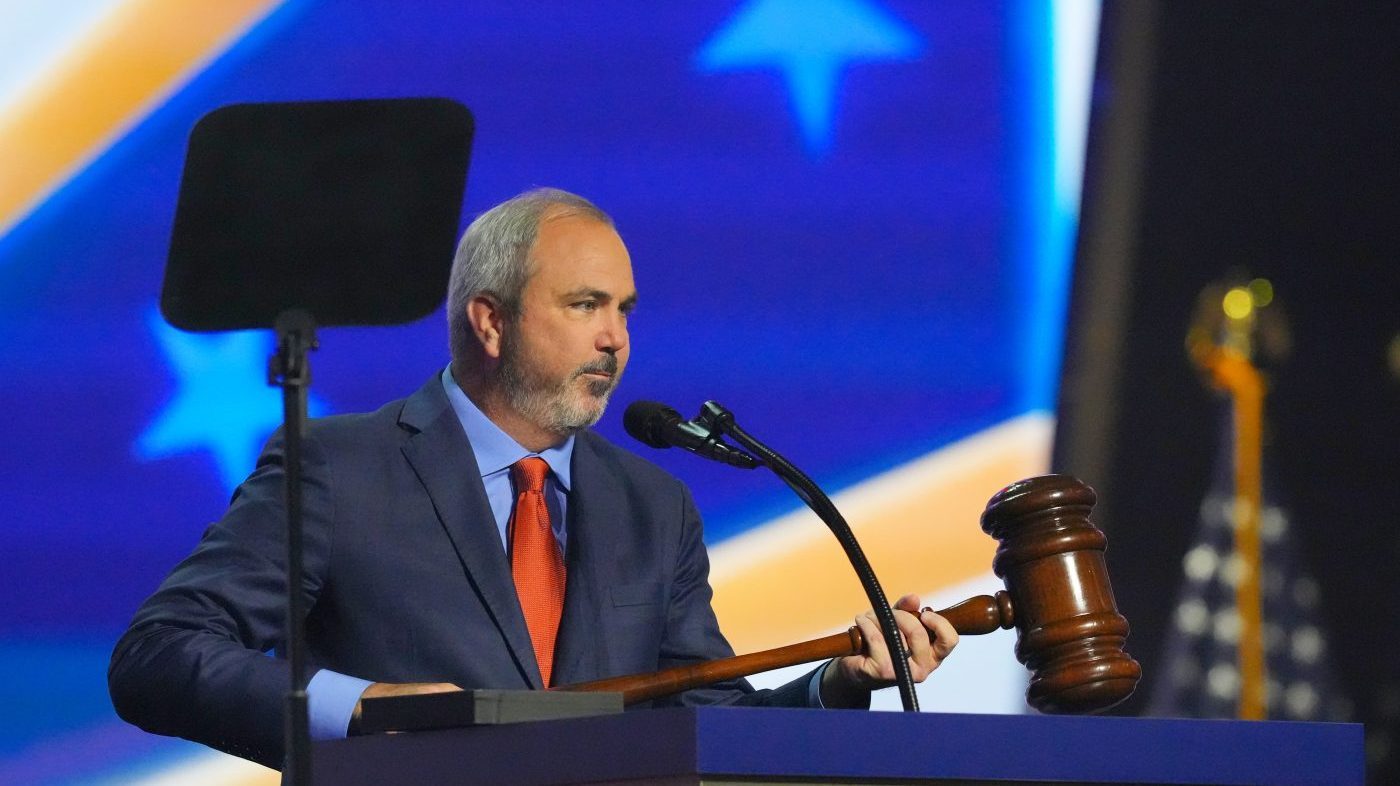
In a statement announcing the veto, DeWine emphasized that the state's election system is already robust. “Ohio’s election system is strong and is widely regarded as one of the most secure and well-administered in the United States,” he said. “This bill would not add any real security, but it would place an additional burden on Ohioans who choose to vote by mail.”
The veto comes amid a national debate over voting access and election integrity, with some states tightening rules and others expanding mail-in voting. The issue has become a flashpoint in political circles, particularly after the 2020 election cycle saw a surge in absentee voting due to the pandemic. DeWine's decision aligns him with voting rights advocates who argue that such requirements disproportionately affect elderly, disabled, and rural voters who rely on mail ballots.
Opponents of the bill, including Democratic lawmakers and voting rights groups, praised the veto. “This was a solution in search of a problem,” said state Senator Paula Hicks-Hudson, a Democrat from Toledo. “Our elections are already secure, and adding more paperwork only discourages participation.”
Supporters of the measure, however, expressed disappointment. Representative Salvo argued that the requirement would help prevent fraud, though she acknowledged that Ohio has not seen widespread issues. “We need to ensure every legal vote counts and that confidence in our elections remains high,” Salvo said in a previous interview. The veto may reignite discussions in the state legislature about alternative voting integrity measures, such as those seen in other states that have passed similar ID laws.
DeWine also vetoed House Bill 173, a separate piece of legislation, though details on that bill were less prominent in the governor's announcement. The governor signed several other bills into law on the same day, but the absentee voting measure drew the most attention due to its political sensitivity.
Nationally, the debate over voter ID laws has intensified. A federal judge recently permanently blocked a Trump administration order requiring citizenship proof for voting, while the House has passed multiple anti-fraud bills aimed at tightening election security. Ohio's move to reject a photo ID requirement for mail ballots stands in contrast to some Republican-led states that have embraced such measures.
The veto is likely to be a talking point in Ohio's upcoming political cycles, as both parties vie for control of the statehouse and congressional seats. For now, absentee voters in Ohio will continue to vote without the need to submit a copy of their photo ID, a practice that has been in place for years.