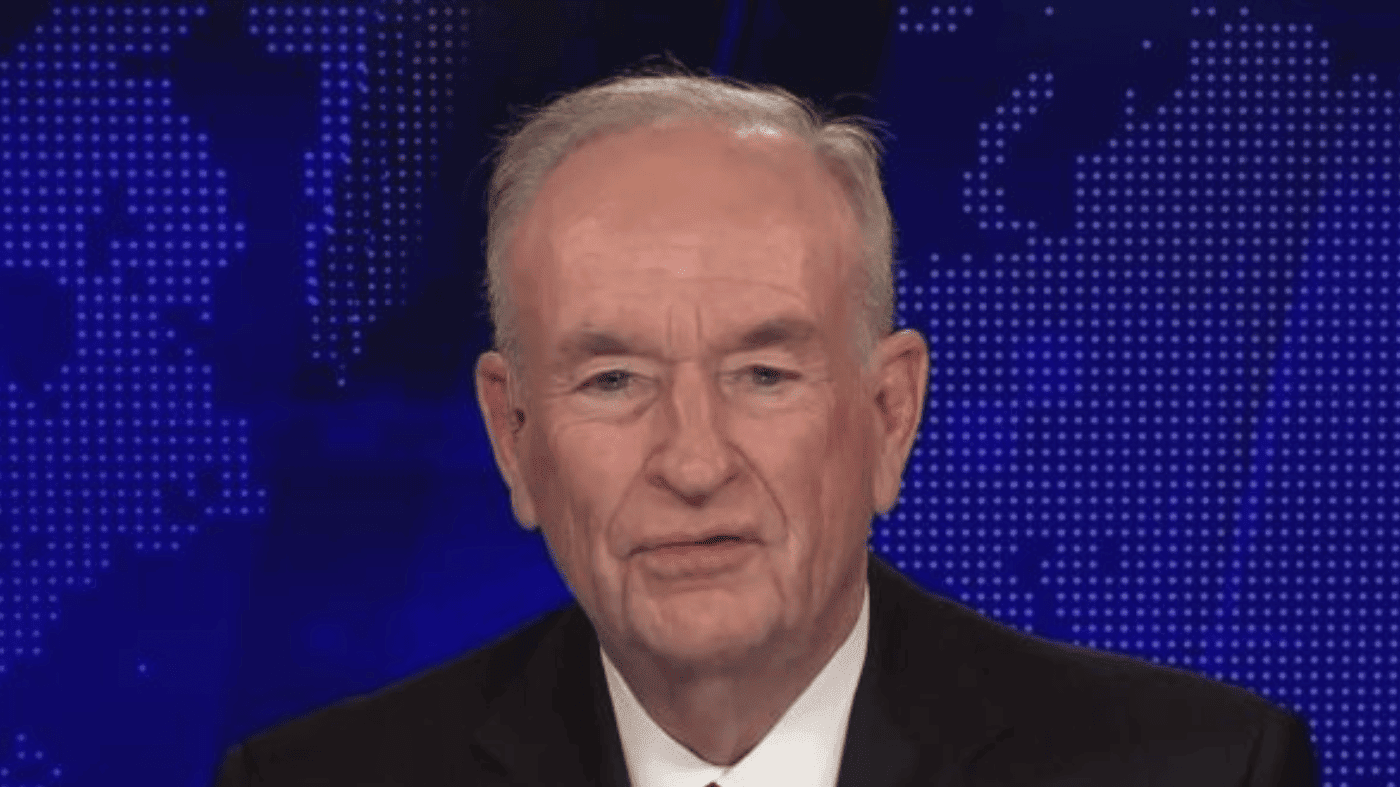
Political commentator Bill O'Reilly took aim at younger Americans Tuesday, accusing them of being fundamentally ignorant about personal finance and the mechanics of capitalism. Appearing on NewsNation's On Balance, O'Reilly told host Leland Vittert that a significant portion of the youth population is "absolutely clueless about how to make money, how to keep money, and about the capitalistic system."
O'Reilly's remarks come amid a backdrop of mounting financial strain on young adults. According to the Bureau of Labor Statistics, the median weekly earnings for Americans aged 20 to 24 stood at $810 in the first quarter of this year—translating to roughly $42,120 annually before taxes. For those aged 25 to 34, the median weekly figure was $1,140, or about $59,280 per year.
The commentary aligns with a broader political debate over economic mobility and the role of government in addressing inequality. A Harvard Kennedy School poll released earlier this year found that one in ten young Americans are struggling to meet basic needs, while 35 percent report getting by with little financial security. The same survey highlighted a sharp decline in optimism: in 2021, young people who expected to be better off than their parents outnumbered pessimists by 21 points; that gap has now shrunk to just three points.
During the interview, O'Reilly advised young people to pursue practical steps to build financial resources. "Go to community college, go to night school, become an Uber driver—do whatever you have to do to build up your resources," he said. He argued that those who are "smart and disciplined" with money can still succeed under capitalism, adding, "It's a matter of options. We live in a country where there's a tremendous amount of options. And if you're not doing well, you can do other things."
Critics might counter that structural barriers—such as student debt, stagnant wages, and rising housing costs—limit those options. The debate over economic opportunity has become a central theme in political races, including the Michigan Senate contest where candidates are clashing over corporate money and foreign policy issues. Meanwhile, concerns about artificial intelligence displacing jobs have fueled anxiety among Americans, with a recent poll showing that fears about AI now outpace enthusiasm by nearly three to one.
O'Reilly's critique also touches on broader cultural and political divides. The former Fox News host has long championed free-market principles, and his latest comments echo themes from his books and commentary. However, the data suggests that many young Americans are not merely uninformed but are struggling with real economic headwinds. The Harvard poll, conducted from March 26 to April 3 with 2,018 respondents aged 18 to 29, underscores a generation that feels increasingly left behind.
As the 2026 election cycle heats up, the economic anxieties of younger voters are likely to remain a flashpoint. Politicians on both sides are jostling to offer solutions, from debt forgiveness to job training programs. O'Reilly's blunt assessment, however, places the onus squarely on individual initiative—a message that resonates with some but may alienate others who see systemic problems at play.