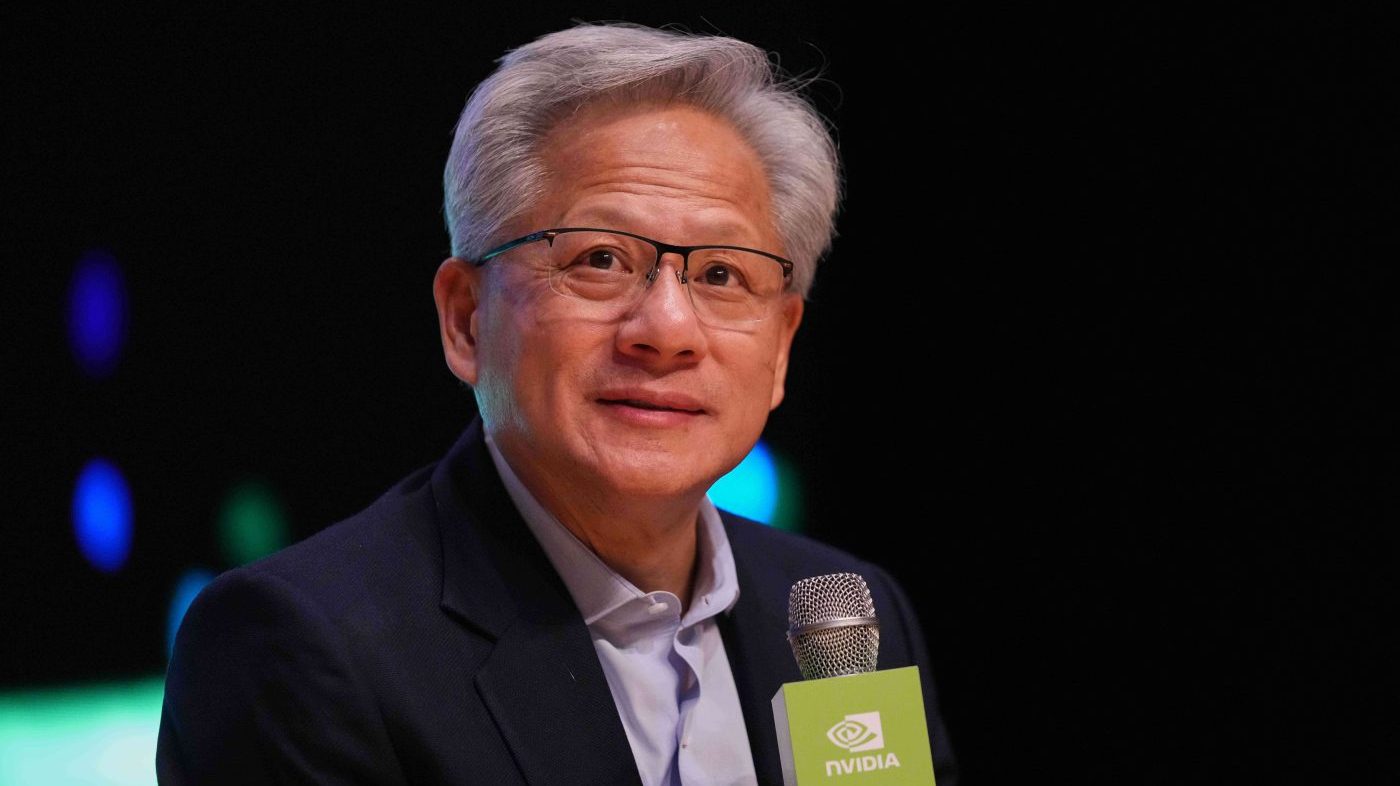
Nvidia CEO Jensen Huang is pushing for a fundamental shift in how society approaches artificial intelligence, arguing that the technology demands new social rules and broad public engagement. In an interview Tuesday with The Associated Press, Huang made a direct appeal: “We need to create new social norms. I would advocate that everybody use AI. Just go engage it.”
Huang framed AI as a great equalizer, claiming it “has closed the technology divide more so than any technology in history.” He drew a historical parallel to the automobile, noting that cars were once seen as a threat to children’s safety until crosswalks and sidewalks became standard. The implication is clear: society can adapt to AI, but only if it actively shapes the rules of engagement.
The Nvidia chief’s comments land at a moment of heightened anxiety about AI’s impact on jobs, the economy, and the environment. A recent Reuters/Ipsos survey found that more than half of Americans fear they or someone in their household could lose their job due to AI. That unease is feeding into political debates ahead of the midterms, with data centers—many powered by Nvidia’s chips—emerging as a flashpoint over energy use and local economic disruption.
Huang pushed back against the pessimism, urging skeptics to give AI a chance before passing judgment. “I think it could elevate your capability. What I would advocate for everybody to do is just go try it before you judge,” he said. He argued that AI’s benefits—from boosting tax revenue to creating new jobs—outweigh the risks, and that its accessibility via the internet and user-friendly design means anyone can use it for tasks like kitchen design or complex problem-solving.
The interview took place in Sherman, Texas, where Nvidia and the semiconductor manufacturer Coherent broke ground on an expanded factory. The facility will produce a laser designed to transmit data between chips, with the goal of cutting AI’s power consumption by up to 50 percent. That move underscores the tech industry’s scramble to address the environmental cost of AI, which has drawn scrutiny from lawmakers and regulators alike.
Huang’s push for broad AI adoption comes as Nvidia rolls out new chips for AI-powered PCs, a sign of the company’s bet that AI will become as ubiquitous as the smartphone. But the political landscape is shifting: some lawmakers are calling for tighter regulation, while others see AI as a competitive necessity. The debate over data centers, in particular, has become a proxy for broader concerns about automation and inequality.
For now, Huang is betting that direct engagement will win over skeptics. “Go engage it,” he repeated, framing AI not as a threat but as a tool that can elevate individual capability. Whether that message resonates with a wary electorate remains an open question, especially as the midterms approach and the politics of technology become increasingly charged.