District of Columbia Del. Eleanor Holmes Norton (D) and Sen. Chris Van Hollen (D-Md.) introduced legislation Tuesday that would permanently bar the construction of a fence around the U.S. Capitol complex, arguing that the grounds must remain open to the public.
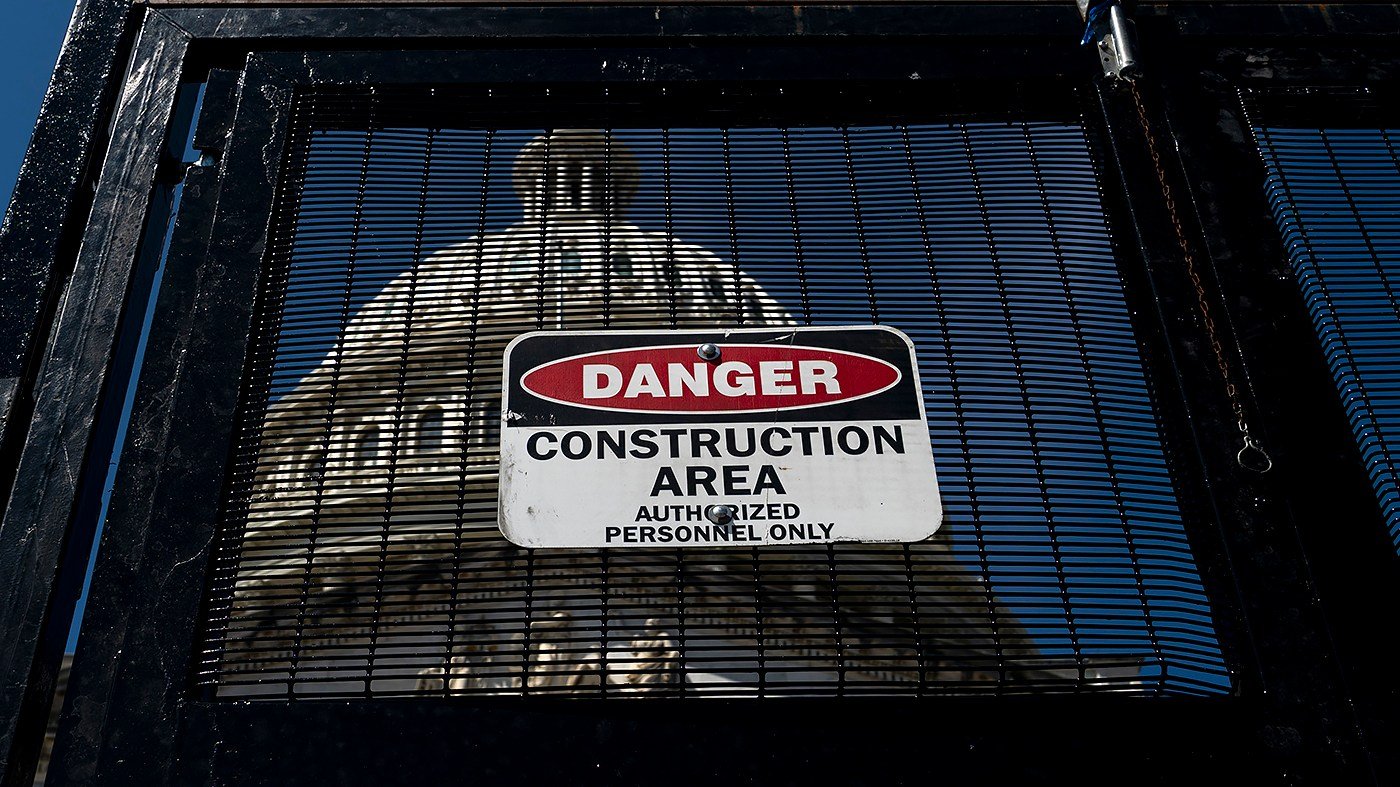
The measure, dubbed the “No Fencing at the United States Capitol Complex Act,” comes in response to the security fence erected after the Jan. 6, 2021, attack. That barrier stood for six months, and officials later weighed making it permanent as part of broader security upgrades.

Norton, who announced her retirement earlier this year, has consistently opposed a permanent fence, saying it would not meaningfully improve security and would only widen the gap between citizens and their government. “Permanent fencing would send an un-American message to the nation and the world, transforming the Capitol from a place that’s accessible to the people it serves into a fortress that locks them out,” she said in a statement.
She added that “the answer to security vulnerabilities is not a crude barrier that makes the Capitol look safer while doing little to address the threats.” Instead, Norton called for investments in intelligence, technology, training, and other measures that would protect the complex without sacrificing public access.
“At a time when trust in government is at historic lows, the last thing we should do is put another physical and psychological barrier between the people and the government that serves them,” Norton said. She also noted that the fence could disrupt nearby residential neighborhoods and businesses, as it did in the months after the attack, when streets were blocked and residents were forced to take alternate routes.
“Public property should be open to the public,” Norton said.
Van Hollen, who serves on the Senate Appropriations Committee, echoed that sentiment. “We can protect the Capitol without walling it off to the public,” he said. “This legislation would ensure this complex never becomes a fortress where the American people are left on the outside looking in.”
The push comes amid ongoing debates over security and public space, with some lawmakers and advocates raising concerns about the growing securitization of Capitol Hill. Norton’s proposal also aligns with broader efforts to keep government institutions accessible, a theme that has resonated in recent political fights over public participation.
If enacted, the bill would prevent the Capitol Police Board and other agencies from constructing any permanent fence or similar barrier around the complex, though it would not affect temporary measures used during emergencies. The legislation has drawn support from civil liberties groups and some local officials, but faces an uphill battle in a Congress where security concerns remain a top priority.
As the debate continues, Norton’s retirement means this could be one of her final major legislative efforts. Her stance reflects a longstanding belief that the Capitol should be a symbol of openness, not a gated compound. “The Capitol belongs to the people,” she said, “and it should remain that way.”