As Jewish communities across the United States observed Rosh Hashanah and prepare for Yom Kippur, the annual question of how to keep congregants safe has taken on renewed urgency. But for Ron Halber, CEO of the Jewish Community Relations Council of Greater Washington, the real question is why the federal government is failing to meet the moment.
Halber, who has led the advocacy group for 25 years, argues that the burden of protecting faith-based institutions has fallen disproportionately on the communities themselves. While synagogues, mosques, and churches have made security a top priority, the financial and emotional costs are unsustainable. "It is the government's responsibility to protect its citizens and provide us with the resources to do so," he said in a recent column.
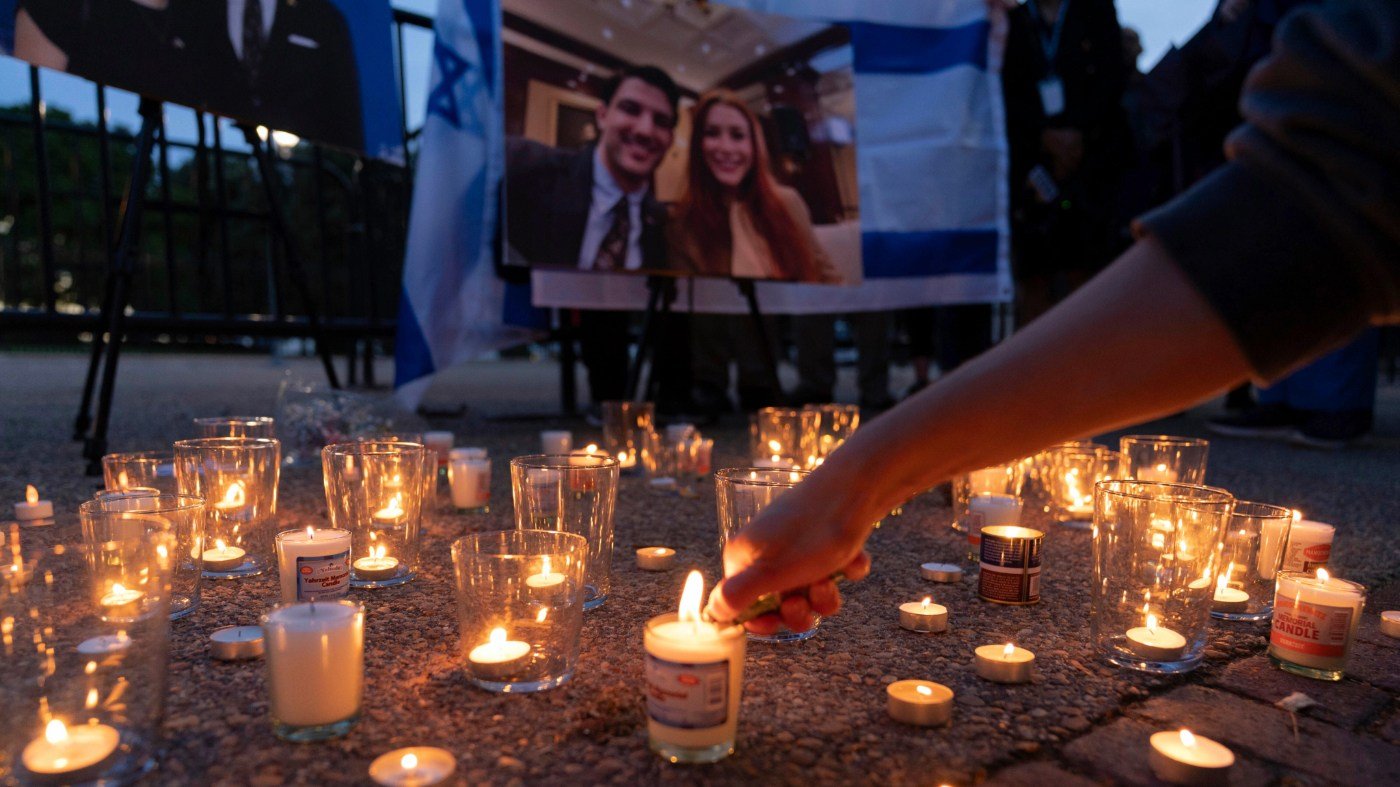
The statistics underscore the severity of the threat. A recent report found that 2025 was the deadliest year for antisemitic attacks globally in over three decades. In the United States, there were an average of 17 antisemitic incidents per day, including the murders of two Israeli embassy staffers outside the Capital Jewish Museum, just steps from the U.S. Capitol. Approximately 300 Jews were physically assaulted nationwide.
Despite Jews making up only 2% of the U.S. population, they were the target of 63% of religion-motivated hate crimes in 2025, according to FBI data. Security costs for Jewish communities now total an estimated $1 billion annually, with the average institution spending around $225,000 on protective measures.
The federal program designed to help—the Nonprofit Security Grant Program, established in 2004—is falling far short. Last year, nonprofits and religious institutions requested $1.3 billion, but Congress appropriated only $266 million. Of the 8,000 applicants, about 6,400 received no funding at all.
Halber called the funding gap "a moral failure by both parties." He noted that state and local programs, such as those in Maryland, Virginia, and Washington, D.C., have been more responsive. Within days of the terrorist attack on Temple Israel in Bloomfield, Michigan, Montgomery County, Maryland allocated $500,000 in emergency security funding, and D.C. added $120,000.
Advocates have pushed for Congress to increase the Nonprofit Security Grant Program to at least $1 billion annually—a request made just a day after a deadly shooting at a mosque in San Diego. But lawmakers have not acted, and level funding or incremental increases are insufficient.
Halber points out that this year Rosh Hashanah began on the evening of Sept. 11, exactly 25 years after the worst terrorist attack on American soil. The symbolism is not lost on him. "We gathered to remember those we lost and recommitted ourselves to doing our part to prevent future tragedies," he said. The question remains whether Washington will do its part.