For the first time in over two decades, the United States saw a significant decline in overdose fatalities in 2023, a trend that accelerated dramatically in 2024 with a 26% national drop. While the exact reasons for this turnaround are debated, the impact is undeniable: tens of thousands of lives saved, and countless families spared the grief of losing a loved one.
Yet, this public health victory masks a troubling reality. Data on nonfatal overdoses—instances where individuals survive a drug emergency—reveal that the crisis is far from resolved. In fact, nonfatal overdoses have reached record highs this summer, with more than 195 per 100,000 Americans in the year ending May, compared to 173 in 2022 when deaths peaked. That translates to nearly 635,000 documented nonfatal overdoses in a single year.

And these numbers only capture cases attended by paramedics. An estimated two in five nonfatal overdoses go unreported, suggesting the true annual figure likely exceeds one million.
Surviving an overdose does not mean escaping unscathed. Many victims suffer permanent disabilities due to oxygen deprivation during the event, leading to brain injuries similar to severe strokes. Impairments to speech, movement, and independent living are common long-term consequences.
Prevention must start long before an overdose occurs. The current drug supply is dangerously unpredictable, yet many Americans, especially young people, underestimate the risks. A recent survey found that 30% of high school students did not consider using fentanyl "once or twice" to be a great risk, and some were entirely unaware of the drug.
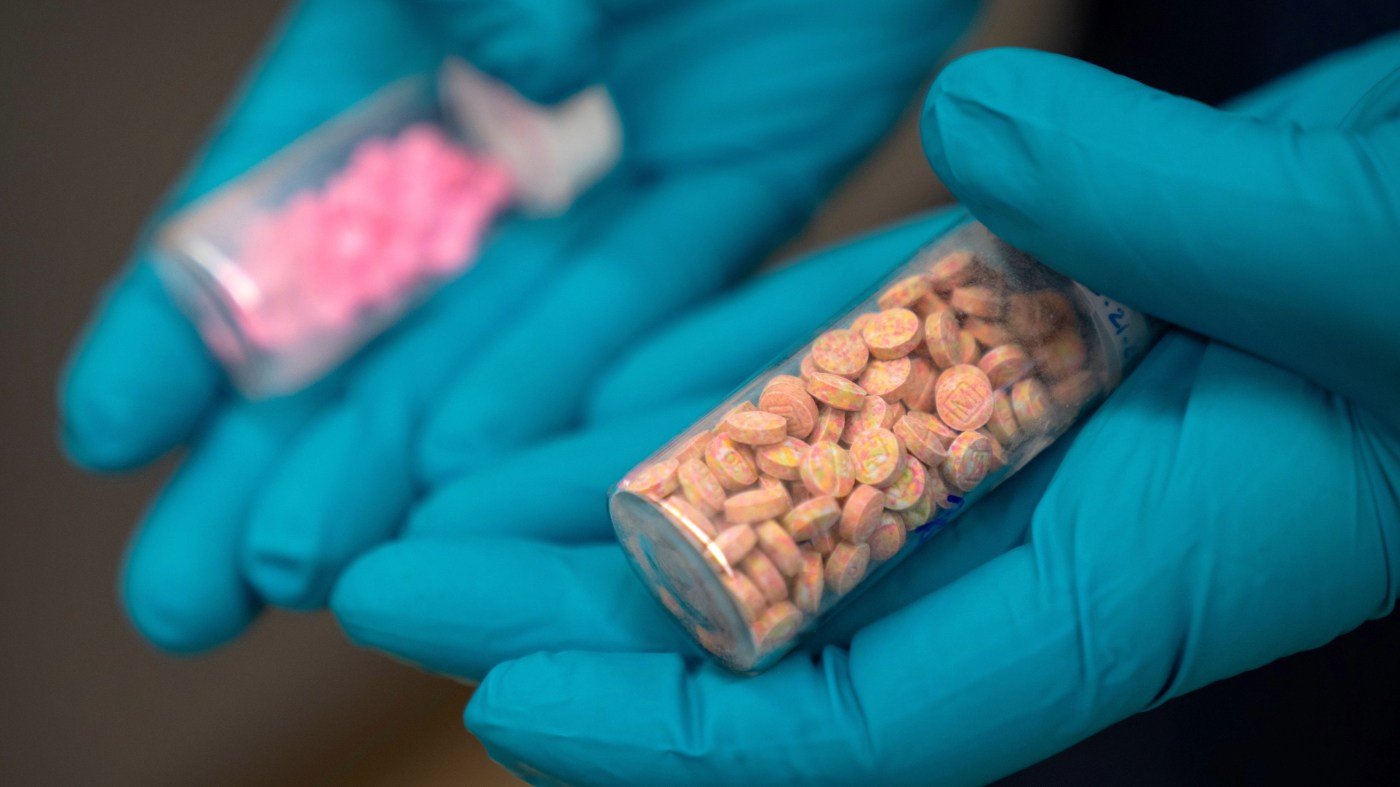
Accidental fentanyl consumption remains a major threat, particularly through counterfeit pills designed to mimic prescription medications like OxyContin, Xanax, or Adderall. Many overdose victims had no intention of taking fentanyl, leading advocates to describe these incidents as "poisonings." Among adults aged 18 to 25, cocaine is involved in one in five fentanyl deaths, more than any other substance.
This underscores the urgent need for standardized, evidence-based drug education in every state. Curricula should cover the dangers of today's drugs, the prevalence of fentanyl in other substances, risk reduction strategies, and how to recognize and respond to an overdose. While rescue measures like naloxone have proven effective, an over-reliance on them leaves us vulnerable to future drug threats that may not respond to opioid reversal agents.
Education, unlike medication, can be adapted quickly. Once established, educational infrastructure can be updated within a semester, whereas developing new reversal drugs takes years of research and approval. Past campaigns like D.A.R.E. and "Just Say No" demonstrated national reach but were largely ineffective. We must learn from their shortcomings to ensure every young American receives regular, effective prevention education.
The decline in overdose deaths is a hard-won victory worth celebrating. However, the surge in nonfatal overdoses is a stark reminder that the work is far from over. As we continue to expand access to naloxone and other rescue tools, we must equally invest in prevention. The best time to act was decades ago; the second-best time is now.