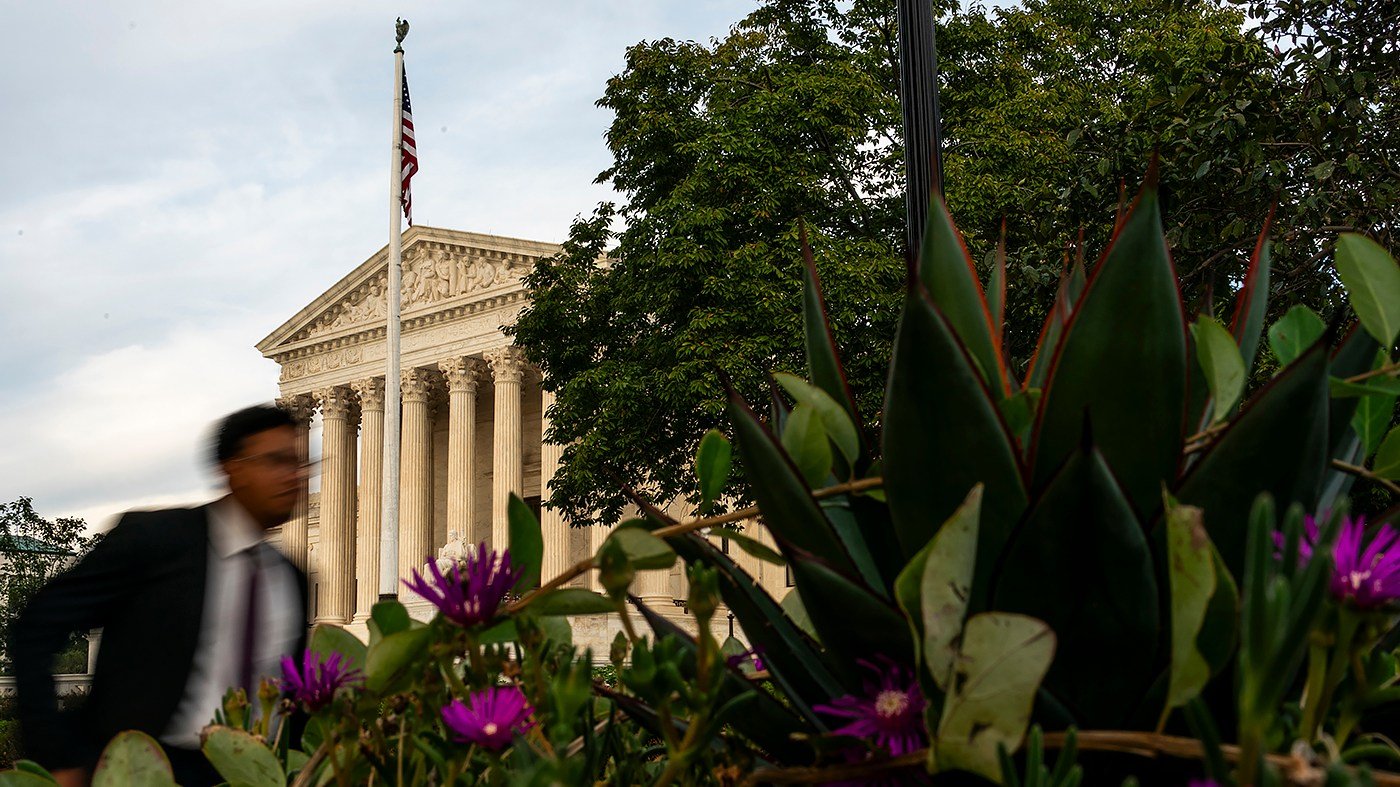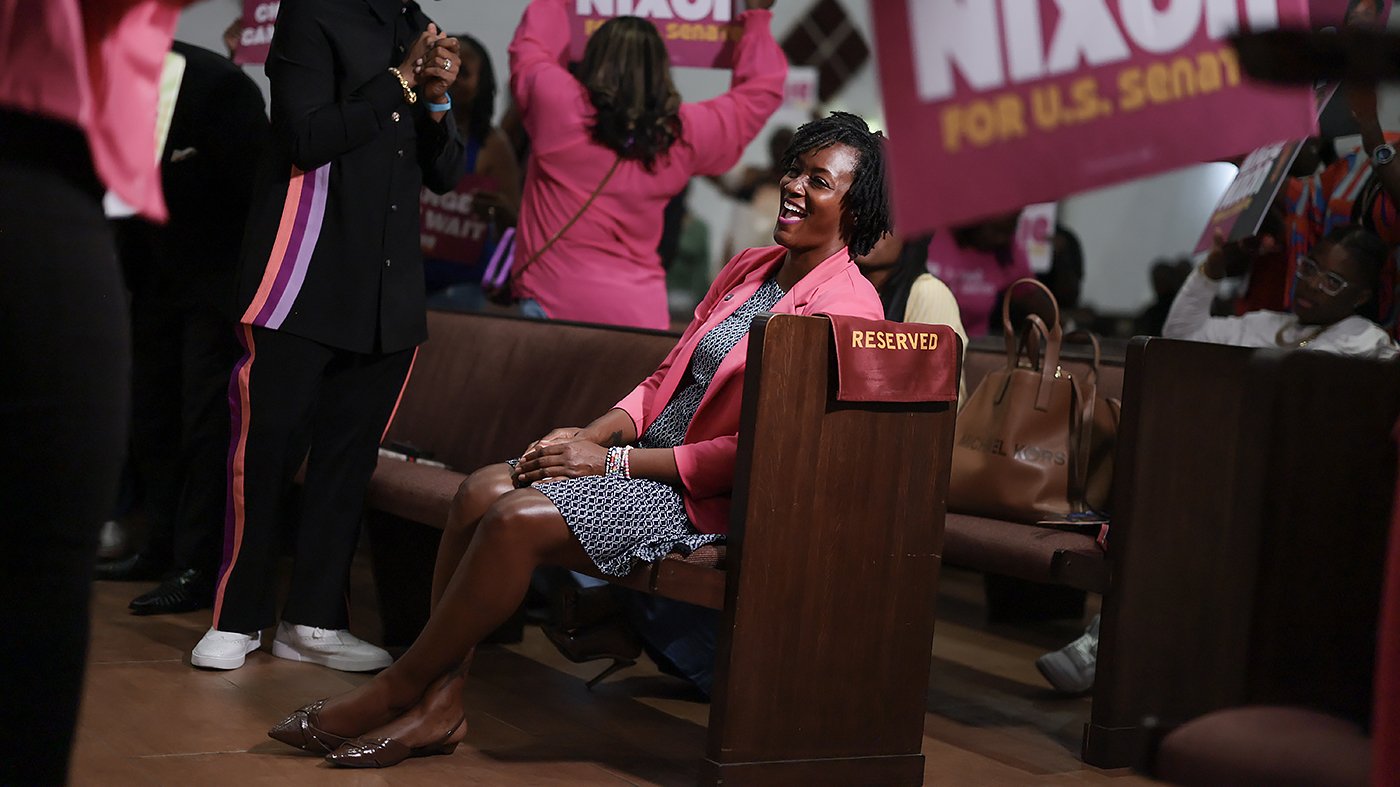
In a stunning upset, progressive state Rep. Angie Nixon defeated Alexander Vindman in Florida's Democratic Senate primary on Tuesday, handing the left its biggest victory of the cycle in a state long considered hostile to socialist-leaning candidates. Nixon, a self-described democratic socialist who recently joined the Democratic Socialists of America, overcame a 16-to-1 fundraising disadvantage to win by more than 12 points.
Nixon's campaign centered on economic populism, championing Medicare-for-All, free childcare, and a significant minimum wage increase—policies that poll well among Democrats and the broader electorate. Her victory signals a growing appetite for bold economic messaging within the party, even in a state where Republicans have dominated recent statewide races.
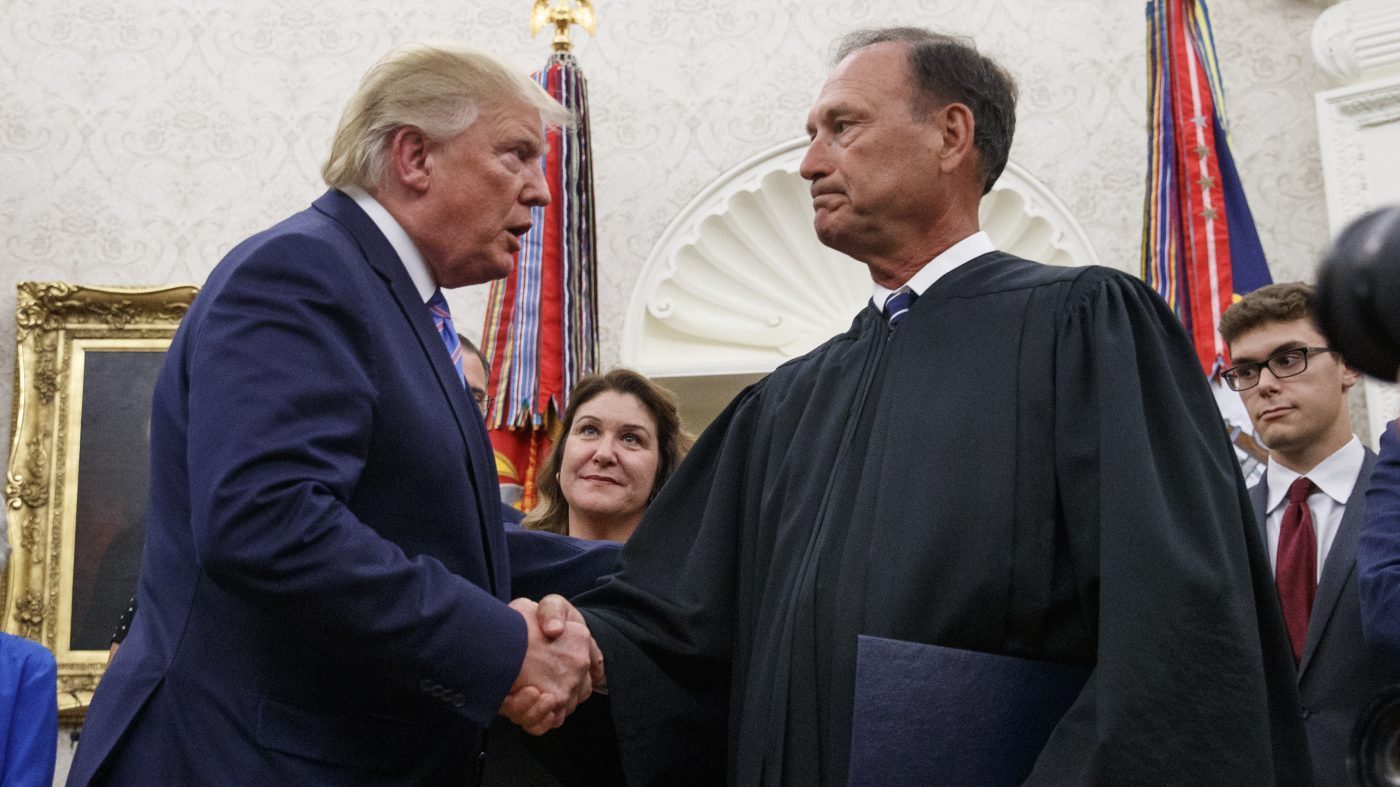
President Trump, who had seized on Vindman's defeat, mocked Nixon as a "Radical Left Lunatic" and predicted her "certain defeat" in November against Sen. Ashley Moody (R-Fla.). Moody, appointed by Gov. Ron DeSantis to replace Marco Rubio, is heavily favored in a state that hasn't backed a Democrat for president since Barack Obama and where GOP senators have won by double digits in recent cycles.
Democratic strategists acknowledge the steep climb ahead. Steve Schale, who directed Obama's 2008 Florida campaign, noted that either candidate would face a "tough path" to 50 percent. He argued that Nixon's ability to energize young progressives and Black voters—she performed strongly in low-income and majority-Black areas—could offset some disadvantages, but the fundamental partisan math remains daunting.
"The challenge for Angie is: Who are those voters that voted for Trump and voted for Rubio and are going to vote for Republican state legislators who are also going to vote for Angie Nixon?" Schale asked.
Nixon's backers point to her focus on economic issues as a bridge to disaffected voters. In a January TikTok video, she framed her campaign as a fight against "corrupt politicians in D.C. working for greedy corporations." That message has resonated in other progressive primary wins this year, from New York to Colorado.
Florida Democratic strategist Jackson McMillan, who predicted Nixon's rise, downplayed the DSA label, saying, "It gets a lot of clicks to say 'The rise of DSA,' but I think they are mostly just offering solutions that the Democrats refuse to commit to." McMillan, a self-described capitalist, cited frustration with healthcare costs as a driving force.
However, Nixon faces unique hurdles in Florida, home to large Cuban-American, Venezuelan-American, and Nicaraguan-American communities with deep antipathy toward Marxist regimes. Pollster Fernand Amandi, who is Cuban-American, called socialism "a non-starter" in the state, though he acknowledged Nixon's long organizing record and community trust may complicate easy categorization.
Nixon's victory also highlights a broader intraparty rift between progressives and moderates, as Trump gleefully revels in Vindman's defeat. The general election will test whether her economic message can overcome the state's Republican lean, with some arguing the race has already shifted to safely Republican territory.
As Nixon pivots to the fall campaign, she must broaden her appeal beyond the base that propelled her to victory. Her supporters insist she can replicate the model of past Florida ballot initiatives, such as the 2020 minimum wage hike that passed even as Trump carried the state. Whether that translates to a Senate seat remains the defining question of her candidacy.