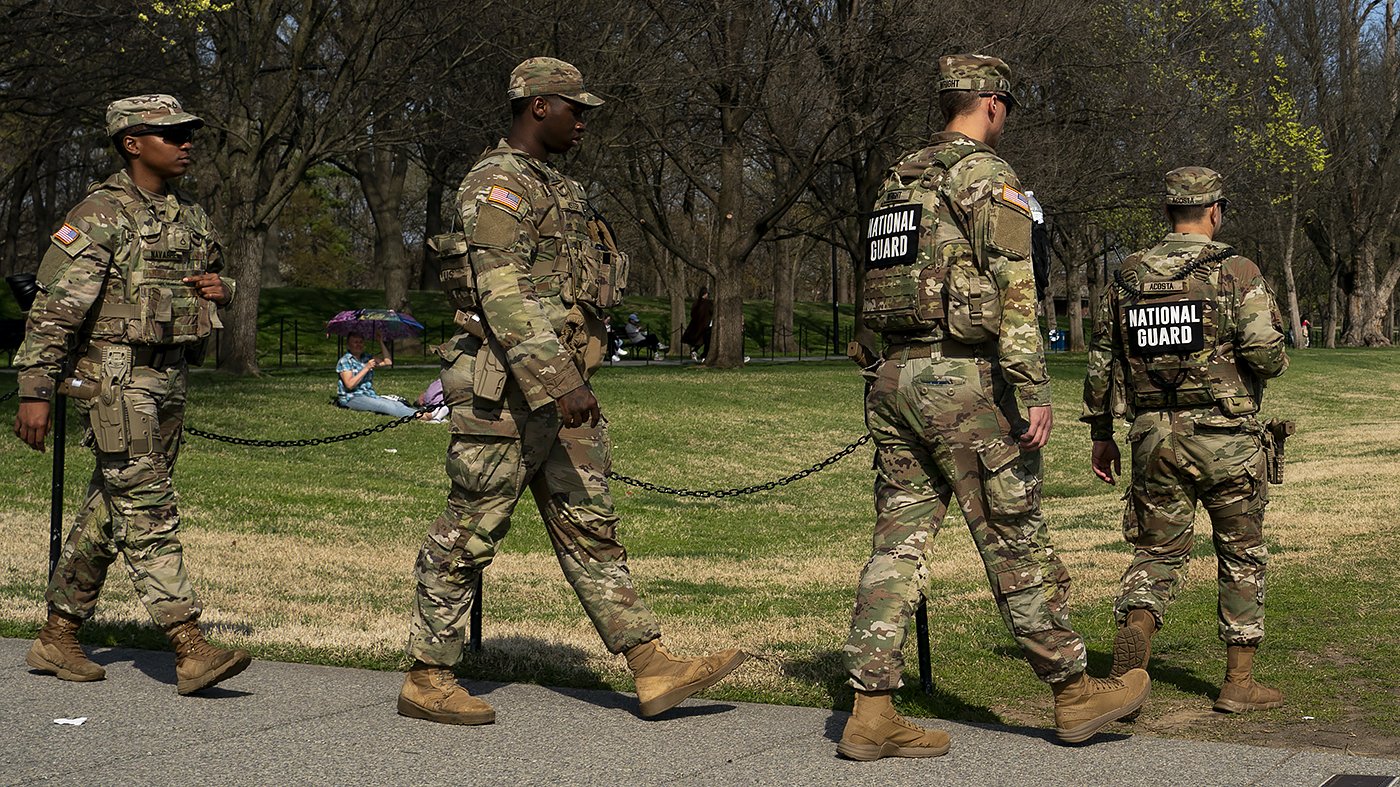
A fresh analysis from the Niskanen Center, a Washington-based policy research group, concludes that the nearly 10-month deployment of National Guard troops across the nation's capital did not lower violent crime rates. The study, released Tuesday, offers a mixed assessment of the federal intervention that began last summer under a presidential executive order.
While the Guard's presence correlated with a 24% decline in opportunistic property crimes—such as theft and vandalism in tourist-heavy areas—researchers argue it was an expensive and misdirected response to the city's violent crime problem. “The National Guard deployment was not a waste. It produced a significant reduction in property crime, and it did so quickly, which matters when residents and businesses are demanding visible action,” the report states. “But it was an expensive tool deployed in the wrong places for the wrong types of crime, at a daily cost per person 60 percent higher than an MPD officer, with a hidden productivity cost to the civilian economy.”

The Guard troops, operating under the D.C. Safe and Beautiful Task Force, were primarily stationed along tourist corridors, transit hubs like Union Station, federal buildings, monuments, parks, and public spaces—exactly where property crime is most visible. However, they lacked arrest powers and were not deployed to high-crime, high-poverty neighborhoods where violent offenses are concentrated. “The Guard’s footprint was simply misaligned with the geography of violence,” the study notes.
Violent crimes, including robberies, were already on a downward trajectory before the Guard arrived, and the deployment did not alter that trend. The report also found that the Guard did not free up the Metropolitan Police Department to redeploy officers to high-crime areas; “the footprint of MPD policing was essentially unchanged.”
Cost comparisons are stark. The Niskanen Center calculates that a National Guard member costs approximately $607 per day, compared to $384 per day for a D.C. police officer. That figure does not include additional expenses like lodging and return transportation for Guard members, nor the economic displacement of civilians taken from their jobs. “The $185 million spent on the Guard over five months could instead fund more than 1,300 additional officer-years or, equivalently, more than 3,100 officers for five months,” the study says.
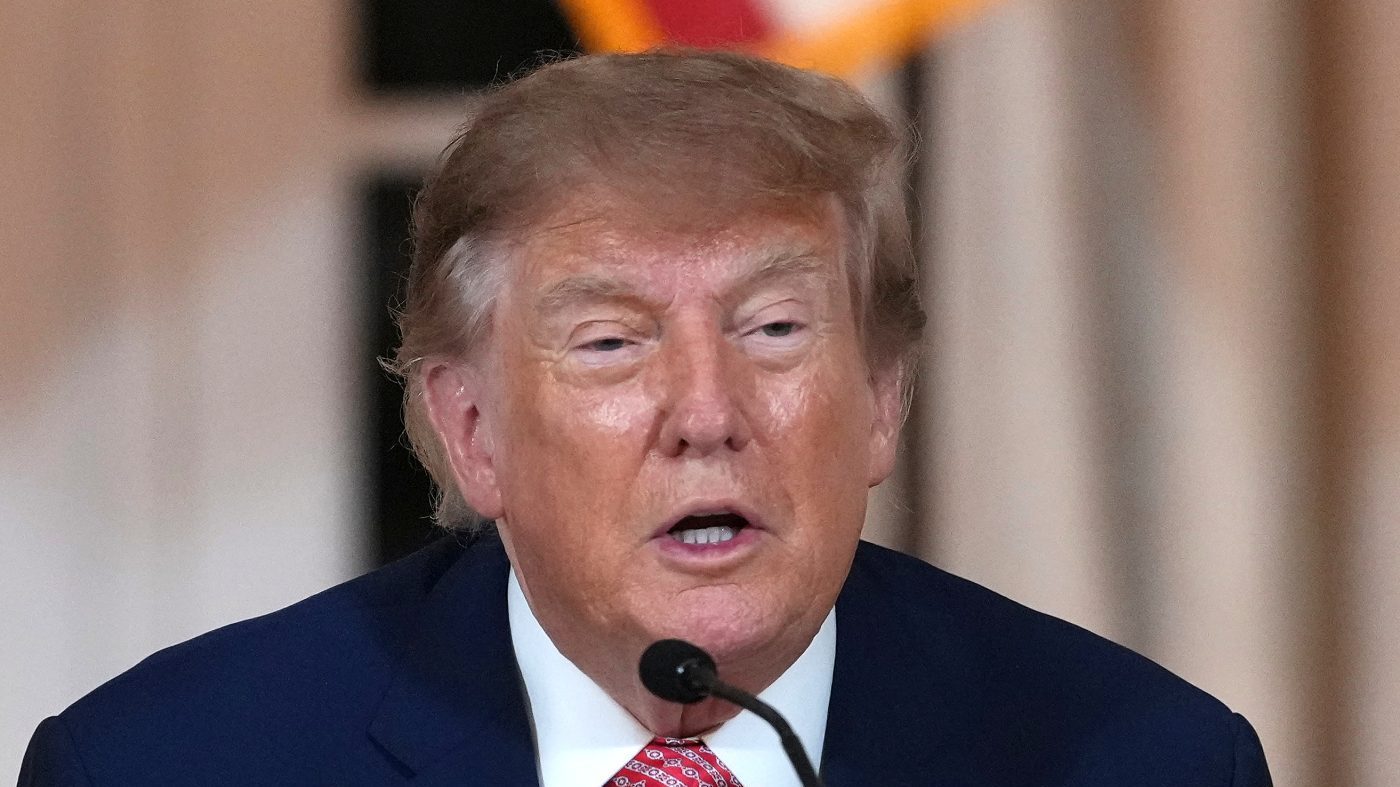
The findings come as the Trump administration announced plans last month to deploy an additional 1,500 National Guard troops to Washington ahead of the nation’s 250th birthday celebration, pushing the total to 5,000. This move has reignited debate over the efficacy and cost of military involvement in domestic law enforcement—a topic that also surfaces in discussions about federal responses to other crises, such as the New Mexico Epstein probe and its implications for federal oversight.
Critics argue that the Guard deployment, while politically popular for showing action, is a blunt instrument that fails to address root causes of violence. The study’s authors suggest that investing in community-based policing and targeted interventions in high-crime neighborhoods would yield better results. Meanwhile, supporters of the deployment point to the property crime reduction as evidence of its value, especially in a city where public safety remains a top concern for residents and tourists alike.
The broader context of federal intervention in local policing continues to be tested, as seen in other high-profile cases like the Loomer's FBI demand after a mosque shooting, which highlights the complexities of balancing federal resources with local needs. As Washington prepares for a massive influx of troops for the 250th anniversary, the Niskanen study serves as a cautionary tale about the limits of military force in civilian crime fighting.