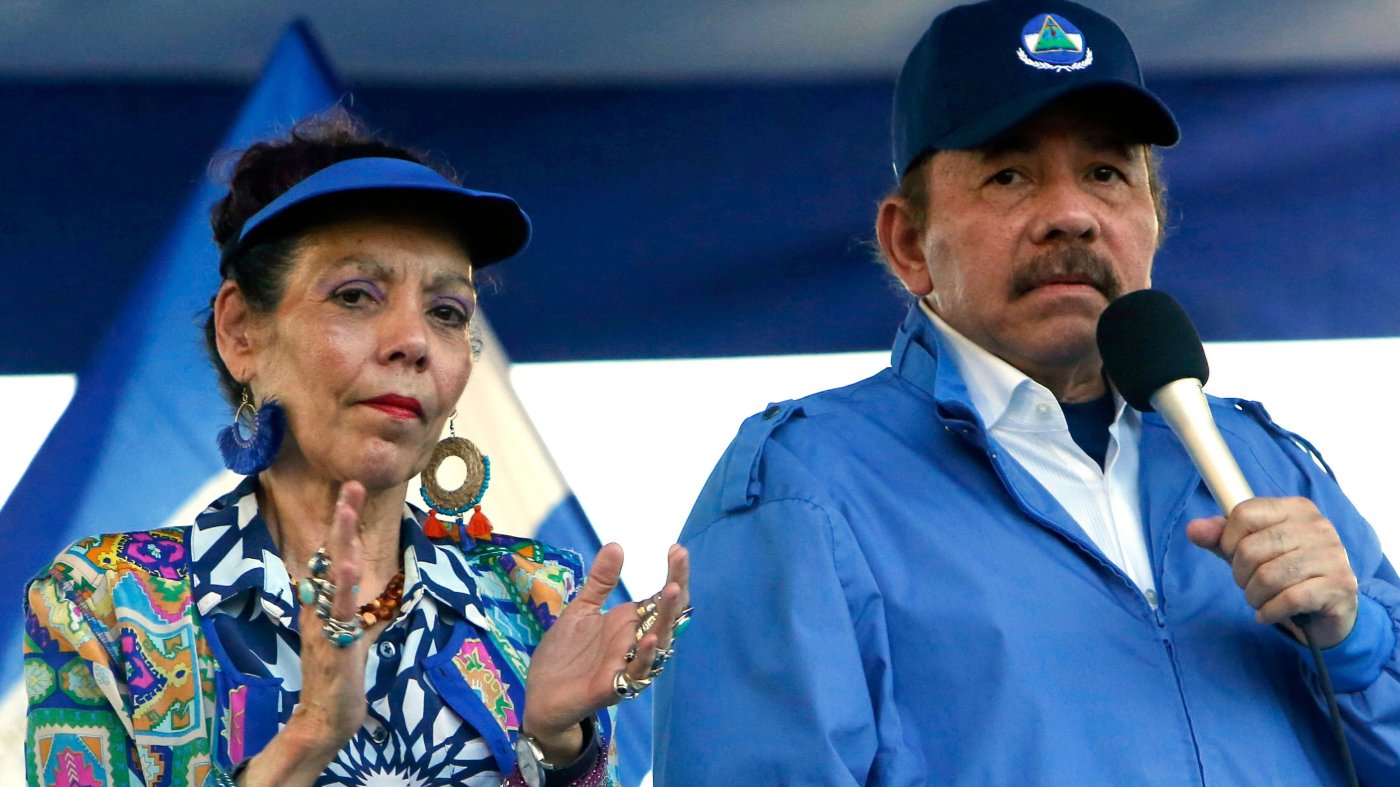
Nicaraguan President Daniel Ortega has taken a decisive step toward consolidating a family-run dictatorship, declaring the end of presidential elections and aligning his regime more closely with North Korea. The announcement, made on July 19 before a crowd of supporters clad in white shirts in North Korean fashion, marks a stark departure from any pretense of democracy.
Ortega's regime has long maintained ties with Pyongyang, a relationship that dates back over five decades. In 1971, Sandinista guerrilla Plutarco Hernandez underwent military training in North Korea, part of a broader effort to implant a totalitarian Marxist model in Central America. After the Sandinistas seized power in 1979, North Korea provided weapons, patrol boats, and training, albeit on a limited scale.
The bond deepened in 1984 when General Humberto Ortega traveled to Pyongyang to finalize an arms purchase, even as Nicaragua faced severe economic hardship. The regime blamed the United States for its woes, but critics point to rampant corruption and wasteful military spending as the true causes. In 1986, Ortega and his wife, Rosario Murillo, visited North Korea, meeting with Kim Il Sung, who offered political support to strengthen the repressive socialist model.
Ortega was reportedly impressed by the North Korean system—the cult of personality, the absence of free elections, and the lack of political opposition. However, it took years for Nicaragua to fully replicate that model. After losing the 1990 elections, the Sandinistas returned to power in 2006 and began dismantling democratic institutions. The North Korean embassy in Managua had closed in 1994, and Ortega initially hesitated to revive ties, wary of openly confronting Washington.
The 2018 protests against Ortega's rule changed everything. In response, his regime imprisoned, killed, or exiled political opponents. Facing international condemnation, Ortega turned to old allies: Russia, China, and North Korea. In July, he declared, "There won't be any more elections," adding that "parties put in place by the Yankees" would never return to power.
U.S. Secretary of State Marco Rubio responded forcefully, stating that the Trump administration and the global community "will not stand by as the Murillo-Ortega dictatorship deepens repression at home and manufactures instability that threatens U.S. national security." Rubio called Ortega's move "proof of his cowardice and fear of the Nicaraguan people's will."
Despite the rhetoric, Ortega benefits from a surprising degree of financial stability. Last year, Nicaragua received $6.2 billion in remittances from the United States. The regime also enjoys a free trade agreement with the U.S. and holds membership in the International Monetary Fund, the World Bank, and the Inter-American Development Bank—even as it imprisons bishops and pastors.
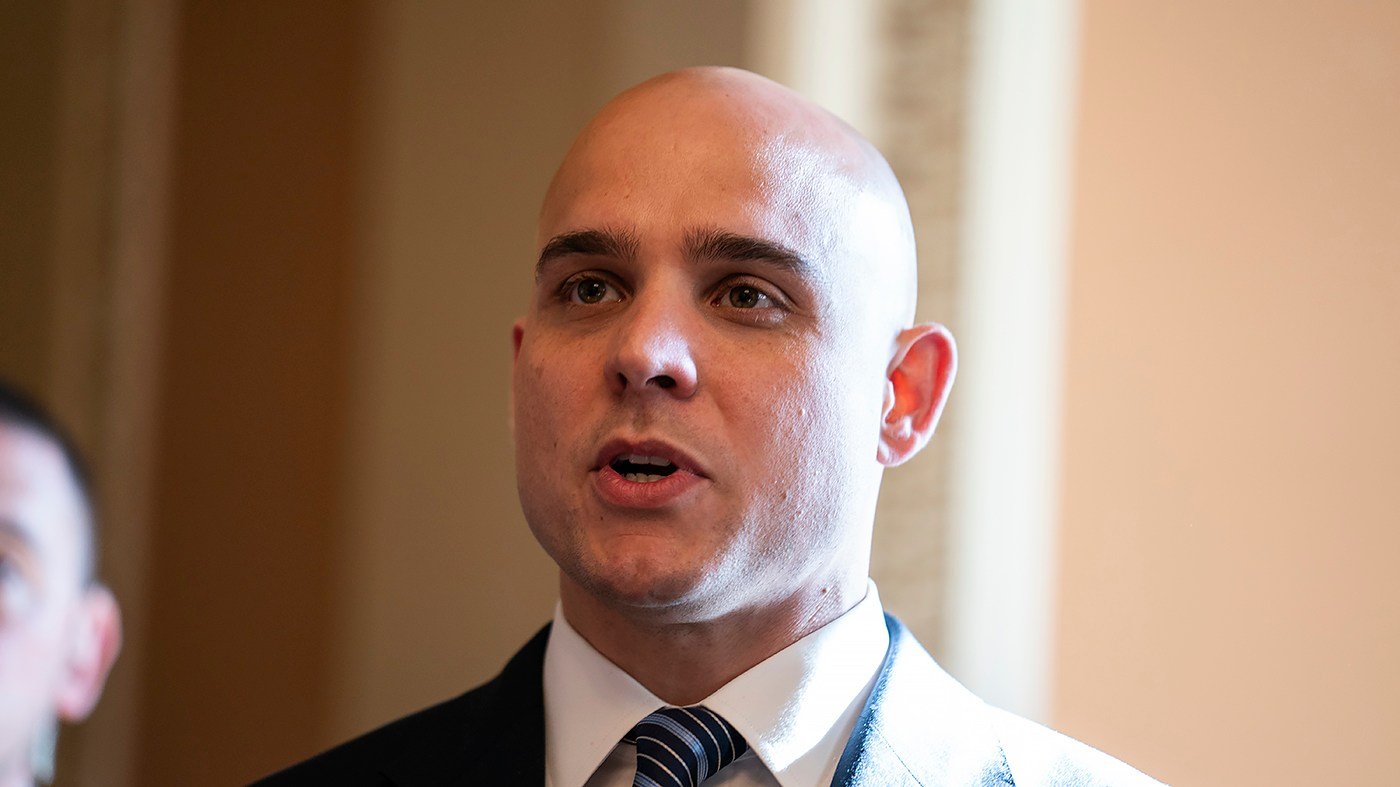
Arturo McFields, a former Nicaraguan ambassador to the Organization of American States now in exile, warns that Nicaragua represents "a metastatic cancer" that could spread to other countries in the Americas, weakening U.S. influence and empowering China and North Korea. He argues that traditional diplomatic methods have failed with dictators like Ortega and Venezuela's Nicolas Maduro, calling for a "proportional resolve" and even "Absolute Resolve" to protect hemispheric security.
The message from Washington must be clear: abolishing elections and crowning oneself king will not be tolerated. As the new Monroe Doctrine reshapes Latin America's stance on China, Ortega's defiance poses a direct challenge to U.S. influence. Ortega's declaration cementing one-party rule is a stark reminder that the region's democratic gains remain fragile.