A fresh survey from Emerson College and The Hill indicates that Democrats have an eight-point advantage over Republicans in the generic congressional ballot, a sign of the political headwinds facing the GOP as the midterm elections approach.
When asked which party they would support if the election were held today, 50.7% of likely voters chose the Democratic candidate, while 43% backed the Republican. The remaining 6.3% were undecided, according to the poll conducted August 16-17 among 1,000 likely voters, with a credibility interval of plus or minus 3 percentage points.
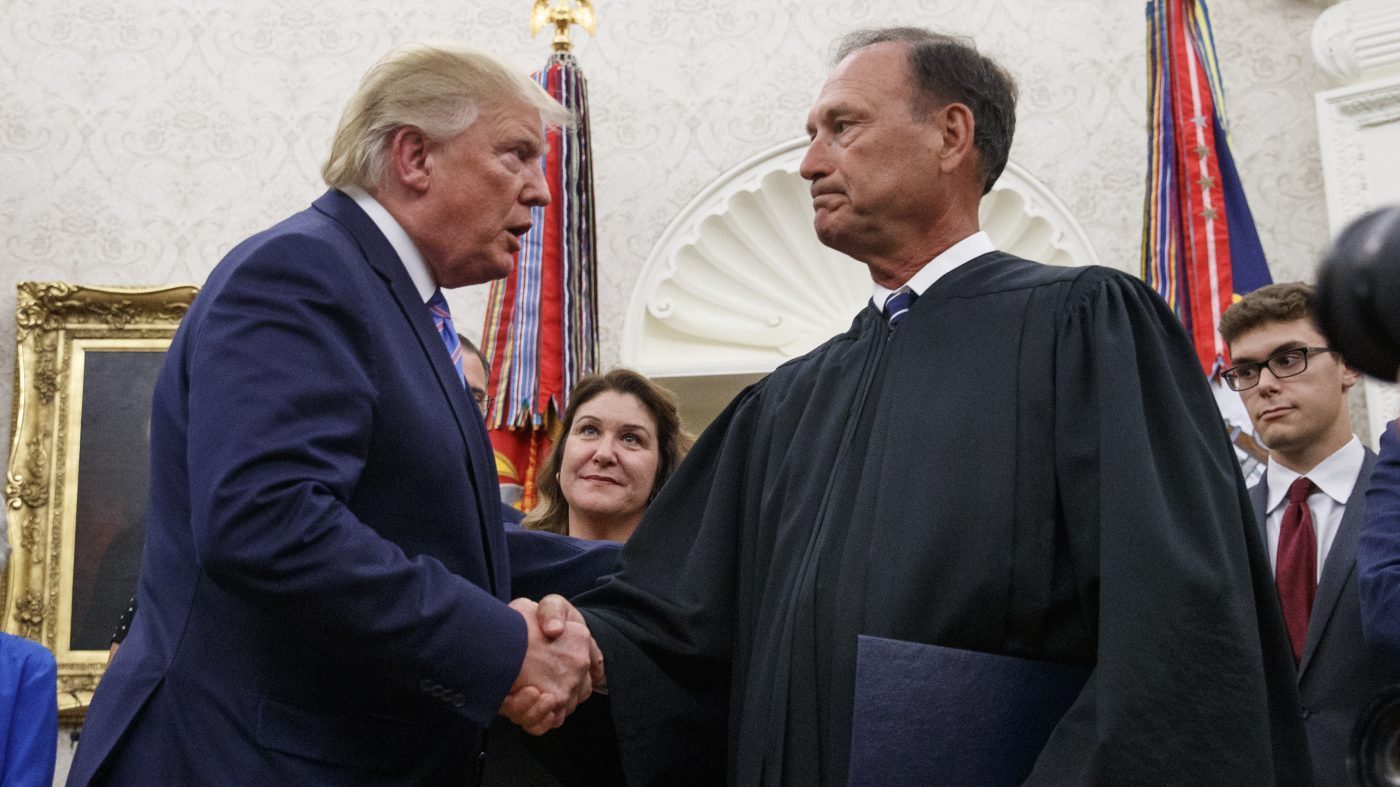
The numbers come at a challenging time for Republicans, who are contending with President Trump's sagging approval ratings, an unpopular military confrontation with Iran, and growing economic anxieties among voters. According to Decision Desk HQ's polling average, Trump's approval stood at 40.4% on Wednesday afternoon, with 56.3% disapproving.
Former House Speaker Kevin McCarthy (R-Calif.) publicly voiced concern about his party's ability to retain control of Congress in the upcoming elections. In an interview with Fox News's Dana Perino, McCarthy said, “I'm worried that I'm not seeing the clear message from Republicans, what is the plan of why you should stay in the majority?”
McCarthy pressed his party to articulate a concrete economic agenda and point to recent legislative victories that would justify keeping them in power. He also highlighted troubling signals from some state-level races, suggesting that the GOP's message is not resonating with voters across the board.
This poll aligns with other recent data showing Democratic strength on economic issues, as inflation remains a top concern for many Americans. The party has also been working to rebuild its outreach to faith communities, a move that could help in key battleground districts.
Republicans are also facing an internal debate over messaging and strategy, with some warning about the influence of progressive factions within the Democratic Party. However, the current polling suggests that such concerns have not yet shifted the overall electoral landscape.
With the midterms just months away, both parties are ramping up their campaigns. Democrats are hoping to capitalize on the President's unpopularity, while Republicans are counting on historical trends that often favor the opposition party in the sixth year of a presidency. The Emerson College/The Hill survey, however, offers a stark reminder of the uphill battle the GOP faces.
As the political landscape evolves, the coming weeks will be critical for both parties to define their narratives and rally their bases. The poll's margin of error means the race could tighten, but for now, Democrats hold a clear advantage in this key indicator of national sentiment.