Freshly unearthed FBI records from the investigation into Thomas Matthew Crooks, the man who opened fire at a Trump rally in July 2024, provide the most detailed picture yet of his firearms preparation and the stark disconnect between his escalating shooting hobby and the way acquaintances perceived him.
The documents, released in response to a broad media records request, trace Crooks' movements in the weeks before the attack and outline the massive investigative effort, which included thousands of tips and hundreds of interviews as authorities sought to establish a motive.
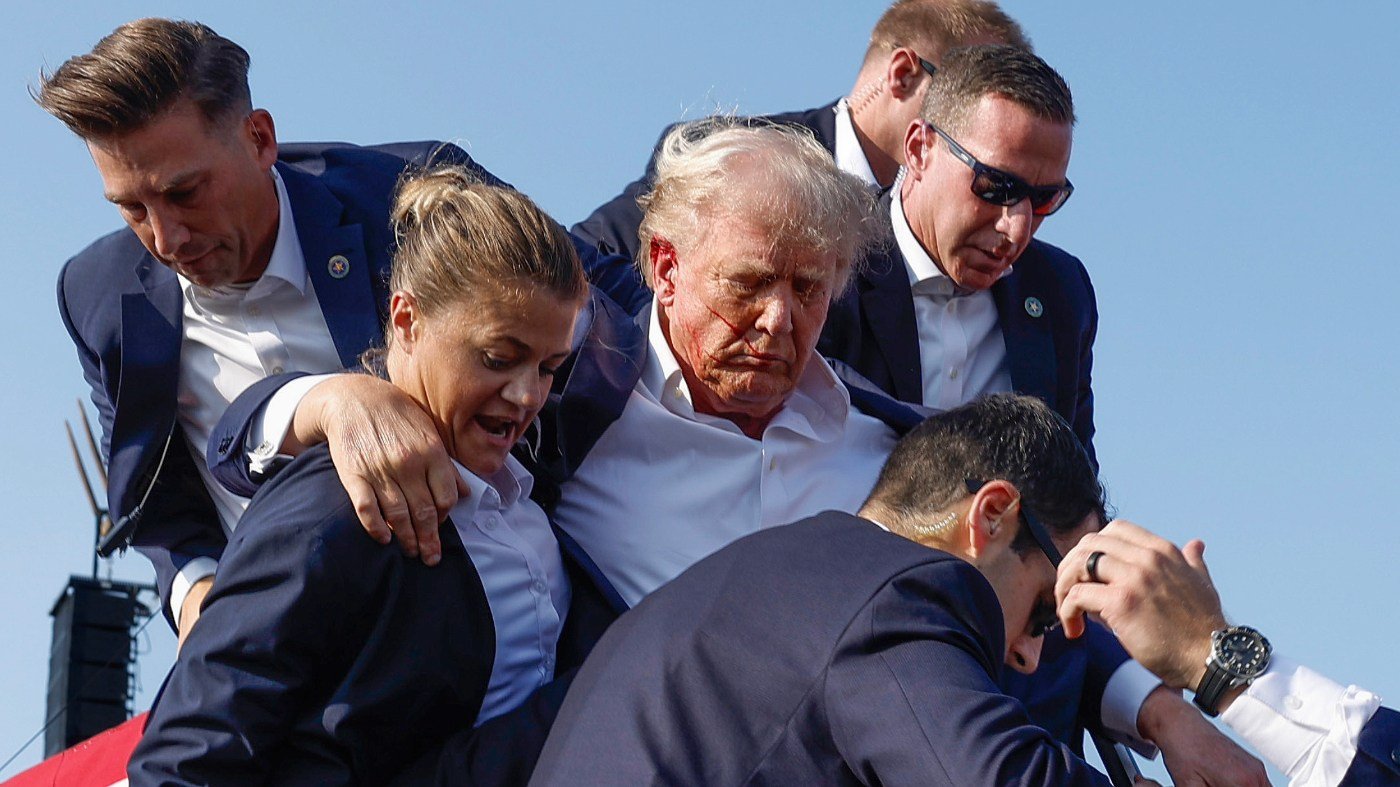
According to the files, Crooks registered for the Butler, Pennsylvania rally on July 6 and requested a single ticket. On the day of the event, he fired multiple rounds at then-candidate Donald Trump, grazing his ear, killing firefighter Corey Comperatore, and wounding two others before being neutralized by a Secret Service sniper.
The FBI has stated that it found no definitive motive and no evidence that Crooks acted with any accomplices. In the month preceding the attack, he conducted more than 60 online searches related to both Trump and President Biden, as previously reported.
Formal Training and Range Practice
The new records reveal that Crooks invested in professional instruction, taking three paid firearms courses in the seven weeks before the shooting: a basic carbine course on May 25, a basic handgun course on June 13, and an intermediate handgun course on June 22.
He was a regular at the Clairton Sportsmen's Club, visiting about once a week with a rifle and shotgun. Witnesses told investigators that shooting had become his "new hobby," and he frequently practiced on targets up to 100 yards away. One classmate said they were "very impressed" with his marksmanship, while an instructor described him as "quiet, stayed to himself, loner, and non-aggressive."
His interest grew more sophisticated, as he purchased ammunition and tactical gear online, including a chest rig and ceramic plates, and developed an interest in rapid-action range-transition shooting.
No Warning Signs, Conflicting Political Views
Despite his growing proficiency with firearms, those who knew Crooks described no alarming indicators. A friend said he "liked to shoot rifles" but never expressed a desire to harm anyone, and had no known mental health or substance abuse issues. Another close contact told investigators he "never expressed political views or an interest in explosives," and his behavior in the days before the attack seemed normal.
A coworker remembered him as "a pleasant individual" who "excelled in the course." For a final project, Crooks designed and 3D-printed a Braille Rubik's Cube for the blind, and the coworker said they "never had any negative interaction with Crooks." He was repeatedly described as an exceptional student with high SAT scores, straight As, and perfect attendance. One person said he was "quiet," "helpful and friendly," and had never done anything to suggest "there was an ounce of violence in him."
Others painted a picture of an isolated student who was bullied and had few disciplinary issues. His political leanings, however, were less clear. One witness said Crooks called himself a Republican and opposed "woke" ideology but did not believe the 2020 election was rigged. A relative also said he did not subscribe to election fraud claims. Another person recalled him removing "Keep Trump out of office" signs and referring to "commies." Yet none of the accounts describe him as intensely political.
The newly released files underscore the challenge investigators faced in piecing together a motive, as they continue to examine every aspect of Crooks' life. The attack has also intensified scrutiny on Secret Service protocols and the agency's handling of the rally, with lawmakers pressing for answers on security failures. As the investigation continues, the public record offers a chilling portrait of a young man whose violent actions were preceded by a disciplined, methodical preparation that went largely unnoticed by those around him.