The AI safety community is optimistic after the Democrats' midterm sweep brought a wave of candidates to Washington who campaigned on stricter technology regulations. After years of gridlock in Congress, advocates see this new class of House and Senate members as a potential turning point for AI oversight.
While AI wasn't the top issue for most voters, it played a more prominent role than in previous cycles, with candidates proposing measures to address safety concerns, job displacement, and data center impacts. Now, several of those candidates are heading to Capitol Hill, offering what supporters describe as a “reset” on AI policy.
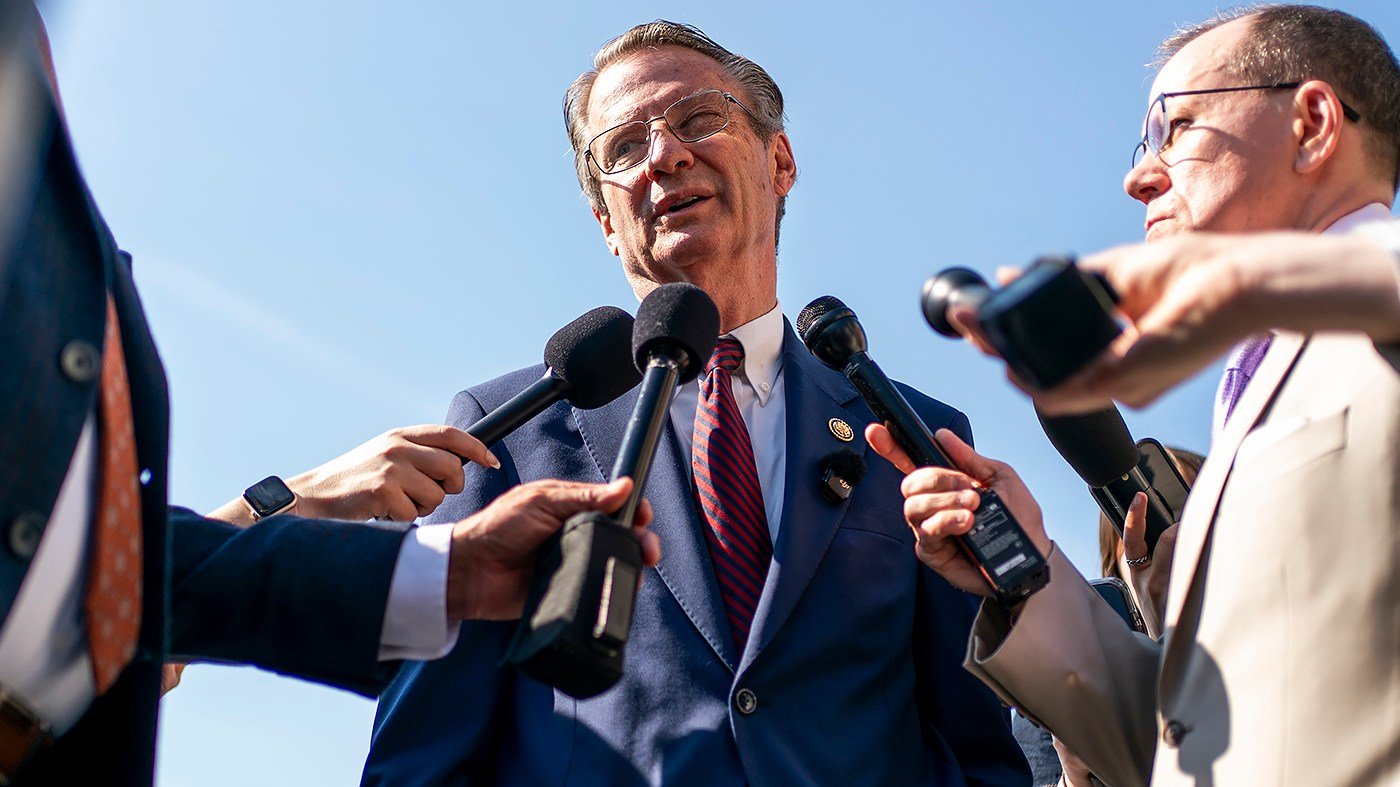
“It’s an opportunity for people on both sides of the aisle to reconsider how they want to approach this topic of AI. There is now this feeling of great possibility,” said Connor Leahy, an AI researcher who leads the nonprofit Control AI, which advocates for halting superintelligence development. Alexander McCoy, a Democratic strategist focused on AI safety, called the outcome “an incredibly hopeful outcome for humanity.”
Key New Voices on AI
Scott Wiener (D-Calif.) is perhaps the most prominent newcomer, taking the Senate seat formerly held by Nancy Pelosi. Wiener, who authored California’s pioneering S.B. 1047 and the subsequent S.B. 53 transparency law, has vowed to bring similar rigor to federal legislation. His agenda includes AI “kill switches,” safety standards, liability rules, and international partnerships, as well as expanded unemployment benefits and tax policies to distribute AI’s gains. “Congress hasn’t acted. I did. I took on Big Tech,” Wiener said in a campaign ad.
Manny Rutinel (D-Colo.), who unseated Republican Gabe Evans, is another safety favorite. He received backing from AI safety PACs and sponsored Colorado’s first-in-the-nation law requiring “high-risk” AI developers to avoid algorithmic discrimination. Rutinel has framed the issue in populist terms, accusing AI firms of “putting profits ahead of people,” and supports whistleblower protections, mandatory incident reporting, and independent testing.
Abdul El-Sayed (D-Mich.) has taken an even more aggressive stance, becoming the first politician to call for public ownership of frontier AI companies. His platform proposes requiring AI labs to be chartered as public benefit corporations, creating an automation levy, and establishing a federal agency to test models before deployment. “AI isn’t just any other tool. Even today, it holds the capacity to destroy our jobs, deny our healthcare and surveil us,” he said on the trail. “That power can’t sit solely within the control of a few billionaires.”
Micah Lasher (D-N.Y.), a state assembly member heading to the House, has also prioritized AI safety, though details of his platform remain limited. His presence adds another pro-regulation voice to the chamber.
The influx of these lawmakers comes as Democrats prepare to leverage their new majorities. The party’s midterm sweep has set the stage for leadership clashes and potential impeachment threats, but AI policy is emerging as a key legislative focus. With control of both chambers, Democrats are expected to push for hearings and bills that could reshape the industry.
Proponents note that the new Congress offers a chance to test whether reform can actually be enacted. However, any ambitious AI legislation will likely face opposition from industry groups and some Republicans, who favor lighter-touch approaches. The political dynamics are further complicated by Trump’s hints at a cabinet shake-up and ongoing partisan battles over other priorities.
For AI safety advocates, the new class represents a significant shift. “It’s an incredibly hopeful outcome for humanity,” McCoy reiterated. Whether that hope translates into law remains to be seen, but the early signals are unmistakable.