The National Basketball Association has taken a decisive step toward its first expansion in nearly two decades, with its board of governors voting Wednesday to formally explore establishing new franchises in Seattle and Las Vegas. The authorization directs league officials to begin a comprehensive evaluation of both markets, including potential ownership groups, arena suitability, and the broader economic ramifications of adding teams.
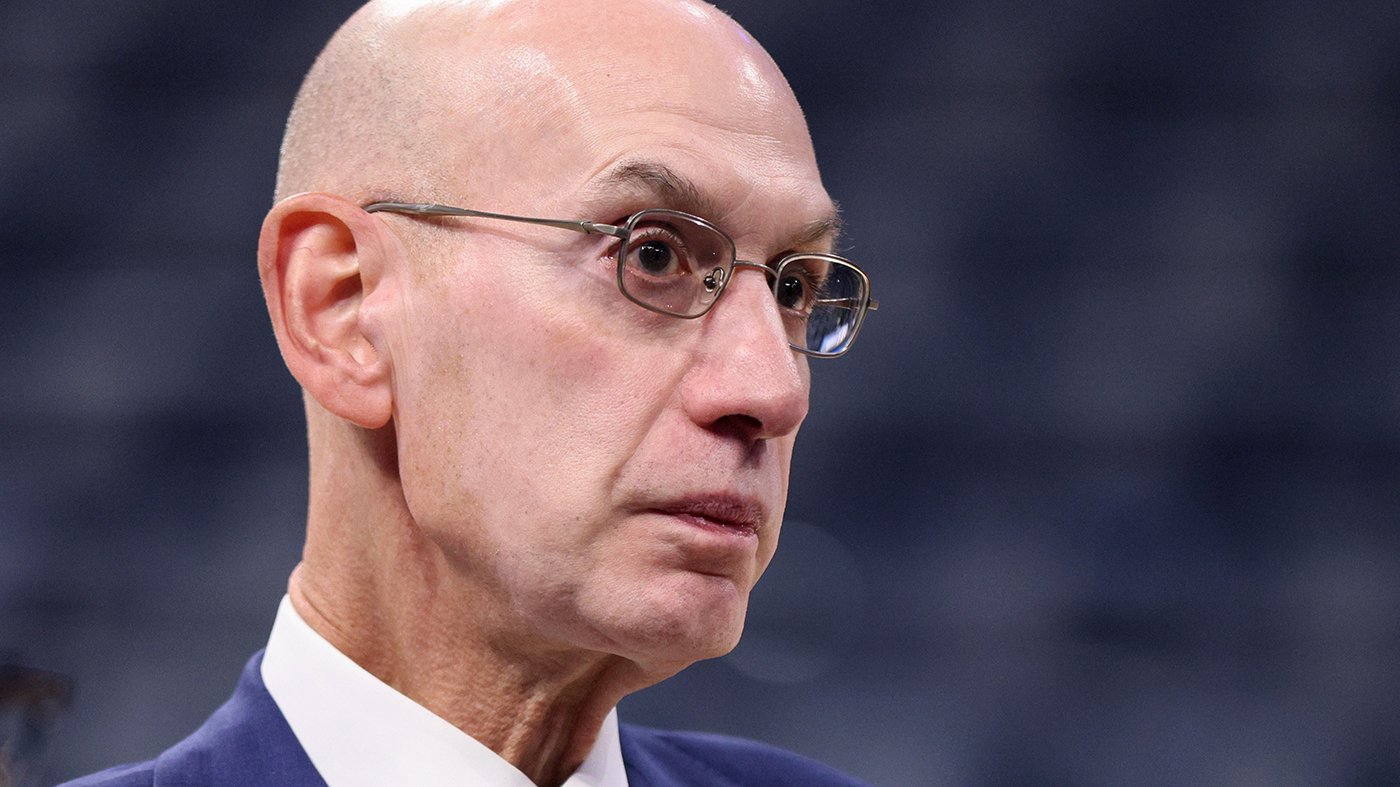
"Today's vote reflects our Board's interest in exploring potential expansion to Las Vegas and Seattle — two markets with a long history of support for NBA basketball," said NBA Commissioner Adam Silver in an official statement. The move signals the league's confidence in the financial and fan-base stability of both cities, which have aggressively pursued major professional sports teams in recent years.
Historic and Emerging Markets
Seattle represents a restoration project for the league. The city was home to the SuperSonics from 1967 until 2008, when the franchise relocated to become the Oklahoma City Thunder. The departure left a lasting void and a persistent civic campaign for the NBA's return. In contrast, Las Vegas is an untapped market for the league, though it has become a hub for NBA events like the Summer League and has successfully integrated franchises from other major sports.
Both cities already host successful WNBA teams—the Seattle Storm and the Las Vegas Aces—demonstrating an established basketball culture. Their recent track records with other leagues is particularly compelling. Seattle successfully launched the NHL's Kraken, while Las Vegas has seen remarkable success with the NHL's Golden Knights and the NFL's Raiders after their relocation. Major League Soccer's Seattle Sounders also represent a model of strong fan engagement and financial success.
Economic and Logistical Evaluation Begins
The league's exploration phase will involve deep analysis of the economic landscape. Expansion fees are expected to reach record sums, potentially exceeding $3 billion per team, injecting significant capital into the league's revenue sharing system. Officials will scrutinize proposed arena plans, local government support, and the strength of prospective ownership syndicates.
This expansion exploration unfolds against a backdrop of a robust national economy where major sports franchises are valued as premium assets. The process mirrors the careful market analysis seen in other sectors, though with distinct geographic and demographic considerations. The league's decision will weigh the potential for national media contract growth against the dilution of shared revenues among existing team owners.
The formal exploration marks a shift from speculative discussion to structured procedure. It does not guarantee expansion, but it establishes the framework for a serious bid process. The move can be seen as a strategic effort to capitalize on the league's current popularity and financial health, locking in lucrative expansion fees before any potential economic downturn.
Broader Political and Business Context
Major sports expansions often intersect with local and state politics, involving negotiations over infrastructure, tax incentives, and community benefits agreements. The success of recent franchise launches in these cities suggests a proven political playbook for securing public-private partnerships. This business-focused expansion stands in contrast to the politically charged debates surrounding other national issues, such as the Supreme Court's deliberation on asylum policy definitions or the congressional standoffs over DHS funding and immigration enforcement.
While the NBA's decision is primarily a business calculation, it reflects confidence in the economic vitality of these specific metropolitan areas. This stands apart from federal policy decisions driven by international tensions, like the debate over surveillance law extensions linked to Iran or the geopolitical demands from Tehran affecting global energy markets. The league's timeline for a final decision remains unclear, but this vote unequivocally places Seattle and Las Vegas at the front of the line for the NBA's next chapter.