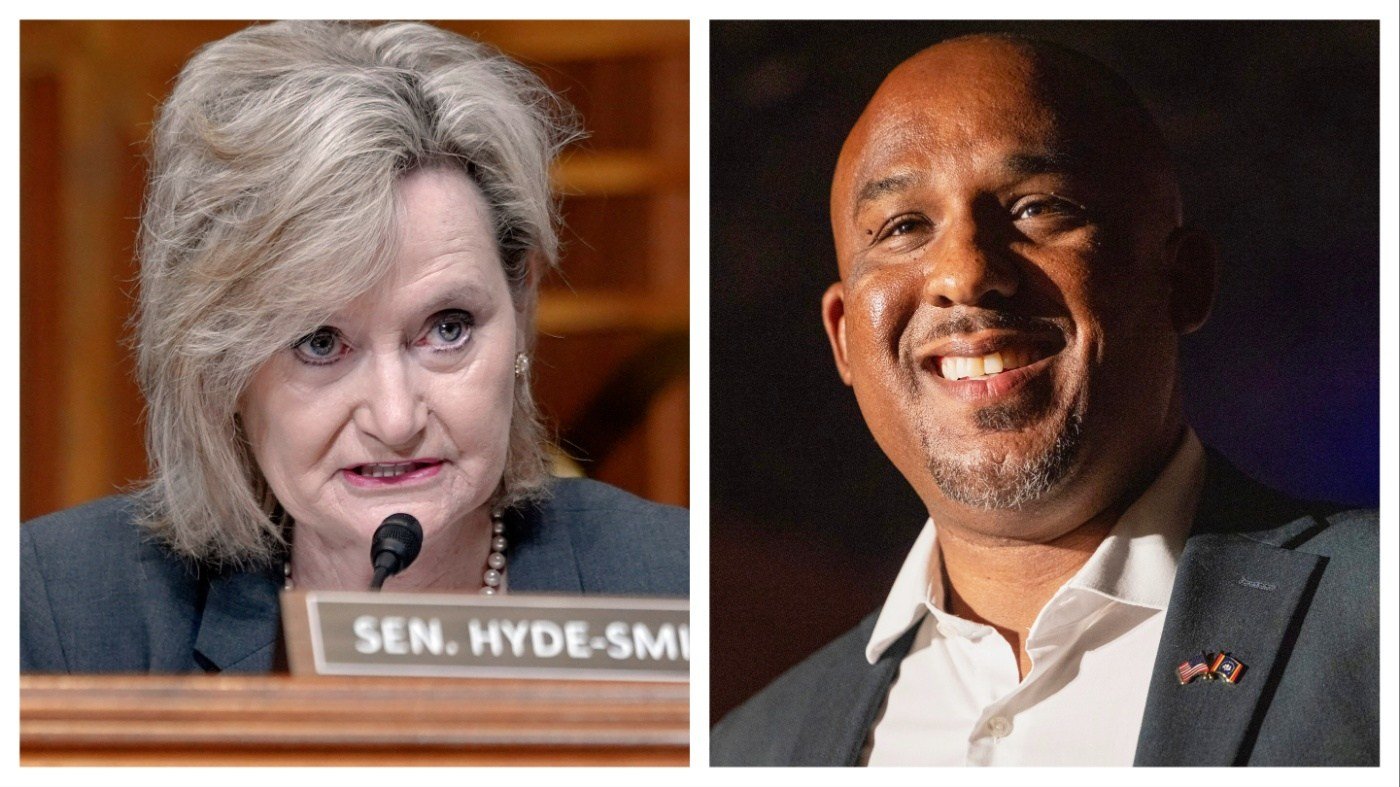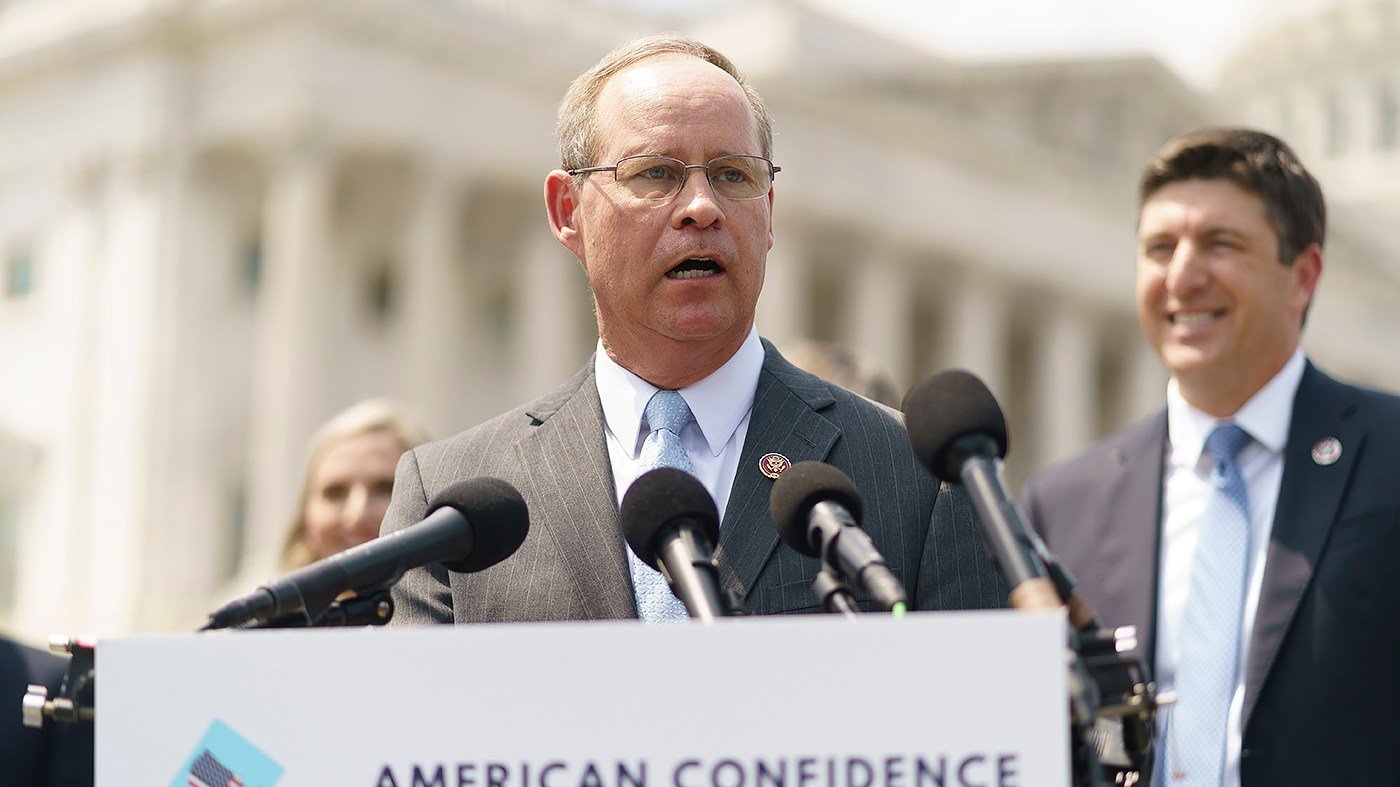
Republican Representative Greg Murphy of North Carolina conceded his reelection bid on Wednesday, handing Democrat Raymond Smith a narrow victory in the state's 3rd Congressional District and adding another seat to the Democratic column in the House.
Decision Desk HQ, which partners with The Hill on election coverage, had not yet called the race as of Wednesday evening. But with provisional ballots counted, Smith pulled ahead of Murphy by fewer than 300 votes, erasing the slim lead the GOP incumbent had held on election night.

In a statement, Murphy congratulated Smith, saying, "I want to congratulate Representative-Elect Raymond Smith on his successful election for the Third District Congressional seat. I am sure he will serve the next two years with honor and integrity." Murphy, who has represented the eastern North Carolina district since 2019, thanked his supporters and called his time in Congress "the greatest honor of my life." He also acknowledged the disappointment of losing, saying, "I would be remiss if I did not express personal disappointment in not being able to continue what I believed was good and diligent work on behalf of the people of eastern North Carolina."
Smith Celebrates Victory, Pledges to Work for All Constituents
Smith, an Army veteran and former state lawmaker, celebrated the win on Wednesday, thanking volunteers and voters. In a post on X, he wrote, "This victory doesn't belong to me. It belongs to the people who believed in something greater than themselves." He added, "Whether you may have voted for me or not, I intend to work just as hard for you. Our communities deserve to be heard in Washington, and I'm ready to get to work."
The race had been contentious, with Murphy declaring victory the day after the election despite thousands of ballots still uncounted. At the time, he said he was "honored to be reelected by the good people of the Third District," describing the contest as razor-thin. Smith disputed that declaration, noting that roughly 6,000 provisional ballots remained uncounted across the district's nine counties, and his campaign began fundraising in preparation for a possible recount.
The flip is a significant pickup for Democrats, who have been gaining ground in the House as the new Congress prepares to convene. The outcome also highlights the growing importance of provisional ballots in close races, a topic that has drawn scrutiny amid broader debates over election administration. As the party navigates its narrow majority, the dynamics of such tight contests could influence legislative strategy, especially on issues like affordability and accountability that Democrats are expected to push.
Murphy's concession marks the end of a tenure that began in a 2019 special election. His district, which spans the state's rural eastern counties, had long been considered safely Republican, making Smith's victory a notable upset. Political analysts point to a combination of factors, including candidate quality and local issues, that may have contributed to the shift.
Smith's win adds to a string of Democratic successes in recent special elections and midterm contests, signaling potential headwinds for Republicans. The outcome could also affect the balance of power on key committees, where every seat matters. As the House prepares for a new session, the Democratic leadership will likely see this as a validation of their strategy, even as internal divisions remain over issues like the recent Hegseth vote and other flashpoints.
For now, Smith is set to take office in January, representing a district that has not elected a Democrat in decades. His victory speech, which emphasized unity and service, resonated with many voters who said they were looking for a change. "Our communities deserve to be heard," he said, a message that may echo beyond North Carolina as both parties prepare for the next electoral cycle.