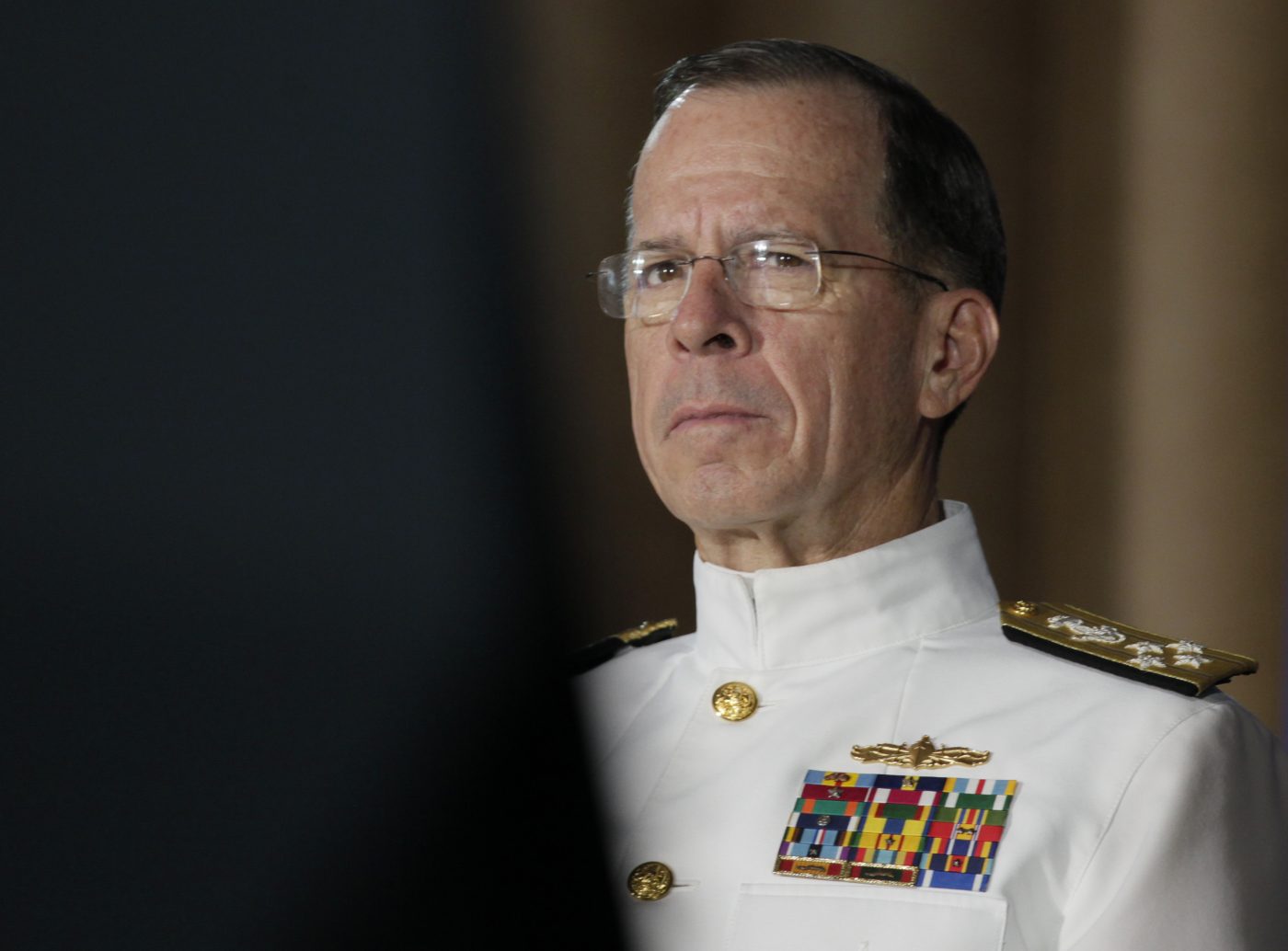
Retired Adm. Mike Mullen, who led the Joint Chiefs of Staff from 2007 to 2011, said Sunday that the truth about mental health concerns on the USS Abraham Lincoln is probably "somewhere in the middle," pushing back against both alarmist reports and official denials.
In an interview on ABC's "This Week," Mullen told host Martha Raddatz he has "great concern" about conditions on the carrier, which has been at sea for more than 260 days. He praised Capt. Daniel Keeler, the ship's commanding officer, for "working these issues hard," but stopped short of endorsing the Navy's rosy assessment.
The Lincoln, carrying roughly 5,000 sailors and Marines, deployed on Nov. 21 and had its tour extended as part of the U.S. military campaign against Iran. Acting Navy Secretary Hung Cao announced this week that the carrier will return to San Diego "soon" as part of a "planned rotation," with the USS George Washington set to replace it in the Central Command area. The announcement came amid reports of sailors attempting to jump overboard and growing pressure from lawmakers.
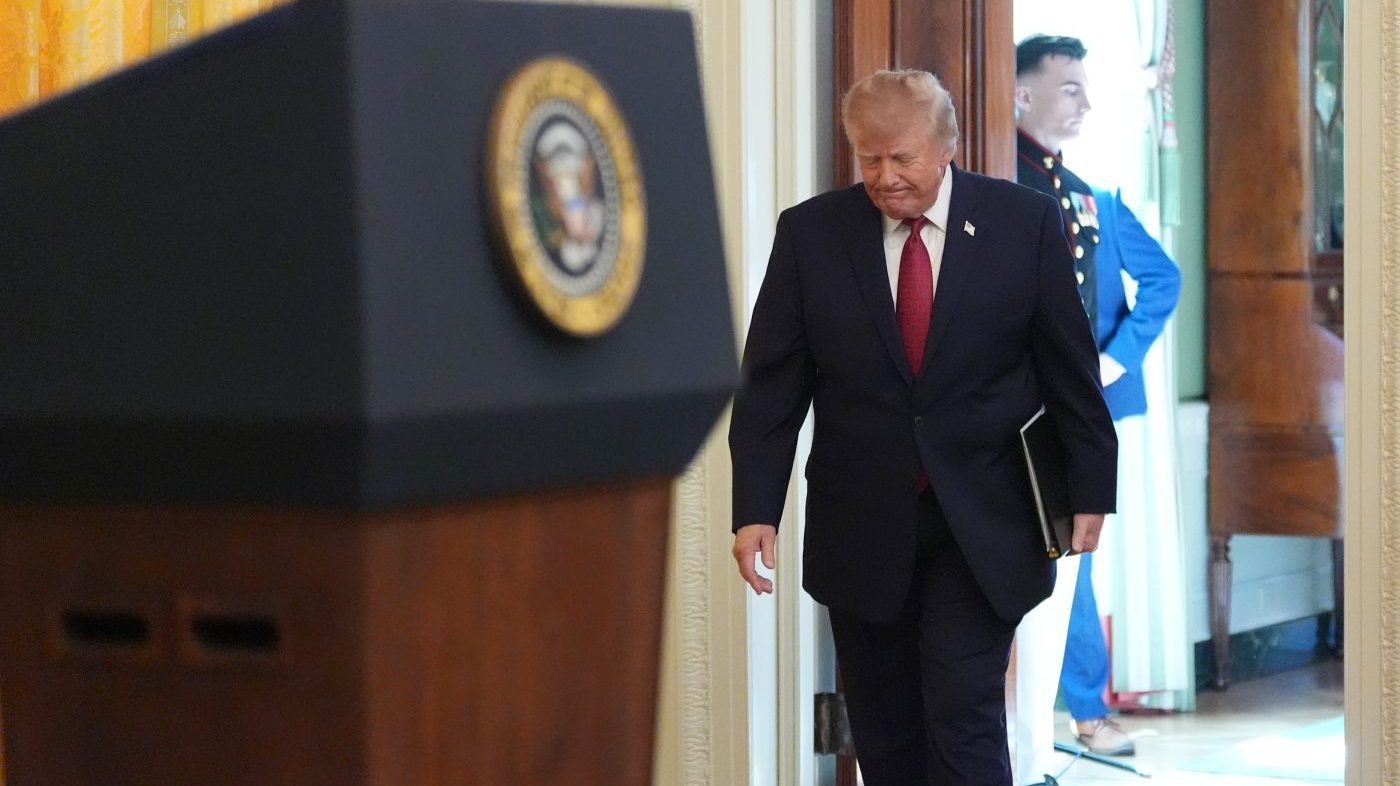
Defense Secretary Pete Hegseth and President Trump have denied any increase in suicide attempts, with Hegseth accusing the media of "completely misrepresenting" the situation. Cao, however, acknowledged that medical teams treated a "small" number of mental health cases, and he confirmed adjustments to meal plans and restricted phone calls due to "operational threat."
Mullen attributed the prolonged deployment to a lack of safe ports in the Middle East. "Those places where we normally would go for some rest and relaxation... they weren't usable," he said, citing Iranian attacks on bases in Bahrain, Kuwait, and the UAE. "So the planning with respect to that, I think you had to adjust on the fly, and it became very, very difficult to find a place to do that. So, basically, you end up staying at sea."
The former chairman also revisited his long-standing argument for a larger carrier fleet. He recalled pressing Defense Secretary Donald Rumsfeld in the early 2000s to keep 12 carriers, but Rumsfeld cut the number to 11. Mullen said the Navy needs "more" carriers "if we're going to deploy them like this," warning that the service is "eating" the future's capability now.
The controversy has drawn bipartisan scrutiny. House Democrats have demanded answers about crew conditions, while Sen. Richard Blumenthal has also pressed the Navy for transparency. Families of sailors have spoken publicly about the mental health toll, and the Navy is set to face them in upcoming meetings.
Mullen's remarks highlight a broader tension: the military's operational demands versus the well-being of its personnel. As the Lincoln heads home, the debate over how to sustain long deployments without breaking the force is unlikely to fade.