The legal fight over Missouri's congressional districts enters a new phase Thursday, as the U.S. Appeals Court for the 8th Circuit hears arguments in a lawsuit filed by Rep. Bob Onder (R-Mo.). The hearing comes just a week after the Supreme Court intervened in a separate case, blocking a lower court ruling that would have let a GOP-drawn map from 2025 remain in place. Missouri lawmakers warn that switching back to the 2022 boundaries so close to the election would create administrative chaos and voter confusion.
Onder's suit is part of a broader Republican effort to preserve the map that favors their party. The Supreme Court's action last week effectively paused a decision by a federal judge who had ordered the state to revert to the earlier map, but the underlying legal questions remain unresolved. The 8th Circuit's ruling could have significant implications for control of the House, as Missouri's districts are closely contested.
Kennedy Center closure sparks legal showdown
Meanwhile, the Kennedy Center for the Performing Arts remains shuttered after its board voted to close the venue on Wednesday, a move that has triggered an emergency legal request from Rep. Joyce Beatty (D-Ohio), who sits on the board as an ex-officio member. Beatty has asked a federal judge to convene an emergency hearing to force the board to explain the closure. The Justice Department has been ordered to respond by Thursday morning, and Beatty's legal team is demanding that a "high-level decisionmaker" from the Kennedy Center appear if a hearing is scheduled.
The closure is the latest twist in an ongoing power struggle over the institution's leadership and its ties to former President Trump. Earlier this month, the board voted to remove Trump's name from the building, a decision that has drawn both praise and criticism. The board's action has also raised questions about the future of the center's programming and its financial viability.
Trump's trade threats intensify
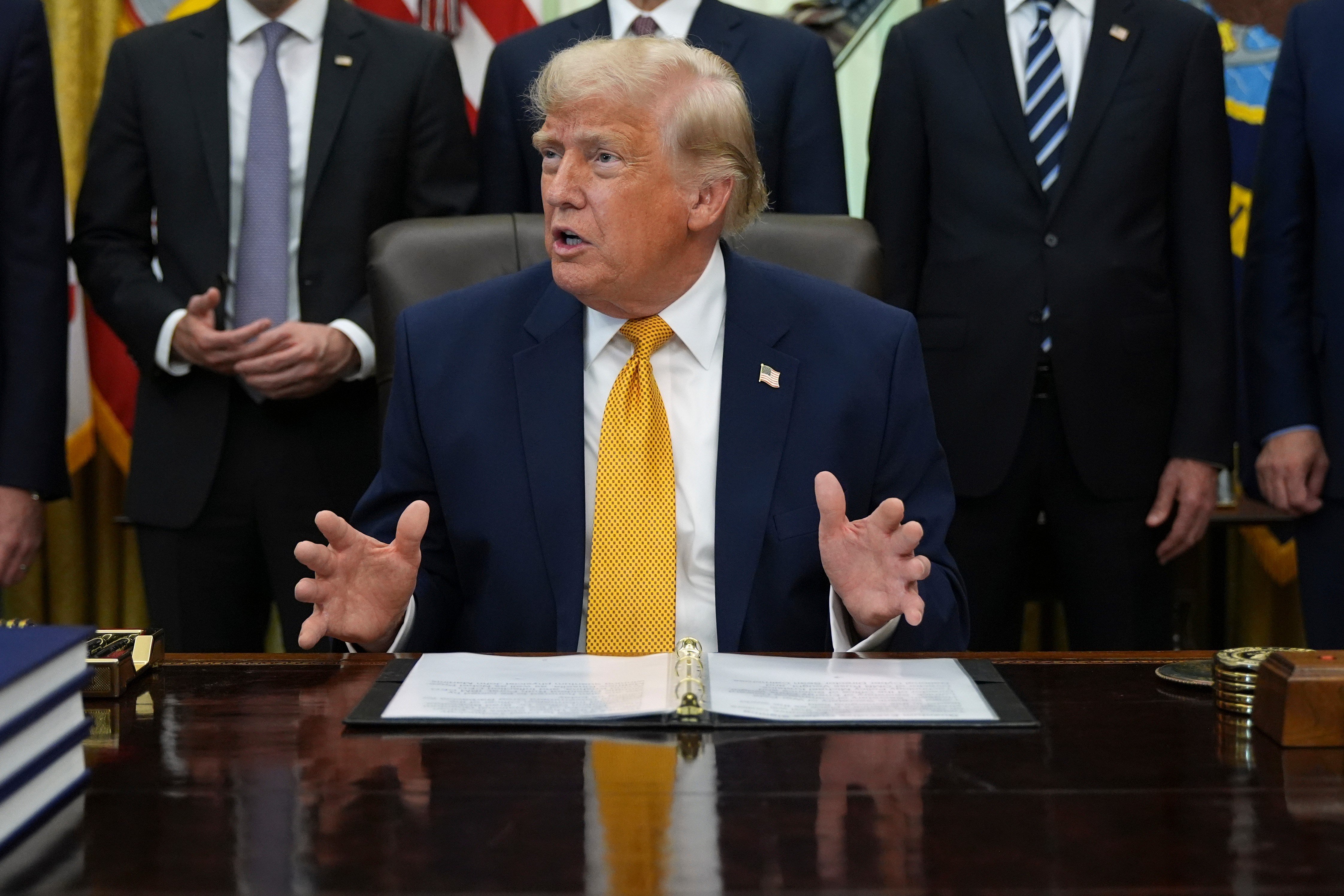
President Trump is back at the White House Thursday after a rally in North Carolina on Wednesday, where he campaigned for Senate candidate Michael Whatley. Trump is expected to sign executive orders and host a Rose Garden dinner, but his remarks on trade have overshadowed the day's events. In a series of posts on social media, Trump threatened to impose tariffs on European Union goods if the EU proceeds with a new trade agreement with Canada, a move he called "a slap in the face" to American workers.
The threats come as Canadian Prime Minister Mark Carney embraces an EU associate membership bid, a development that has angered the White House. Trump's rhetoric has escalated in recent days, with aides signaling that the administration is prepared to follow through on the tariffs if the EU and Canada formalize their partnership. The dispute adds another layer of uncertainty to global markets, already rattled by Trump's trade policies.
Senate moves on college sports bill
In the Senate, lawmakers are set to take the next vote on the Protect College Sports Act, a bill that would establish federal standards for athlete compensation and name, image, and likeness rights. The measure has bipartisan support, but disagreements remain over how to regulate collectives and whether to create a federal oversight body. The vote is expected to be close, with several senators still undecided.
The bill's future is uncertain, as the House has already left Washington for a seven-week recess that extends past the November elections. Speaker Mike Johnson (R-La.) ended the House session early on Wednesday, sending members home to campaign. That means any Senate-passed version of the bill would have to wait until after the midterms, unless a deal is struck in the lame-duck session.
The compressed timeline has frustrated advocates on both sides. "We're running out of time to get this done," said one Senate aide, speaking on condition of anonymity. "If we don't act now, the next Congress will have to start from scratch."
For now, the political calendar is dominated by the campaign trail, with Trump's rally in North Carolina highlighting the GOP's focus on Senate races. Polls show Whatley in a tight race, and Trump's endorsement could be crucial. The president also used the rally to tout his administration's economic record, even as the Federal Reserve faces pressure over interest rates. Trump has publicly criticized the Fed's recent rate hike, a rare breach of protocol that has unsettled markets.
As the day unfolds, all eyes will be on the 8th Circuit, the Kennedy Center, and the White House. The outcomes could shape the political landscape for months to come.