In a striking turn of events, Missouri Republicans' attempt to gerrymander their way to an additional congressional seat has backfired spectacularly, leaving the state's general election results in legal limbo and threatening to disenfranchise voters. The saga, which began with a partisan redistricting effort, has spiraled into a constitutional crisis that could see Missouri's House delegation unable to take their seats in January.
The Redistricting Gambit
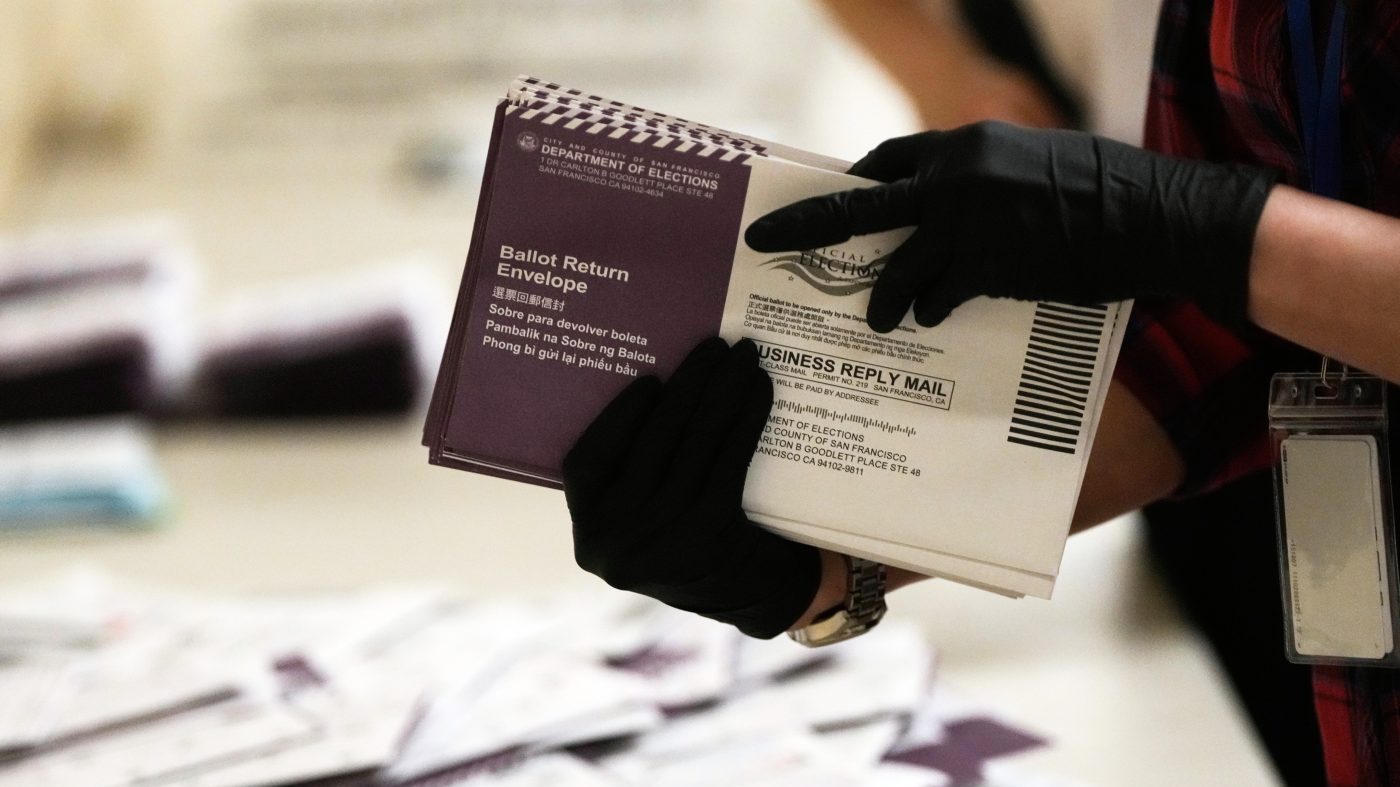
Missouri, with its eight House seats currently split between six Republicans and two Democrats, seemed ripe for Republican gains. The state legislature drew a new map designed to create a 7-1 Republican advantage. However, the plan ran into immediate legal hurdles. Missouri law requires that any new congressional map be put on hold if a successful referendum petition is filed. In December 2025, the group People, Not Politicians submitted a petition with more than enough signatures to trigger this suspension. Instead of processing it, Secretary of State Denny Hoskins, a Republican, sat on the petition for nine months before rejecting it on dubious constitutional grounds.
Legal Backlash
The referendum filing ignited a legal battle that culminated in a unanimous Missouri Supreme Court ruling that the new map was never legally valid. Undeterred, Hoskins attempted to use the new map for the August primary, arguing that it would be unconstitutional to hold the primary and general elections under different district lines. Federal courts initially agreed, with the Eighth Circuit Court of Appeals ordering that the general election use the same map as the primaries. But the U.S. Supreme Court intervened, staying those orders three times, effectively allowing the election to proceed under the old map.
A Constitutional Train Wreck
The Supreme Court's stays were based on procedural technicalities, not the merits of the case. This left the Eighth Circuit's published opinion intact, which declared that holding a general election under the old map violates the U.S. Constitution. This opinion is now binding precedent in Missouri. As a result, after Tuesday's election, Democrats can cite this ruling to challenge the certification of results in at least five districts, likely leading to the invalidation of those elections.
The practical consequence is that Missouri may be unable to send representatives to Congress in January. This would effectively reduce the Republican majority, a far cry from the one-seat gain they had hoped for. The only remedy would be to hold new elections, a process that would take months and likely extend well beyond the start of the new Congress.
Calls for Accountability
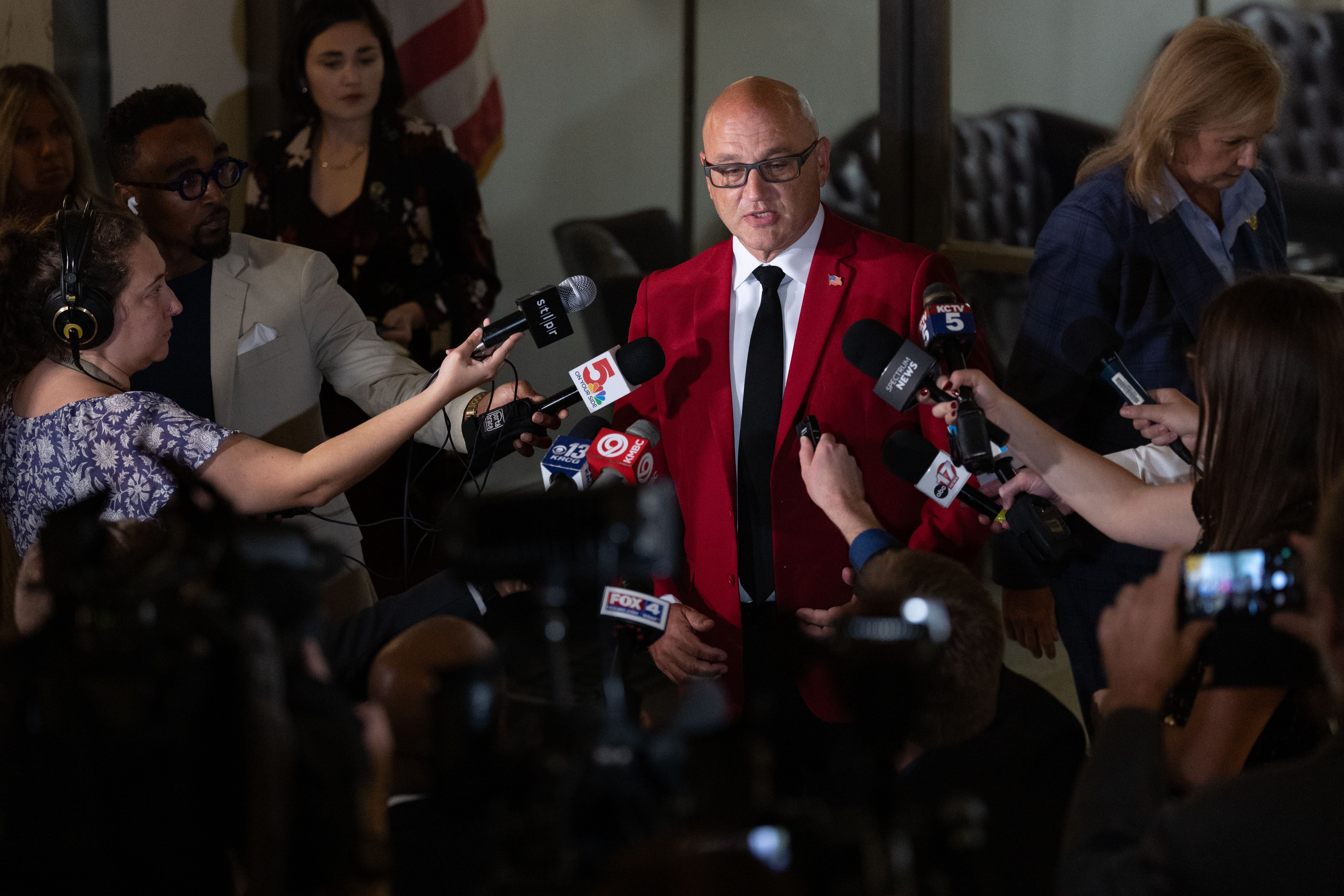
Some Democrats might be tempted to show restraint, but legal experts argue that would be a mistake. "If bad behavior never has consequences, then you get more bad behavior," said Chris Truax, an appellate attorney and member of the Society for the Rule of Law. Truax, who authored the original analysis, emphasized that Hoskins' actions constituted "some of the most cynical, undemocratic behavior imaginable" and have left the entire state disenfranchised.
This episode serves as a cautionary tale about the dangers of partisan gamesmanship in election law. As Truax noted, "Politics may be a game, but the law is definitely not." The courts have established a precedent that can be used by either side, and Republicans in Missouri are now paying the price for their overreach. The fallout could also have national implications, as voter support for incumbents hits historic lows, and this kind of chaos only deepens public distrust.
Meanwhile, the broader political landscape remains turbulent, with Trump's week of chaos dominating headlines, and Elon Musk's trillion-dollar clout reshaping US politics. But Missouri's immediate crisis underscores a fundamental truth: attempts to manipulate the system for partisan gain can backfire in spectacular fashion, leaving everyone worse off.
As the nation watches, Missouri's Republicans have only themselves to blame for this self-inflicted wound. The "stupid prize" they have won is a lesson in the enduring seriousness of democracy.