President Trump's decision to elevate longtime adviser Stephen Miller to White House chief of staff is being read as a clear signal that he has no intention of seeking common ground with Democrats following their decisive midterm victories. The move, announced just days after the election, sets the stage for a confrontational lame-duck session and a combative relationship with the incoming Congress.
Miller, known for his hardline immigration stance and sharp-elbowed political tactics, replaces outgoing chief of staff Mick Mulvaney. The promotion is widely seen as a reward for Miller's loyalty and a nod to the president's base, but it also underscores Trump's determination to press forward with his agenda, even as his party lost control of the House.
The timing is critical. With the lame-duck session set to begin, Congress faces a slew of must-pass legislation, including government funding, farm bill reauthorization, and potentially disaster relief. Democrats, emboldened by their new majority, are expected to push for concessions on issues like election security and healthcare. But Trump's choice of Miller suggests he is in no mood to yield.
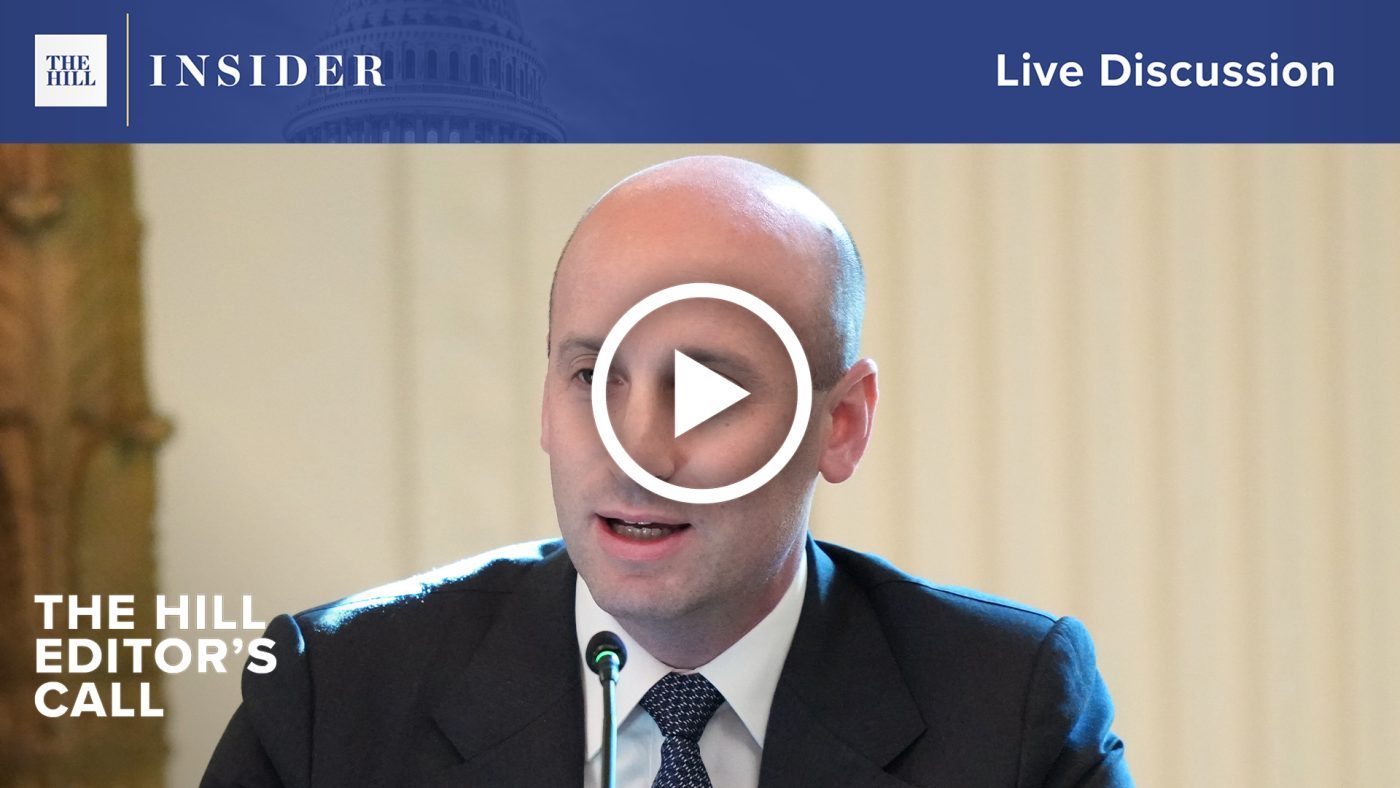
"This is a president who is digging in, not reaching out," said Alexander Bolton, a Senate reporter for The Hill, during a live discussion on the implications of Miller's appointment. "The message to Democrats is: we're going to play this our way."
The question now is whether any bipartisan deals can be struck before the new Congress convenes in January. Senate Republicans, who retained their majority, may be eager to notch legislative wins, but they face a president who has shown little appetite for compromise. Meanwhile, Democrats are weighing their own strategy, with some lawmakers calling for aggressive oversight of the administration.
For Trump, the lame-duck period may also be an opportunity to shore up his legacy and test the limits of executive power. As one analysis noted, the midterm losses could push the president toward more unilateral action on immigration, trade, and foreign policy. Miller's promotion aligns with that trajectory, given his reputation as a driving force behind some of the administration's most controversial policies.
At the same time, Trump's relationship with Senate Republicans is fraying. Many in the GOP are quietly seething over the midterm wipeout and are already looking toward the 2028 presidential race, which could complicate Trump's ability to rally the party behind his agenda.
Democrats, for their part, are preparing to counter the administration's moves. They have unveiled a five-part strategy to push back on Trump's foreign policy, and they are likely to use the lame-duck session to force votes on popular issues like drug pricing and infrastructure, hoping to put Republicans on the spot.
As the nation watches, the key question remains: can anything get done in Washington between now and January? The answer, based on Miller's appointment, appears to be a resounding no. "This is a president who believes in confrontation, not conciliation," Bolton said. "The next two months are going to be a test of whether that approach can yield anything other than gridlock."