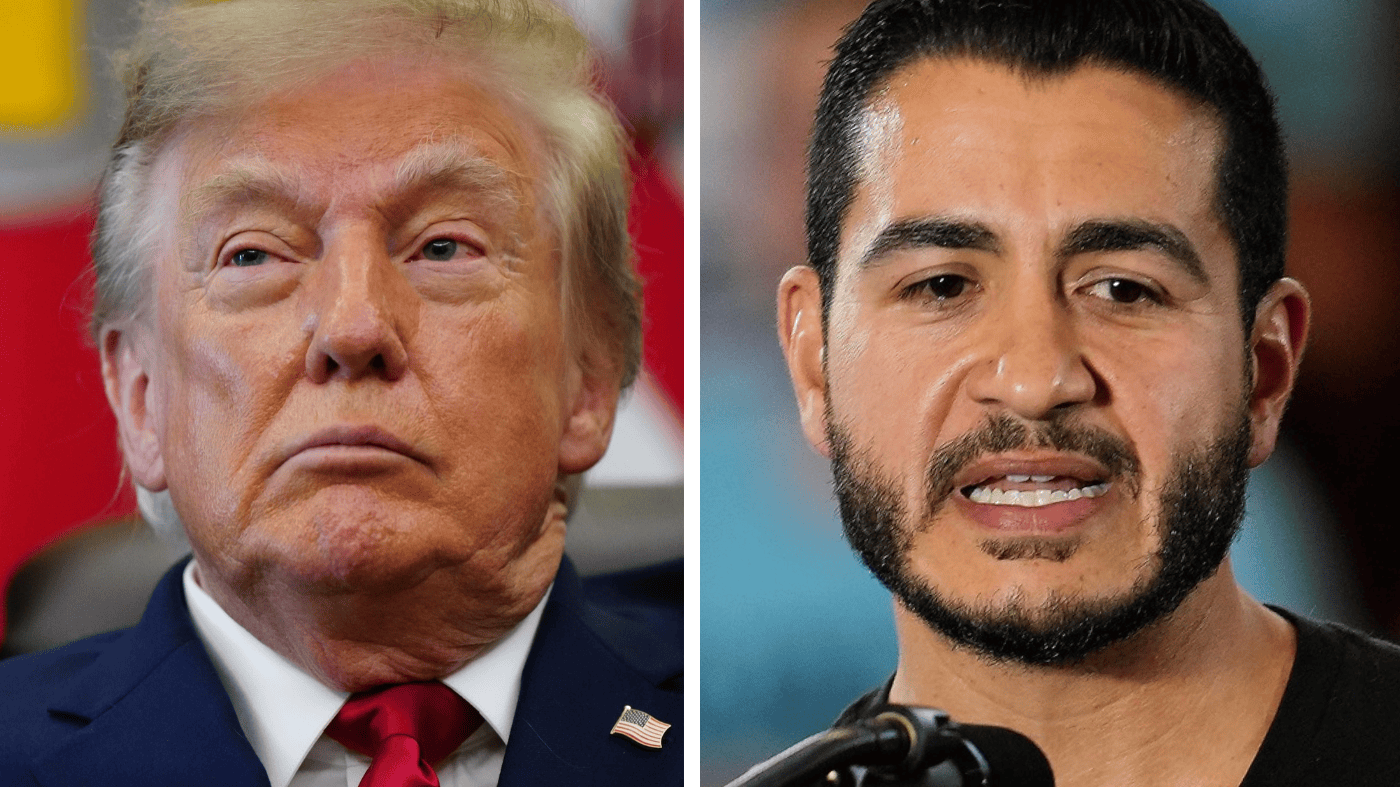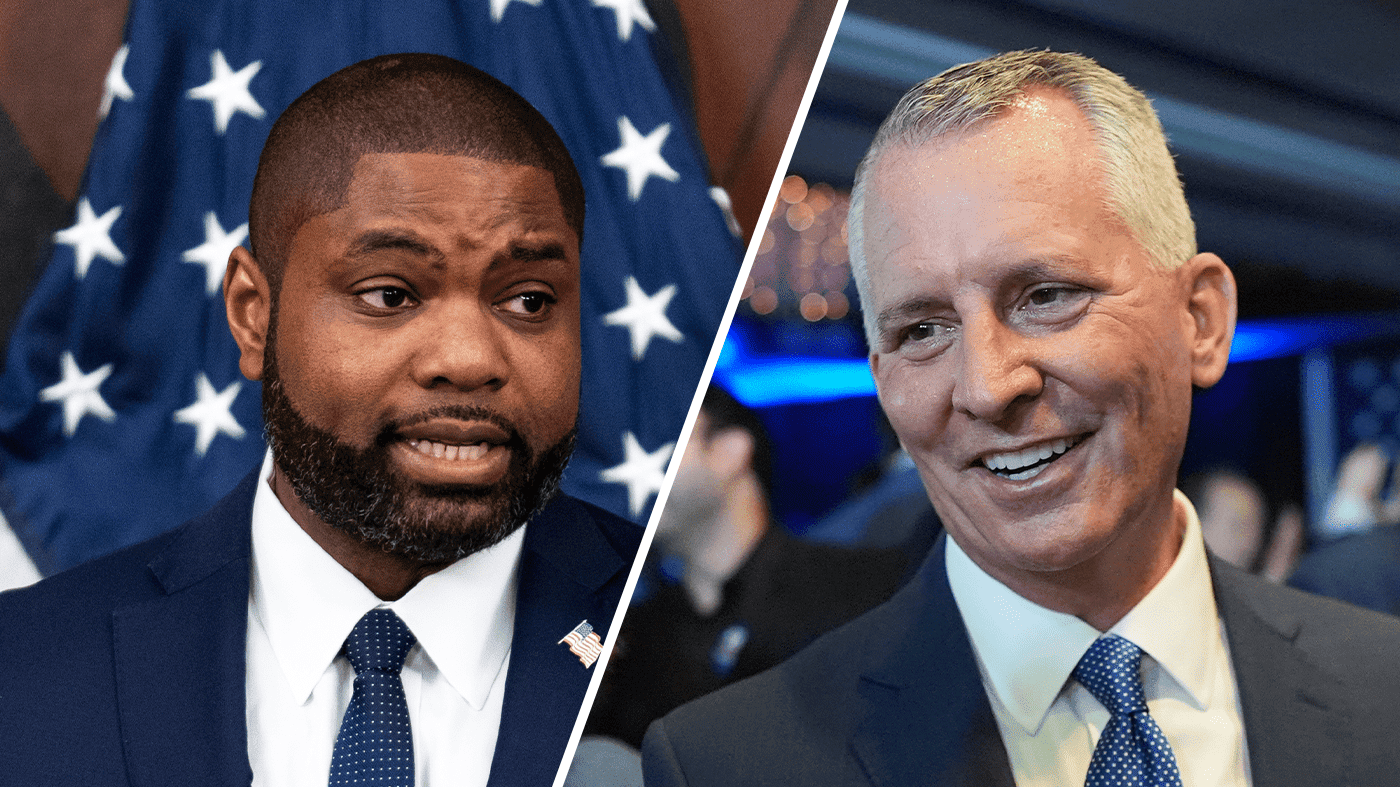
With the fall campaign season fast approaching, the word “radical” has emerged as the sharpest rhetorical weapon in both parties’ arsenals. From the White House to down-ballot races, candidates are deploying the term to paint their opponents as dangerously out of step with mainstream American values. The strategy reflects a political landscape where both parties are being pulled toward their ideological fringes, and each side is eager to cast the other as the true outlier.
Republicans, facing headwinds from the economy and the ongoing conflict in Iran, have seized on “radical” as a counterattack. President Trump and GOP candidates across the country are linking Democrats to the rise of the Democratic Socialists of America and the leftward shift of the party’s base. The goal is to shift the conversation from policy failures to what they describe as the “extreme” positions of their opponents.
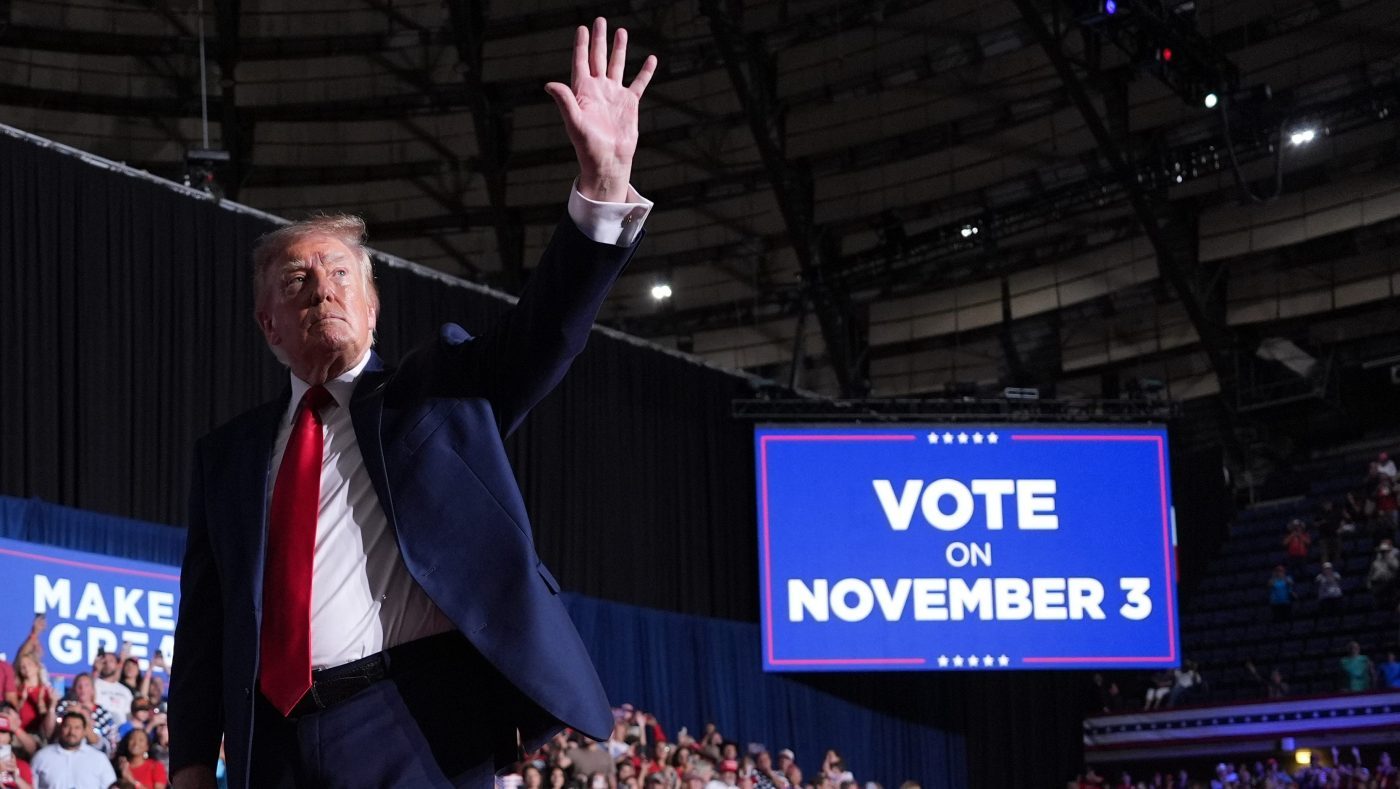
Democrats, meanwhile, are using the same word to describe Trump and his MAGA movement, arguing that the GOP has veered far from traditional conservatism. The rhetorical volley is not new, but its intensity has reached a fever pitch as the 2026 midterms approach. “Radical is the current word of choice in the framing battle to set the agenda for the 2026 elections,” said Tobe Berkovitz, a communications professor emeritus at Boston University. “The Democrats and Republicans both use it to position their opponents as far out of touch with current social and political norms.”
Berkovitz noted that for such framing to work, the word must be repeated until it sticks in voters’ minds. “Radical certainly fits that criteria,” he added. Princeton historian Julian Zelizer agreed, saying that “the partisan struggle to define ‘radical’ will be a very important part of the campaign cycle.”
The race to control the narrative is playing out in key battlegrounds. In Florida, GOP gubernatorial candidate Byron Donalds has launched an ad against Democrat David Jolly, a former Republican congressman, asking, “How radical is David Jolly on the trans agenda?” The spot concludes with Donalds asserting that Jolly is “radically liberal, radically wrong” and that “the only way you defeat crazy is stand up to it.”
The word also surfaced in a spat between the White House and Sen. Jon Ossoff (D-Ga.), who is up for reelection. Ossoff criticized Trump for prioritizing leisure over presidential duties, prompting White House Communications Director Steven Cheung to label him “a radical, extremist” Democrat. Trump himself, when asked about Ossoff, declined to use the term, instead calling him “Pee-wee Herman.”
Democrats are equally willing to wield the label. The Democratic Governors Association released an ad targeting Wisconsin GOP candidate Tom Tiffany, describing his agenda as “so radical that even Republicans say he’s part of a group of legislative terrorists in Congress.” In Illinois, Gov. JB Pritzker is hammering opponent Darren Bailey for his “radical” positions on abortion and gun rights, using an ad titled “Too Extreme.”
Political observers see the word as a symptom of deep polarization. “It means more now than it ever did before,” said veteran Republican strategist Susan Del Percio. “It’s actually more reflective of where both parties are now.” But Del Percio, who does not support Trump, cautioned that overuse can backfire. “It’s laughable in some cases because someone like David Jolly is anything but radical,” she said, noting that Jolly is a former Republican with independent leanings. She suggested that GOP candidate Mike Rogers would be more effective using the label on Abdul El-Sayed in Michigan, whose policies are “associated with radical ideas.”
Republican strategist Brian Seitchik argued that “radical” resonates because it “transforms Democratic policy disagreements into a warning about the people proposing it.” He added, “It makes Democrats not just wrong but willing to remake the world with their policies that are not mainstream.” Still, he warned, “You can’t just point and say ‘radical.’ You have to have some meat on the bones. And thankfully Democrats are giving us plenty of opportunities to do that.”
As the midterms near, the battle over “radical” is likely to intensify, with both parties seeking to define the other as beyond the pale. The word has become a shorthand for the broader fight over the future direction of the country, a fight that will culminate in November.