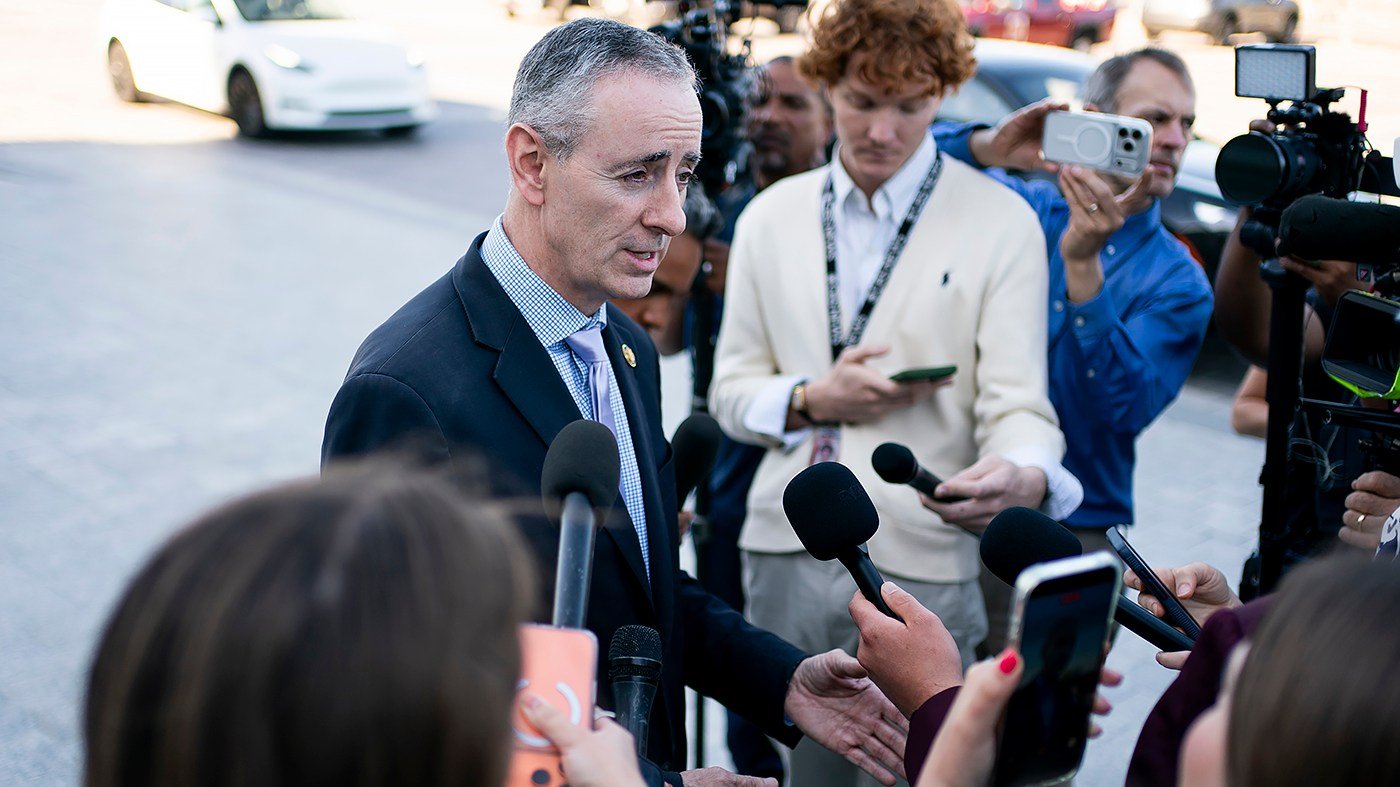
As world leaders convened in New York last week for the United Nations' International Migration Review Forum, the real drama unfolded outside the meeting rooms. The Trump administration's relentless immigration crackdown—now including a rejection of the forum's outcomes—has dealt another blow to multilateral cooperation on migration. But after European leaders refused to join Trump's military action in Iran, a new dynamic is emerging: middle powers willing to push back.
In the wake of the quadrennial forum, which reviews the Global Compact for Safe, Orderly and Regular Migration, these nations should extend their defiance to migration policy. The question is how to translate resolve into concrete action that protects migrants without triggering retaliation.
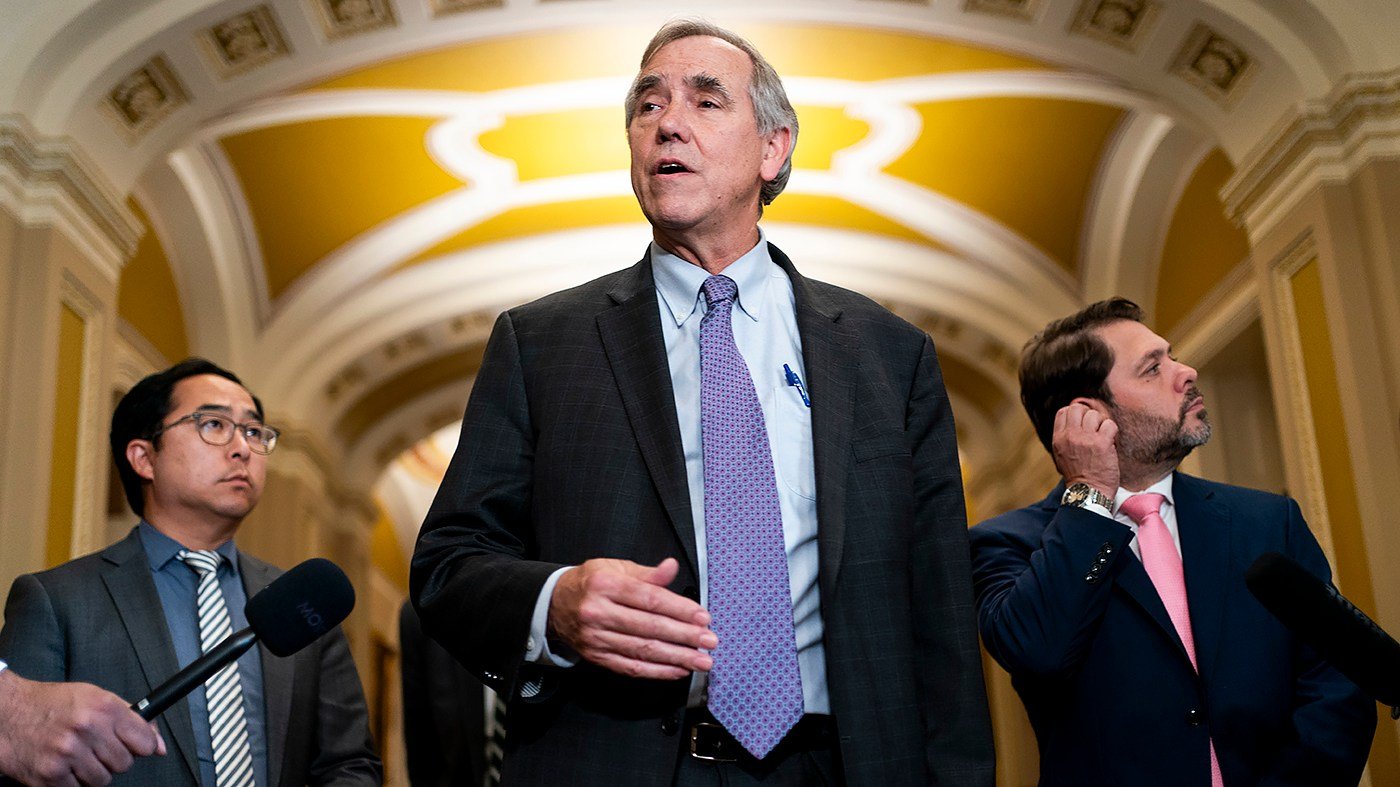
Canada's Mark Carney sparked global debate at Davos by urging countries to unite against a former partner that has abandoned multilateralism. Now, governments must make a sovereign argument when refusing to comply with U.S. requests that violate international law—including demands to rewrite refugee protections. The strongest rationale is national interest.
Since 2020, protection of migrant rights in national law has increased alongside implementation of the compact. Research from the Migrant Rights Database shows that 40 of 45 major host countries now protect migrants from return to persecution or torture. Defending these laws isn't global idealism; it's enforcing values embedded in domestic statutes. When saying no, governments can tell Washington: 'Our laws protect migrants. We are not changing or breaking them.'
The administration's use of migration control as a weapon against the rule of law has had devastating human consequences. Consider 'Jalil,' an Afghan asylum-seeker referenced in court filings. He fled his homeland with siblings, arriving at the U.S.-Mexico border in January 2025 as Trump invoked an 'invasion' to suspend asylum. Scheduled to present their case via the CBP One app, they were denied sanctuary. 'There is nothing to be afraid of, we are all safe,' Jalil told his siblings as they crossed. Instead, he was returned to Afghanistan; his siblings were sent to detention in Costa Rica and Panama.
The D.C. Circuit Court of Appeals recently ruled that Congress never authorized a blanket suspension of asylum. As U.S. judges push back, allies should too—but polite refusals aren't enough. Two underused legal tools could help.
First, middle powers can bolster human rights courts and commissions. Cases challenging U.S. policies—like sending migrants to detention in countries with no ties—are pending before human rights bodies. I've worked on many through the Global Strategic Litigation Council, including challenges to indefinite detention in Eswatini and enforced disappearances in El Salvador. States could publicly affirm U.S. responsibilities in these cases and seek advisory opinions from regional courts on the legality of border externalization. Affirming the rights baseline provides a touchstone for refusing to cooperate with mass deportations.
Second, governments can demand compensation when their citizens are mistreated by U.S. authorities. This rests on firm legal ground the U.S. helped establish. In 1895, the U.S. secured reparation for a migrant flogged in Guatemala. The practice of diplomatic protection has declined sharply. Ukraine or Haiti could invoke the interests of nationals whose humanitarian parole or temporary protected status was revoked without due process. Coordinated damage claims following mistreatment during detention and deportation would create new diplomatic leverage.
These strategies carry risks. A year ago, most governments feared retaliation. Some still do; a group of European governments is even flirting with the U.S. agenda, seeking flexibility to deport with fewer constraints. But the Iran precedent shows collective refusal matters. Coordinating legal actions affirming migrant rights could make minilateralism manageable and effective.
The Trump administration didn't participate in adopting the forum's milquetoast Progress Declaration on Friday. Instead, it rejected migration multilateralism, dismissing allies' consensus as a plot to drive 'replacement immigration' to the U.S. and 'the broader West.' With years of this administration ahead, middle powers can't afford to wait. They should band together and act to affirm that migrant rights matter.