Michigan Democratic Senate Primary in Dead Heat
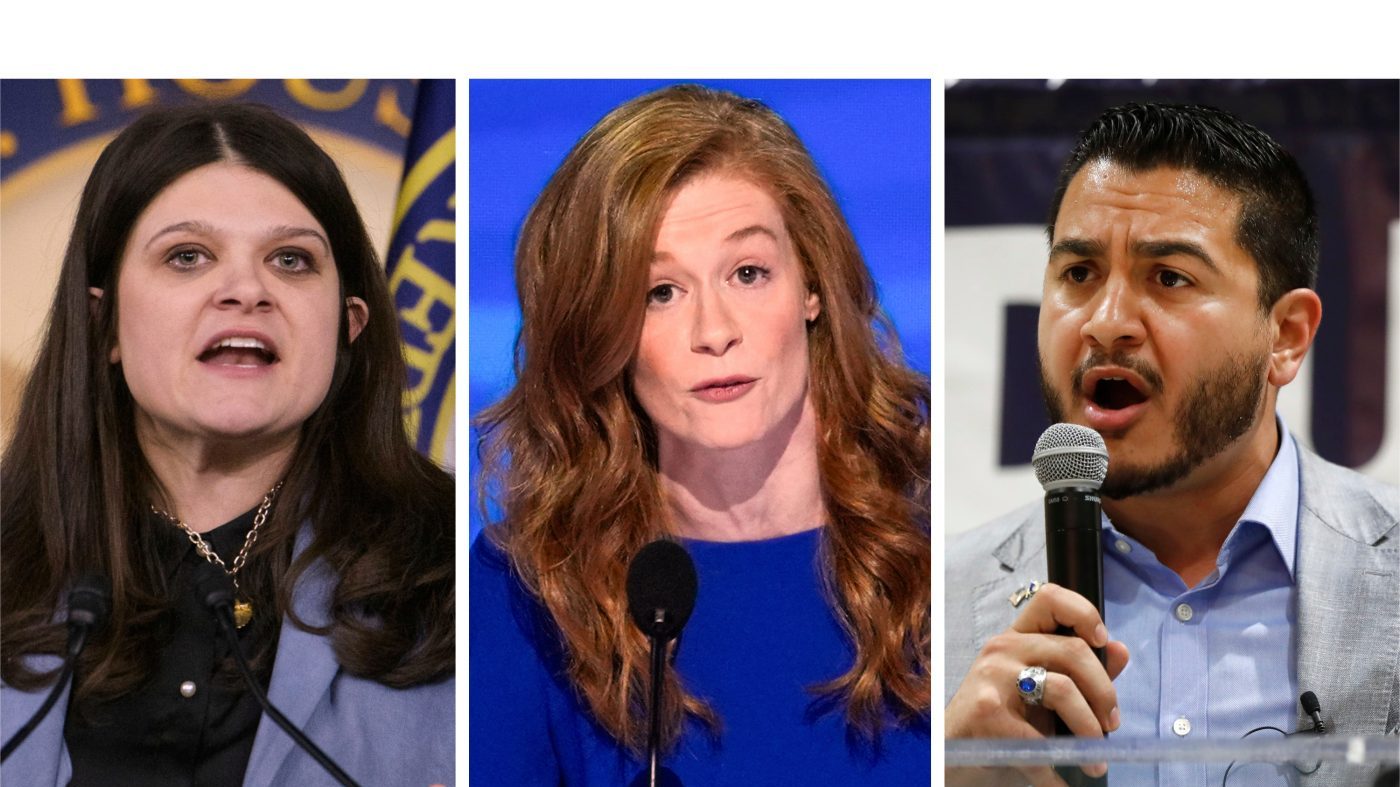
A fresh survey reveals a tightening race for the Democratic nomination for Michigan's open U.S. Senate seat, with progressive candidate Abdul El-Sayed and state Senator Mallory McMorrow locked in a statistical tie. The Emerson College Polling/WOOD-TV survey shows each candidate drawing support from 24% of likely Democratic primary voters, positioning them ahead of U.S. Representative Haley Stevens, who sits at 13%.
Movement and Undecided Voters Shape the Field
The poll indicates significant movement since January, with El-Sayed's support surging by eight percentage points and McMorrow gaining two points. Stevens, meanwhile, has seen her support decline by four points. Despite the increased clarity among the top contenders, a substantial 36% of voters remain undecided, a figure that has dropped only marginally in recent months. The poll's credibility interval for Democratic primary voters is plus or minus 4.3 percentage points.
Spencer Kimball, executive director of Emerson College Polling, highlighted "clear generational differences" driving the primary contest. Voters under the age of 40 favor El-Sayed over McMorrow by a 17-point margin, while voters over 50 support McMorrow over El-Sayed by 12 points. This demographic split underscores the competing factions within the state party.
Candidate Lanes and Campaign Dynamics
The three leading Democrats represent distinct wings of the party. Haley Stevens entered the race with establishment backing, positioning herself as a pragmatic choice. Mallory McMorrow has campaigned as part of a new generation of Democratic leadership. Abdul El-Sayed, the former Wayne County health director, has consolidated significant progressive support, including endorsements from Senator Bernie Sanders.
El-Sayed's campaign, however, has recently drawn internal party criticism for his association with controversial online commentator Hasan Piker. Some Democrats have expressed concern that such alliances could impact the nominee's electability in a general election, a critical consideration given the seat's competitive nature. This intraparty tension mirrors broader Democratic debates over progressive momentum and electability playing out in other key races.
General Election Stakes and Republican Field
The ultimate Democratic nominee will face a formidable Republican opponent in the general election. Former U.S. Representative Mike Rogers, who has secured former President Donald Trump's endorsement, is the likely GOP nominee. Rogers narrowly lost a Senate bid last year to Democrat Elissa Slotkin, who is not seeking re-election, leaving this seat open.
Nonpartisan analysts rate the Michigan contest as one of the most competitive Senate races in the 2026 cycle. Both the Cook Political Report and Sabato's Crystal Ball classify it as a toss-up, highlighting its importance for control of the narrowly divided chamber. The outcome will be a major test of each party's strategy in the industrial Midwest.
The Democratic primary contest reflects the party's ongoing navigation of its ideological future, a theme also evident in discussions around economic policy and tax reform. With a large pool of undecided voters and three candidates carving out separate lanes, the final months before the primary are poised to be highly competitive.
The Emerson College Polling survey was conducted from April 11 to 13, interviewing 971 likely Michigan primary voters overall. The overall credibility interval for the poll is plus or minus 3.1 percentage points.