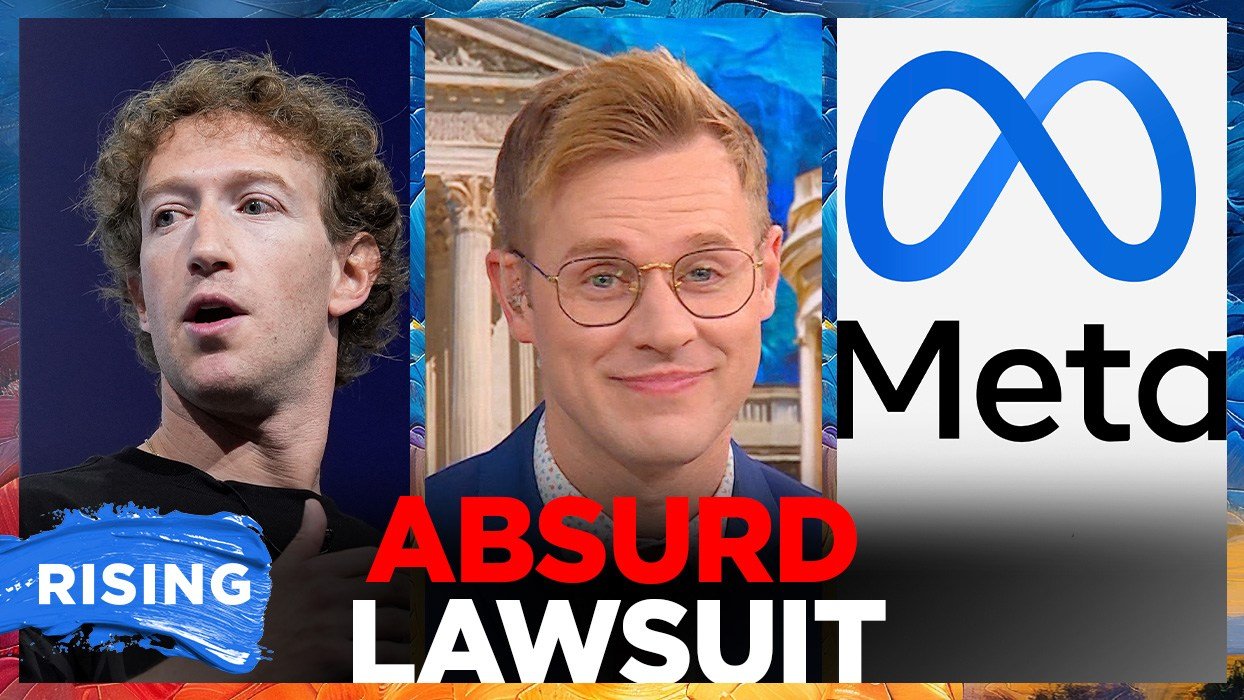
In a landmark legal move, Meta has agreed to pay $17.1 billion to settle a multi-state lawsuit alleging that its social media platforms, including Facebook and Instagram, are designed to addict young users and cause them harm. The settlement, announced amid intense public scrutiny, marks one of the largest payouts in tech litigation history.
Critics, however, see this as a politically motivated victory by state attorneys general who have long targeted Mark Zuckerberg as a public enemy. The claims of widespread harm to children remain highly contested, with many experts arguing that the evidence is mixed at best. The settlement, they argue, is less about protecting kids and more about imposing government control over online speech.

First Amendment Concerns
At the heart of the lawsuit are allegations that Meta's features—like recommendation algorithms, likes, and photo filters—are intentionally addictive and harmful to teens. But as legal scholars point out, these features are forms of expression protected by the First Amendment. Young people, too, have free speech rights, and the government cannot restrict their access to content based on speculative harms.
The states attempted to sidestep the First Amendment by arguing that it's the platform's design, not the content itself, that causes harm. This distinction, however, is legally dubious. As the settlement details show, the arguments rely on cherry-picked data and vague definitions of "harm."
Questionable Evidence
One particularly weak claim involves Instagram's photo filters, which the states say damage teenage girls' self-esteem by making others look more attractive. Such assertions, while popular in the media, lack rigorous scientific backing. As Elizabeth Nolan Brown of Reason notes, "The states argue that Meta was 'deceptive' by not telling people that social media would harm them. But given what we actually know, it would be deceptive for Meta to say that it would."
This settlement may set a dangerous precedent, where governments can compel tech companies to admit fault without clear evidence, effectively regulating speech under the guise of consumer protection. This is part of a broader trend in which both parties appear to embrace state control, undermining free market principles.
Political Motivations
The case has become a political football, with politicians from both sides using Meta as a scapegoat for broader societal concerns about social media. The settlement, while financially significant for Meta, is a strategic retreat to avoid an unpredictable trial. Yet, it raises the question: are we willing to sacrifice constitutional protections to appease political narratives?
As the debate over wealth taxes and billionaire influence heats up, this settlement could embolden regulators to pursue similar actions against other tech giants. The underlying message is clear: the government is willing to use its power to silence unpopular speech, even if it means disregarding the evidence and the First Amendment.
For now, Zuckerberg's company has paid a hefty price to avoid further legal battles, but the broader implications for free expression and parental autonomy remain troubling. As this saga unfolds, it's crucial to remember that the supposed harms to children are far from proven, and the rush to regulate may do more damage than good.