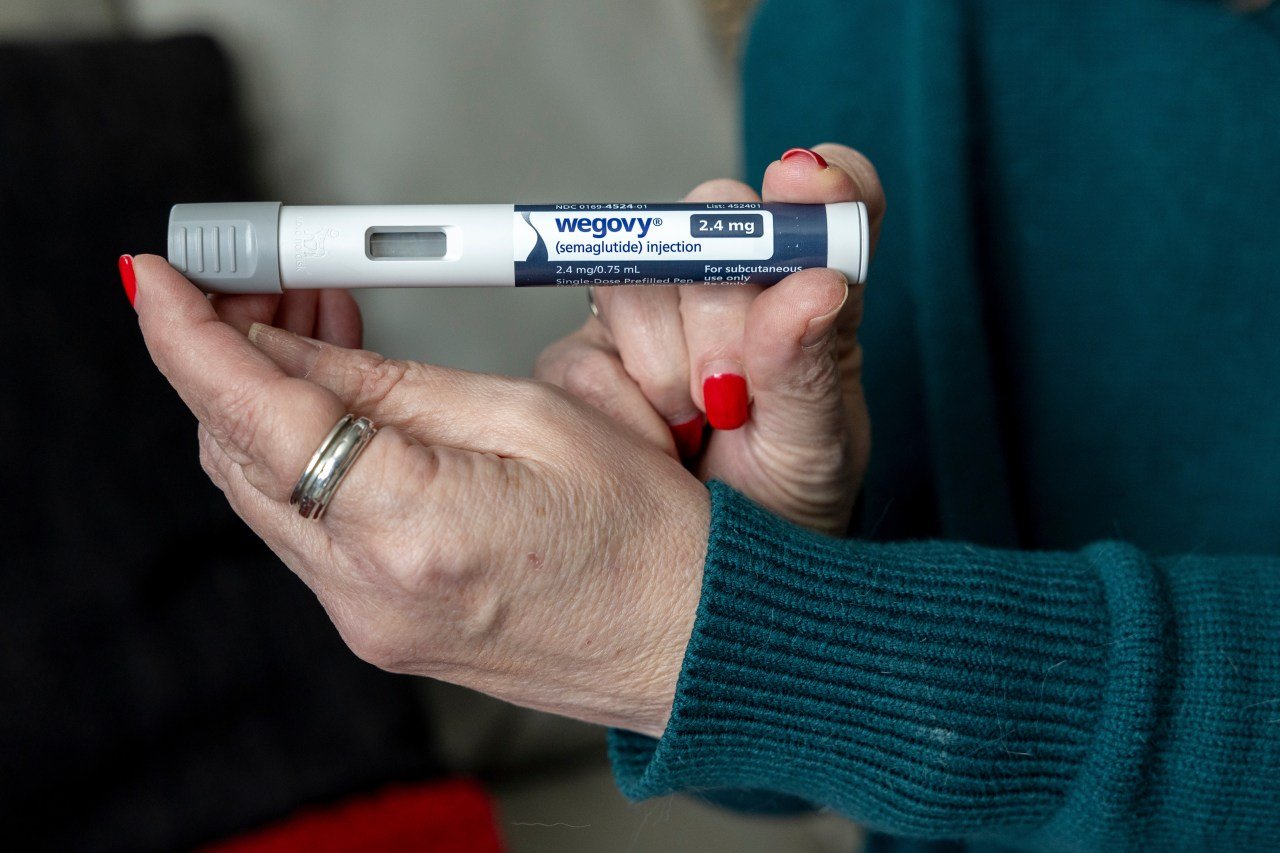
Starting Wednesday, the federal government is rolling out a temporary program that slashes the cost of some GLP-1 weight loss drugs to $50 a month for certain Medicare and Medicare Advantage beneficiaries. Known as the Medicare GLP-1 Bridge, the initiative runs through the end of 2027 and marks the first time most older adults can get these expensive medications covered by insurance solely for weight loss.
Dr. Mehmet Oz, the administrator of the Centers for Medicare & Medicaid Services, framed the program as both immediate relief and a data-gathering exercise. “The sheer cost of these medications is a huge barrier to access,” he said. “That ends today.” However, the program does not apply to those already receiving GLP-1s for conditions like diabetes or sleep apnea, as those patients typically get coverage through Part D.
Who Qualifies for the $50 Monthly Rate
To be eligible, beneficiaries must have Medicare drug coverage and a body mass index of 35 or higher, or a BMI of 27 or higher along with a qualifying health condition such as a prior heart attack, stroke, or prediabetes. BMI is measured at the start of therapy, so even those who have since lost weight can qualify if they meet the threshold when beginning treatment. CMS estimates at least 10 million of the 70 million Medicare enrollees are overweight or obese, but the actual number who will benefit remains unclear. Oz declined to speculate, saying data from the program will reveal uptake.
Patients with sleep apnea, diabetes, or fatty liver disease cannot use the Bridge program, but their Part D plans may cover GLP-1s separately for those diagnoses. The first step for potential candidates is to contact a healthcare provider, who must write a prescription and complete a prior authorization form.
Which Drugs Are Covered
The program includes Eli Lilly’s Foundayo tablets and Zepbound KwikPens, as well as Novo Nordisk’s Wegovy injections and tablets—all FDA-approved for weight loss. The $50 monthly copay is fixed regardless of dosage, but it does not count toward insurance deductibles or out-of-pocket maximums because Medicare, not the Part D insurer, subsidizes the prescription.
This approach has drawn scrutiny. As noted in our analysis of Dr. Oz's Medicare GLP-1 Bridge, the program functions as a subsidy rather than a price control, leaving questions about long-term sustainability.
Political and Policy Implications
The Bridge program is set to expire on December 31, 2027, and Congress has not authorized permanent Medicare coverage for weight loss drugs. CMS could pursue an alternative pilot called BALANCE, which was indefinitely delayed earlier this year due to insurer reluctance. Oz told reporters that the agency will “carefully track participation and outcomes” to decide on an extension or a different approach. He added that a permanent federal law is “not essential right now” but is “something for Congress to debate amongst themselves.”
The political stakes are high. The program’s launch comes amid broader debates over drug pricing and Medicare negotiation powers. Meanwhile, pharmaceutical companies are lobbying Congress to weaken Medicare’s negotiation authority after losing a Supreme Court bid.
Patient Stories Highlight Access Divide
For some, the program is life-changing. Gloria Dralla, a 78-year-old California resident, told the AP she lost about 40 pounds after buying lower-cost Wegovy in Europe. “This drug should be made available at a reasonable price for everybody who’s got weight loss problems,” she said.
But others face frustration. Katie Smith, 71, of Virginia, has a BMI of 33 but is unsure if she meets the additional health condition requirement. A spinal cord injury in her 20s limits her mobility and ability to exercise. She was quoted $700 a month for the drugs—far beyond her reach. “I cannot tell you how frustrated I am,” she said. “I have the drive and I have the willingness and I have the motivation, but I have not been able to lose weight in all the conventional ways.”
The Bridge program may provide a path for some, but its narrow eligibility and temporary nature leave many older Americans waiting and wondering what comes next.