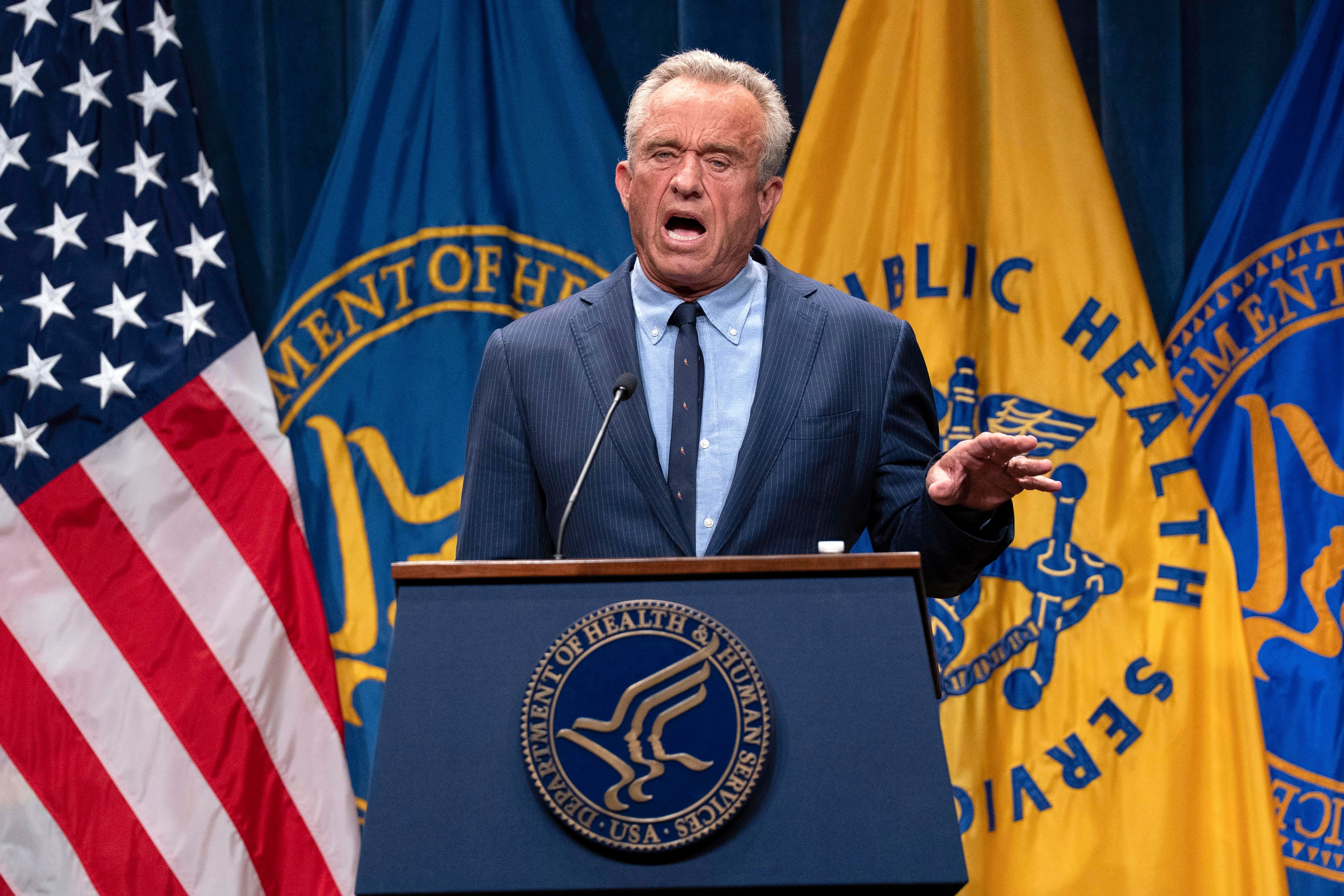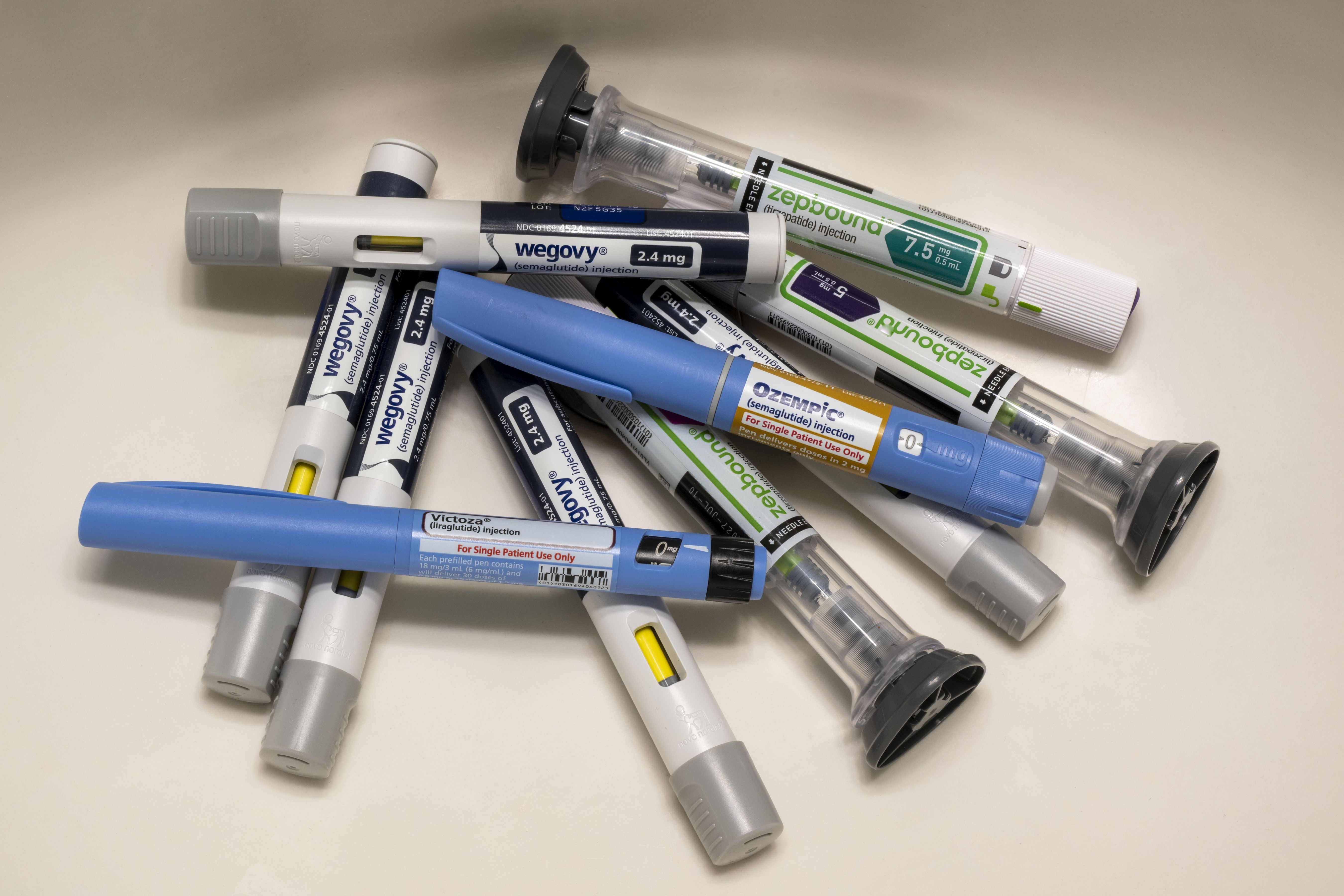
Earlier this year, Dr. Mehmet Oz, head of the Centers for Medicare and Medicaid Services, announced that eligible Medicare Part D beneficiaries can access select GLP-1 obesity medications for $50 per month starting July 1. The Medicare GLP-1 Bridge program, running through 2027, covers drugs like Wegovy, Zepbound, and Foundayo for weight reduction.
For seniors and Americans with long-term disabilities battling obesity, this is a welcome development. Obesity is a serious chronic disease linked to diabetes, heart disease, sleep apnea, and other costly conditions. Patients should not be locked out of modern treatments because Medicare rules lag behind innovation.

But we must be clear about what this policy actually is. It is not a normal market price for GLP-1s, nor proof that Washington has found the correct price for obesity medicines. It is a temporary subsidy program for Medicare Part D patients. CMS says the Bridge operates outside normal Part D payment flows: pharmacies collect the $50 copay, a central processor handles payments, and manufacturers provide eligible drugs at a net price of $245 per monthly supply.
In short, taxpayers are footing the bill, but it's a bet that costs will be lower than emergency care for obesity-related conditions. It's a good bet, but it's not a model for price controls. Competition and direct access are driving prices down, not government mandates. CMS can create this program because market forces have already reduced GLP-1 prices significantly.
Consider the direct-to-consumer market. In 2024, Lilly launched Zepbound single-dose vials via self-pay at $399 per month for 2.5 mg and $549 for 5 mg, cutting out third-party costs. By end of 2025, consumer prices fell up to 27%. NovoCare Pharmacy began offering Wegovy to cash-paying patients at $499 per month, with discounts to $199 for the first two fills, then $349. Pricing will only improve.
This is sustainable affordability: more options, direct access, pressure on middlemen. More companies compete for patients. The danger is policymakers draw wrong lessons from Oz's Bridge—that government can and should set prices. This matters as Most-Favored-Nation drug pricing keeps returning to debate. It sounds attractive, promising Americans the lowest prices abroad, but it imports foreign price controls. CMS describes the model as requiring no more than the lowest price manufacturers receive in developed countries for certain Medicare drugs.
Quick fixes have long-term costs. If the government turns every breakthrough into a price-setting exercise, investors and innovators will respond. Fewer dollars will flow into next-generation obesity, diabetes, cancer, or cardiovascular treatments. Consumers won't benefit if today's discount comes at the cost of tomorrow's cure.
The Medicare GLP-1 Bridge is essentially a monthly subsidy for enrollees, a worthwhile trial for Part D patients who need access now. But the administration should not make it a permanent model for government price-setting. As Vermont's recent ban on paraquat shows, states are increasingly wary of health risks, but federal price controls could stifle innovation. Meanwhile, Americans are already feeling financial strain from surging gas prices, and adding drug price controls could further disrupt markets. The Bridge is a short-term fix, not a blueprint.