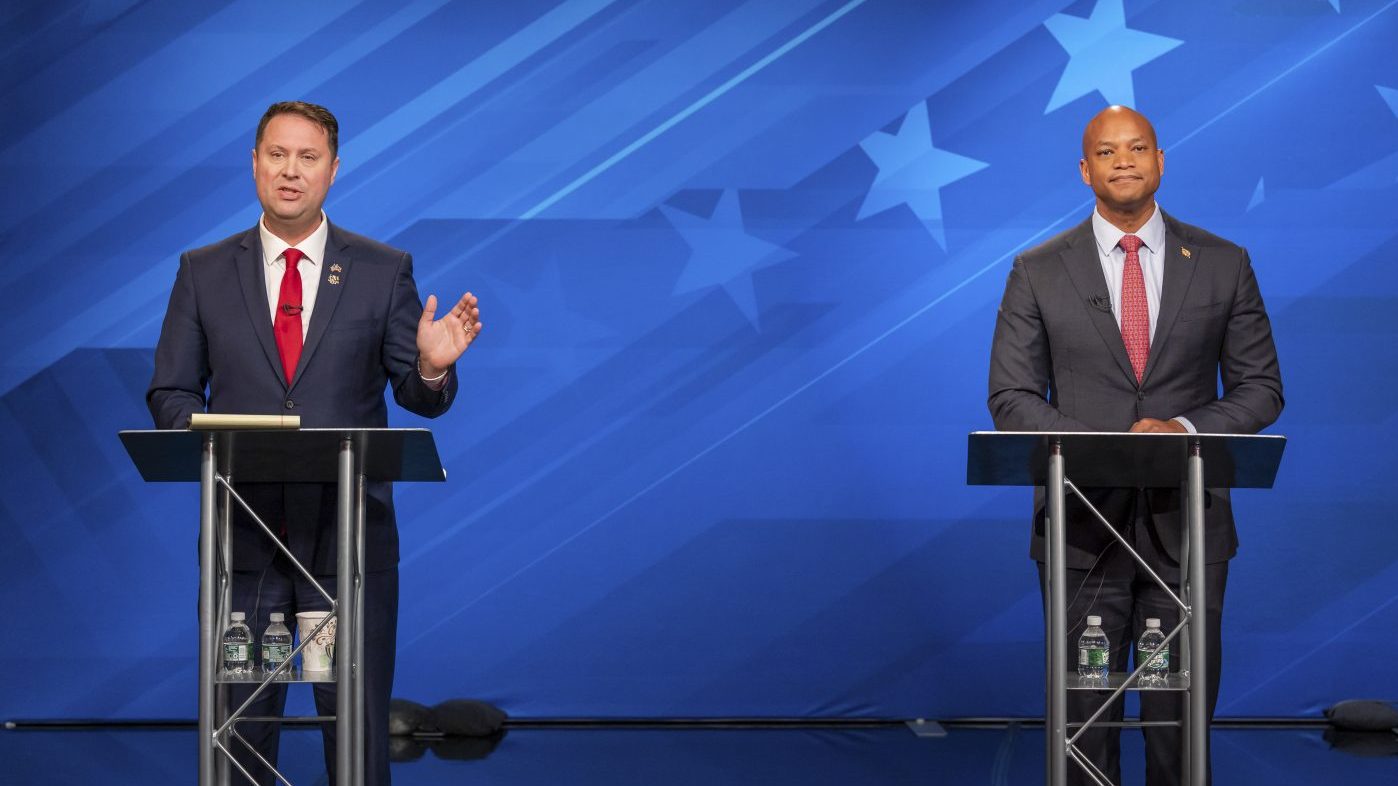
Maryland's political landscape is set for a high-stakes rematch as former state Delegate Dan Cox (R) secured the Republican gubernatorial nomination Tuesday night, according to projections from Decision Desk HQ. Cox will face incumbent Governor Wes Moore (D) in the general election this November, reprising their 2022 contest.
Cox captured 45.2% of the vote in a three-way GOP primary, outpacing businessman Ed Hale Sr., who came in second, and retired Air Force veteran John Myrick, who placed third. While Cox won several counties across the state, Hale dominated along the Pennsylvania border, including densely populated Baltimore County. Hale, a lifelong Democrat who switched party affiliation to run as a Republican, led the field in fundraising but failed to translate that financial advantage into a victory.
In a statement to the Baltimore Banner early Wednesday, Cox took aim at Moore, arguing the governor cannot escape accountability for state-level issues. “He can’t get away with blaming the federal government for what he’s not done for Maryland,” Cox said. “This isn’t a federal race. I know Wes Moore would like to blame the feds constantly. But the fact of the matter is Wes Moore controls the governor’s office. Wes Moore has a super majority in the legislature, and Wes Moore is doing nothing about his problems right here in this state.”
Cox’s nomination sets the stage for a deeply partisan battle. He was a prominent figure in efforts to challenge the 2020 presidential election results and helped organize buses for protesters who later stormed the U.S. Capitol on January 6, 2021. His previous run against Moore in 2022 ended in a decisive loss, with Moore becoming Maryland’s first Black governor. This time, Cox will likely rely on support from former President Donald Trump, who endorsed him in the primary and has been active in state races nationwide, including backing John James in Michigan’s gubernatorial contest.
On the Democratic side, Moore cruised to renomination with 87.8% of the vote, winning every county in the state against physician Ed Felber, his sole primary challenger. Moore’s campaign emphasized a forward-looking agenda in a statement after the results. “We have the opportunity to push back against Washington and the reckless policies that have made everything from gas to groceries more expensive for hard-working people,” Moore said. “We must keep growing our economy, driving down crime, and investing in our public schools, because the past several years have shown us what happens when we work together to do just that. There is more work to do, but what we’ve done together is just the beginning of what it looks like to build a Maryland that leaves no one behind.”
The general election will test whether Cox can broaden his appeal beyond the GOP base, especially given his association with election denialism and the January 6 events. Moore, meanwhile, will defend his record on economic growth, public safety, and education reform amid criticism from the right. The race also unfolds against a backdrop of national political divisions, as seen in controversies like the Postal Service’s plans to block mail ballots in states refusing voter data and the Trump-backed Great American State Fair facing boycotts.
With Maryland’s solidly blue lean, Moore enters the race as a heavy favorite, but Cox’s ability to rally conservative voters and tap into discontent over inflation and crime could make the contest more competitive than expected. The rematch promises to be a bellwether for Democratic and Republican strategies in a state that has increasingly trended leftward.