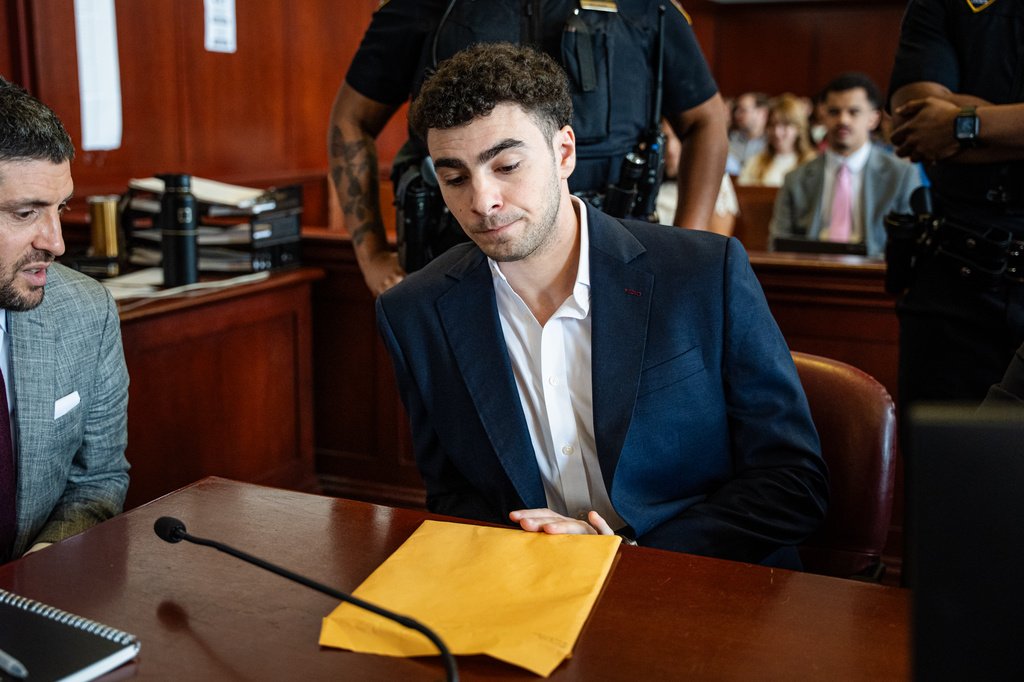
Luigi Mangione's notebook, recovered after his arrest, contains writings that his legal team may use to argue he was suffering from extreme emotional disturbance when he allegedly shot and killed UnitedHealthcare CEO Brian Thompson in 2024. The defense strategy aims to reduce murder charges, not secure an acquittal, legal experts say.
The Affirmative Defense Strategy
NBC News legal analyst Danny Cevallos told NewsNation that Mangione's lawyers are pursuing an "affirmative defense" under New York law. This approach, known as extreme emotional disturbance, does not erase liability but can downgrade intentional killing from second-degree murder to first-degree manslaughter. "It is mitigation, not acquittal," Cevallos said.

This legal tactic requires the defendant to prove they suffered a disturbance that caused a loss of self-control, with a "reasonable explanation or excuse" for the reaction. Cevallos noted that a jury must find the response understandable, not just factually present.
What the Notebook Reveals
Authorities released excerpts from Mangione's notebook, showing he allegedly wanted to kill Thompson to "prove a political point about the health insurance industry" and to "extract human life force for money." One entry read: "So, say you want to rebel against the deadly, greed-fueled health insurance cartel. Do you bomb the HQ? No. Bombs=terrorism." The notebook also referenced earlier plans for a bombing to generate headlines.
Forensic psychology researcher Alexandra (AJ) Greer, who studies psychopathy and violent crime, said the manifesto could support a psychiatric defense if it shows disorganized thinking or delusional beliefs. "Theoretically, it could be used to support the existence of other mental health disorders, but the defense would need additional evidence and case law," Greer said.
Health Issues and Chronic Pain
Mangione had undergone difficult spinal surgery before the killing and posted on Reddit about his recovery, urging others to resist doctors who recommended pain management. He also reported severe brain fog and sleep problems, which he said hurt his academic performance. Chicago attorney Tamara Holder noted that chronic pain and failed surgeries could lead to depression or PTSD, potentially underpinning a psychiatric defense. "It will be interesting to see what's next," she said.
For more on the legal strategy, see Mangione Lawyers Plan Psychiatric Defense in CEO Murder Case.
Challenges and Court Decisions
Cevallos emphasized that extreme emotional disturbance defenses are difficult to win, but they aim to elicit mercy for intentional killers. Meanwhile, defense attorney Karen Agnifilo argued that unsealing Mangione's records prejudiced his federal case, where such a defense is unavailable. Prosecutors countered that Thompson's family—including his 78-year-old grandmother—deserves to know what led to his death. The judge ordered the defense to release the information by Thursday.
A federal judge earlier dismissed the murder charge on technical grounds, effectively barring the death penalty despite the Trump administration's push for execution. Mangione still faces state charges that could bring life in prison and federal stalking allegations. He has pleaded not guilty in both cases.
This case highlights broader tensions over healthcare industry anger and mental health defenses. For context on political reactions, read Trump's Iran Deal Defense Sparks Fury as Hawks Cry 'Surrender'.