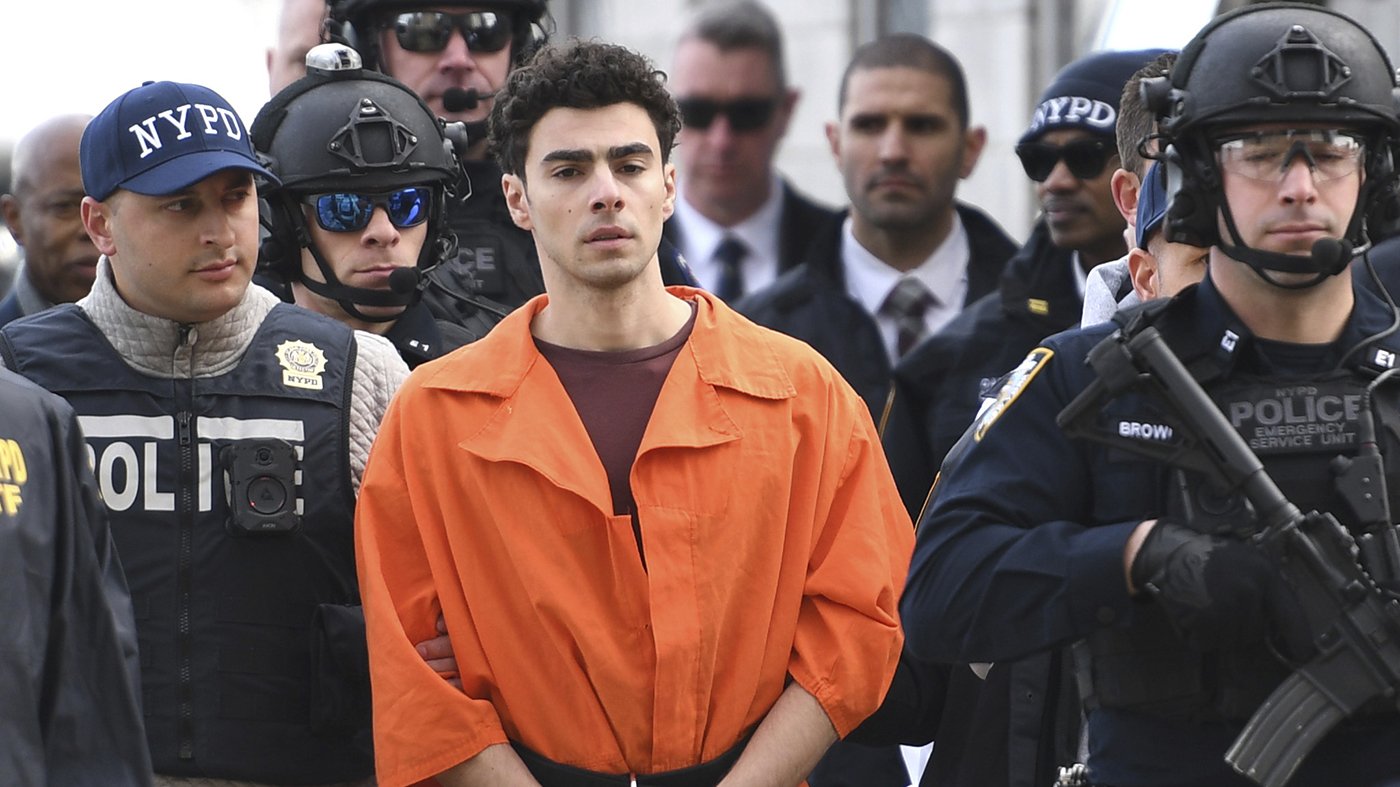
Luigi Mangione, the 28-year-old accused of fatally shooting UnitedHealthcare CEO Brian Thompson outside a Manhattan hotel in 2024, is set to mount a psychiatric defense in his state murder trial, a New York judge disclosed Wednesday.
Judge Gregory Carro of the New York State Supreme Court announced that Mangione’s legal team had formally notified the court of their intention to argue that their client was suffering from an “extreme emotional disturbance” at the time of the alleged crime. Under New York law, this defense can reduce murder charges or lead to commitment to a psychiatric facility rather than prison if convicted.
The disclosure came during a court hearing, two weeks after a sealed proceeding in Carro’s chambers at the request of Mangione’s attorneys. The judge indicated he would unseal records related to that hearing and the defense motion, though no timeline was provided.
Mangione, originally from the Baltimore area, has pleaded not guilty to both state and federal charges stemming from the December 2024 shooting of Thompson, 50. Prosecutors allege the killing was part of a broader grievance against the health insurance industry, noting that words like “delay,” “deny,” and “dispose”—language commonly associated with insurance claim denials—were found written on ammunition at the scene.
The case has drawn intense political and media scrutiny, particularly amid ongoing debates over healthcare reform and corporate accountability. The Justice Department initially sought the death penalty, but a federal judge later dismissed some charges, effectively barring capital punishment if Mangione is convicted in federal court.
Mangione’s attorneys declined to comment on the specifics of the psychiatric defense, but legal experts note that such arguments are rare in high-profile murder cases and often hinge on expert testimony about the defendant’s mental state. The defense is expected to present evidence that Mangione’s actions were driven by a temporary but severe emotional breakdown rather than premeditation.
The Manhattan District Attorney’s office has not publicly responded to the psychiatric defense notice. The case continues to unfold against a backdrop of broader political battles, including debates over defense spending and healthcare policy, as seen in recent congressional disputes over funding priorities. Meanwhile, the trial’s timing could intersect with other major political events, such as ongoing negotiations over the federal budget and defense authorization bills.
As the legal process moves forward, the case is likely to remain a flashpoint for discussions about mental health, corporate power, and the limits of criminal liability. The next hearing is expected to address procedural matters, including the unsealing of court records and scheduling of expert evaluations.