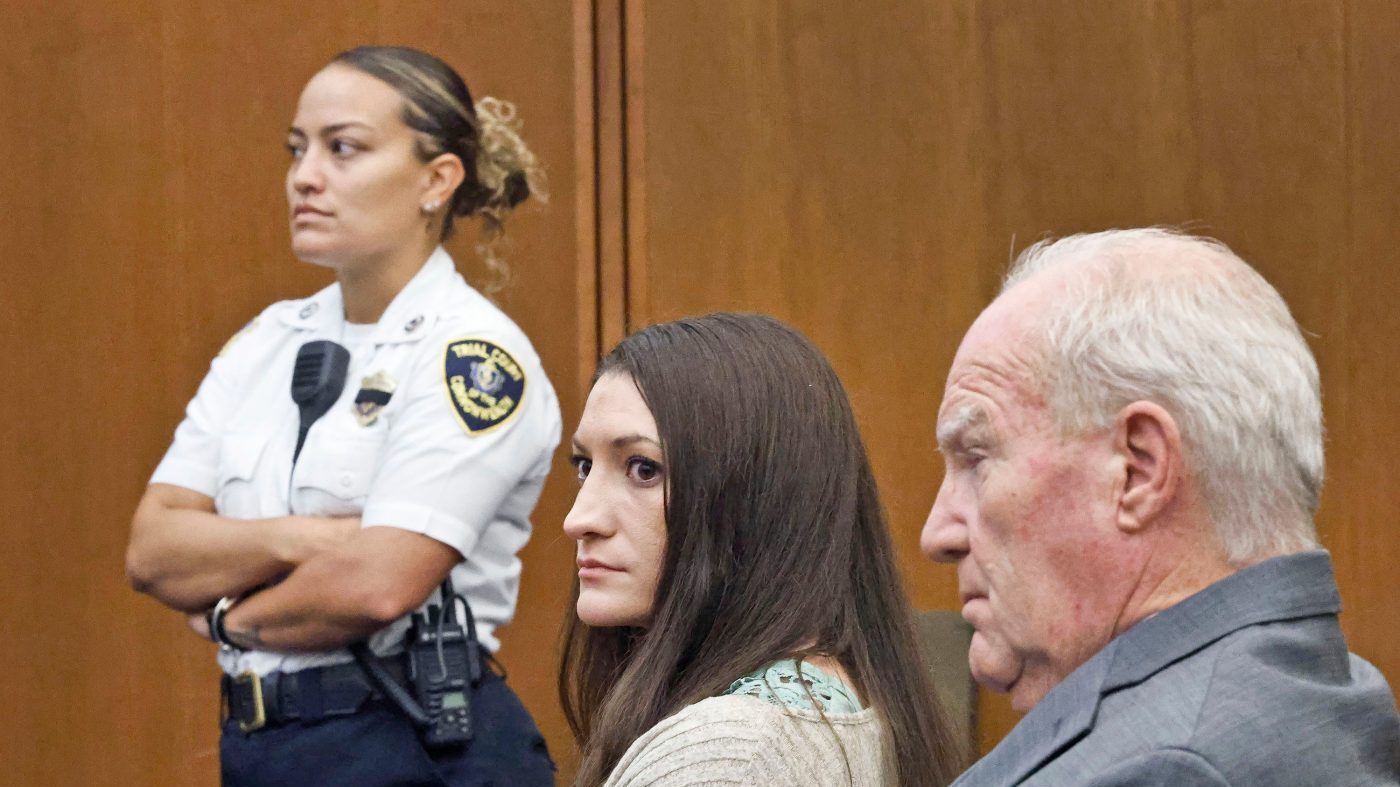
The lone juror who prevented a unanimous guilty verdict in the Lindsay Clancy murder case is speaking out, disputing characterizations from fellow jurors and insisting he never wavered in his belief that she was criminally responsible.
Michael Desronvil, the holdout juror, told NewsNation in a statement: “I didn’t have any doubts. As I tried to explain different possible theories during deliberation, I kept getting cut off as if I had doubts based on the evidence present. Based on all the physical evidence, key witnesses, and what the prosecution presents, I thought it was enough proof that she knew exactly what she was doing and planned.”
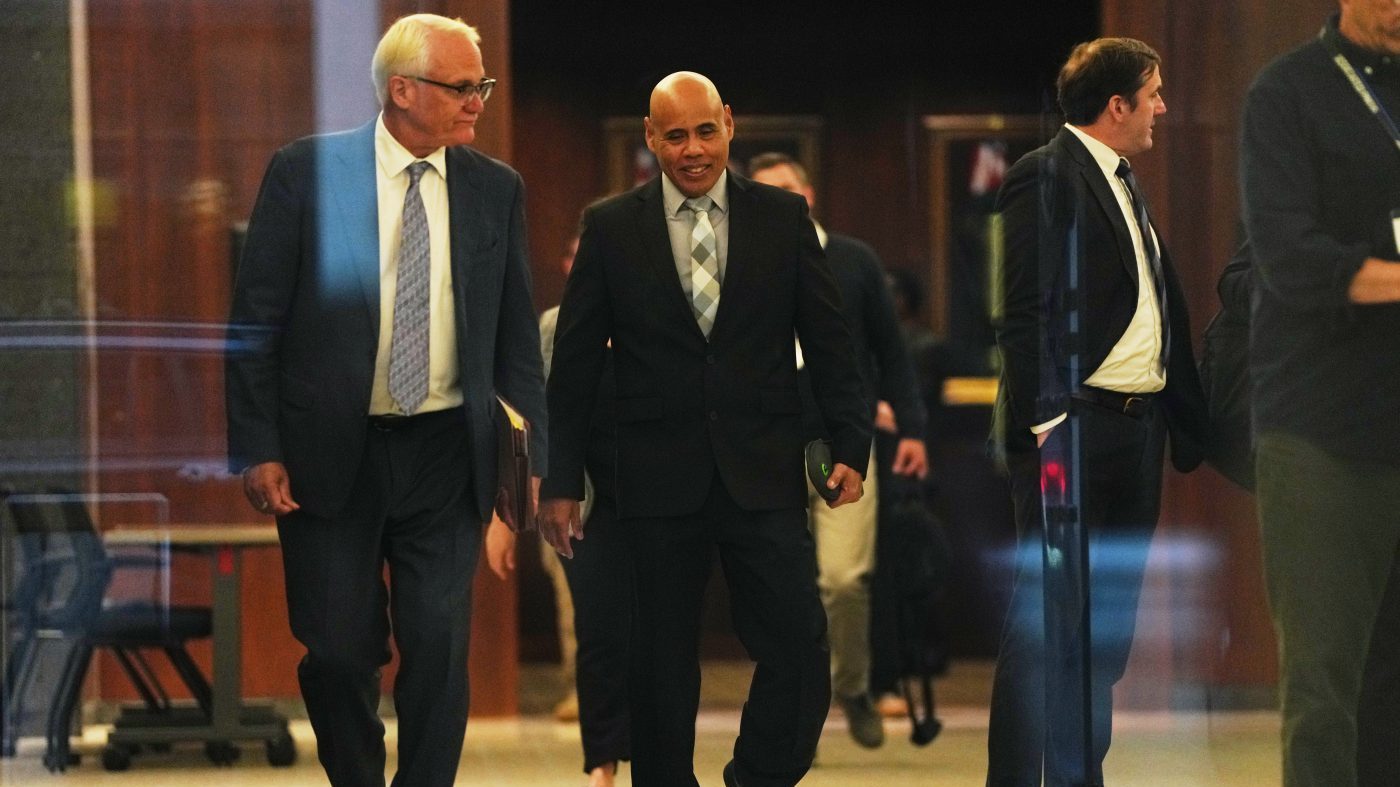
His comments come after jury foreperson Roni Carlson told NBC 10 Boston that Desronvil “admitted he had reasonable doubt” but allegedly refused to explain his reasoning. Carlson also sent a note to the judge expressing concern that Desronvil was not correctly applying the legal standard for reasonable doubt. Other jurors accused him of being dismissive during deliberations.
In an interview with Ray Marcel on the streaming series “Fugitive TV,” Desronvil elaborated on his position. Marcel relayed to NewsNation’s Chris Cuomo that Desronvil “felt that she was sane when she did it,” and that he “from day one, always felt that she was guilty, and he never displayed or said anything about reasonable doubt.”
Deliberations turned heated
Desronvil described tense exchanges in the jury room, with members split over whether Clancy should be found not guilty by reason of insanity. According to Marcel, the initial vote showed eight jurors favoring an insanity acquittal. By the end, only Desronvil and one other juror held out for a guilty verdict, but that second juror ultimately switched, leaving Desronvil as the sole obstacle.
“He felt that she was sane by the preparation she did,” Marcel said. “The preparation showed that she was sane and knew what she was doing, pretty much knew right from wrong, before she did what she did.”
Clancy’s defense attorney, Kevin Reddington, had asked Judge William Sullivan to remove Desronvil from the jury, arguing he was not following the law on reasonable doubt. The judge denied the request, and deliberations continued, eventually resulting in a mistrial.
Public backlash and legal representation
Since the mistrial, Desronvil has faced intense public scrutiny. His address and phone number were doxxed, and he has received death threats. Marcel condemned the reaction, saying, “No juror should be put to the forefront like that, because it’s their civic duty to do that, and they should be protected… He never asked for any of this whatsoever.”
Edward Andrew Paltzik, a defamation and media law attorney, announced Thursday that he is representing Desronvil, signaling potential legal action over the public exposure.
The case has drawn national attention, with Florida Governor Ron DeSantis offering “asylum” to the juror amid the scrutiny. Meanwhile, Clancy’s defense team is weighing retrial strategy after the hung jury, and her lawyer has even urged President Trump to consider a pardon.
The case has also sparked debate over jury secrecy and the psychological toll on jurors in high-profile trials. Patrick Clancy, the father of the victims, has broken his silence, leaning on the memory of his deceased children for strength as the legal process continues.