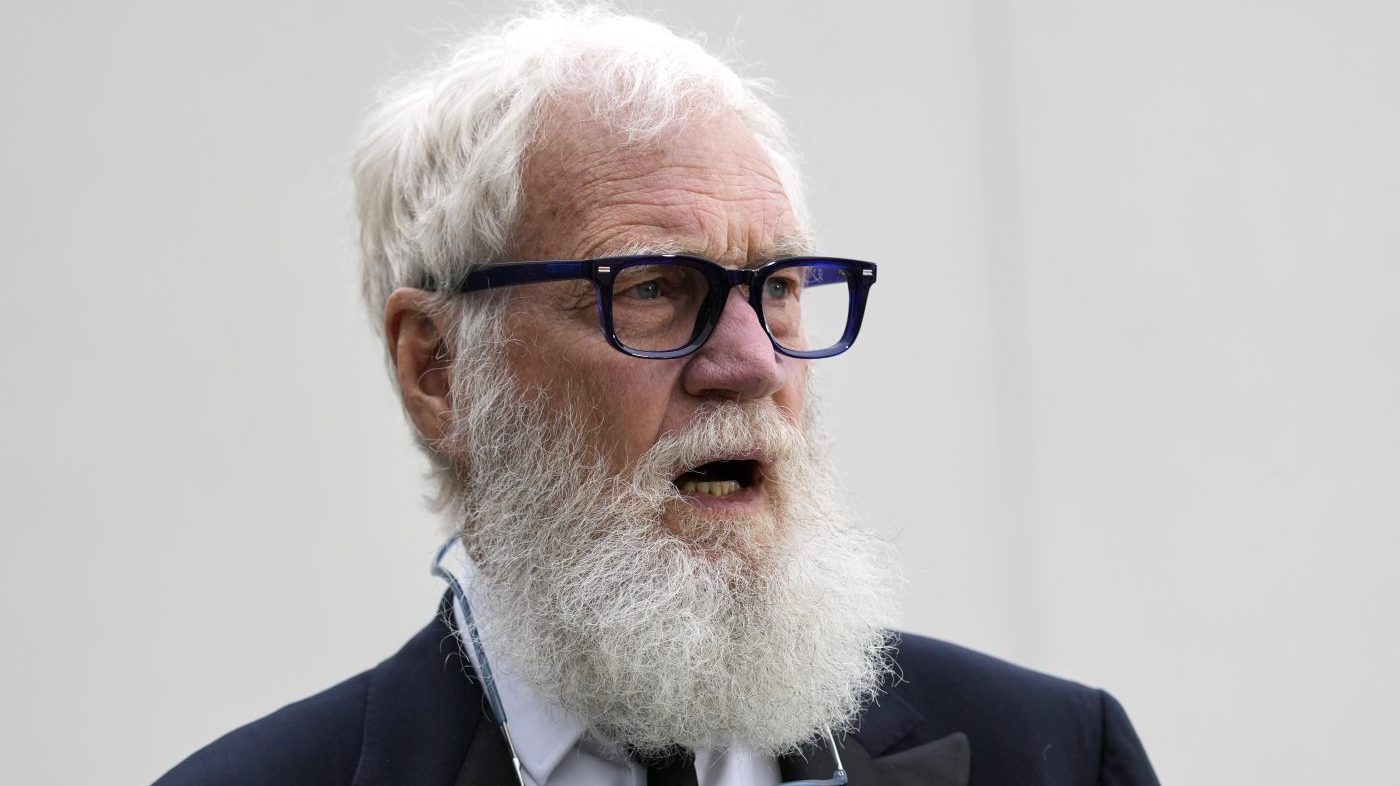
David Letterman, the legendary host who helmed CBS's "The Late Show" from 1993 to 2015, is sounding the death knell for late-night television. In a blistering interview with The New York Times, Letterman said he would be "surprised" if the genre's remaining programs last "more than a year or so." His comments come as the network prepares to pull the plug on Stephen Colbert's iteration of the show in May, a move CBS has insisted was "purely a financial decision."
But Letterman isn't buying that explanation. "They're lying," the 79-year-old told the Times. "They're lying weasels." He argued that the real motive behind the cancellation was the multibillion-dollar merger between Paramount Global, CBS's parent company, and entertainment conglomerate Skydance. The deal, approved by President Trump's Federal Communications Commission, effectively sealed Colbert's fate, according to Letterman. "Stephen was dumped because the people selling the network to Skydance said, 'Oh no, there's not going to be any trouble with that guy. We're going to take care of the show. We're just going to throw that into the deal. When will the ink on the check dry?'" Letterman said.
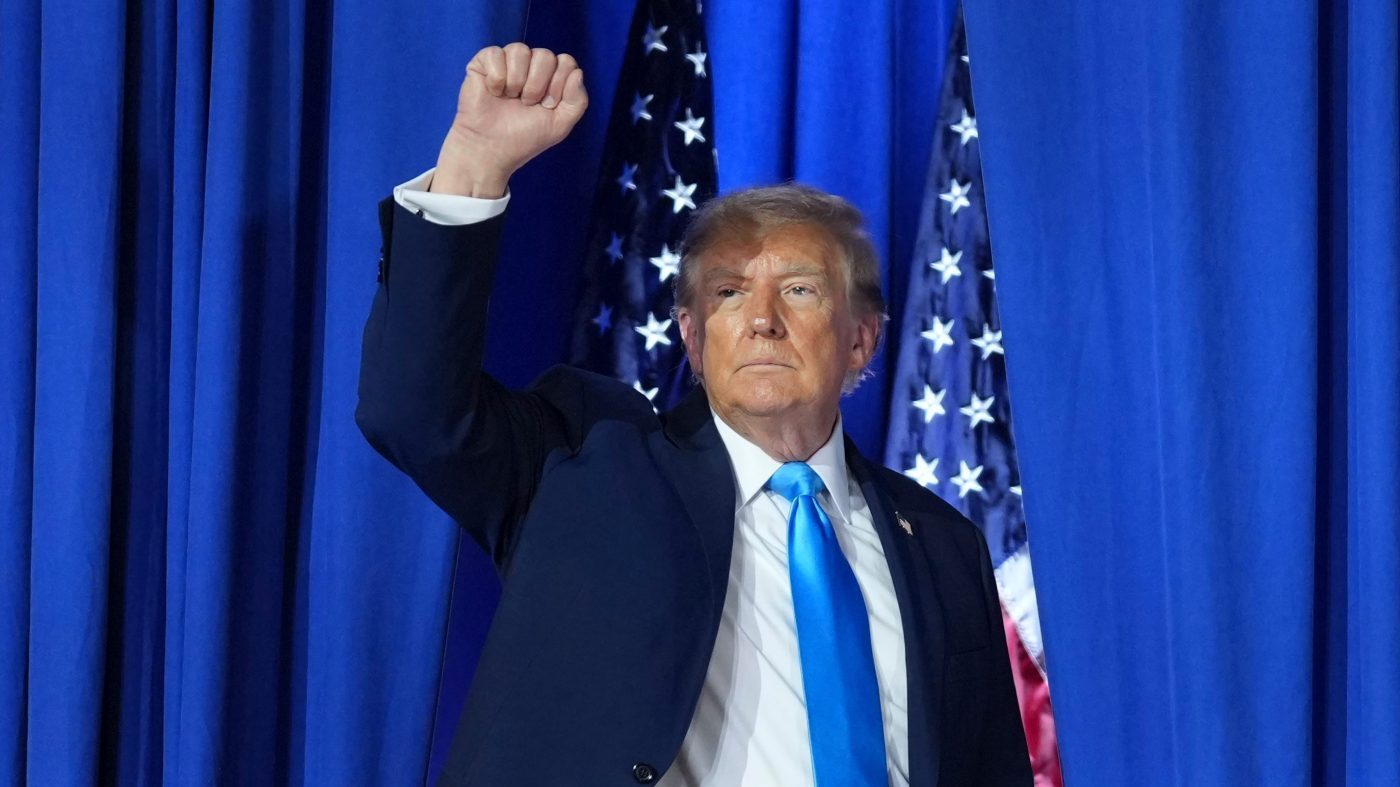
A CBS spokesperson pushed back, telling the Times that ending Colbert's show was "unequivocally a financial decision." But Letterman, who said he was in "disbelief" when he first learned of the cancellation, dismissed that claim. "Then it seemed like a botched holdup," he added. "They don't share the books with me."
The former host's skepticism reflects broader anxieties about the state of network television in an era dominated by streaming and digital media. "All of television seems to have been nicked by digital communication and streaming platforms and on and on. TV may be not the money machine it once was," Letterman said. Yet he mourned the loss of a cultural touchstone: "What about the humanity for Stephen and the humanity of people who love him and the humanity for people who still enjoyed that 11:30 respite?"
Letterman's grim forecast extends beyond Colbert. Noting that ABC's Jimmy Kimmel and NBC's Seth Meyers remain on the air, he said, "We still have Jimmy. We still have Seth. It's not completely dead on arrival, but I would be surprised if it lasts more than a year or so. But it's such an easy soothing format that it's got to stay on." Both Kimmel and Meyers have been frequent targets of President Trump, who has called for their firing over their regular on-air criticism. In a related development, Trump recently blasted Van Jones over a "dictator" label that stung after their criminal justice reform partnership.
Pressed on whether his prediction meant the end of all late-night shows, Letterman clarified: "Well, maybe specific shows." He remains optimistic about the format's resilience, adding, "I don't think it'll ever go away because it's just the best. It's humans talking to humans."
The cancellation of Colbert's show has sparked broader debate about the intersection of politics, media consolidation, and corporate interests. Critics have pointed to the Paramount-Skydance merger as a case study in how billion-dollar deals can reshape the media landscape. Meanwhile, other political figures have weighed in on similar issues, such as Senator Raphael Warnock, who blasted the Supreme Court's Louisiana redistricting ruling as "devastating."
For now, Letterman's words serve as a stark reminder that even the most enduring formats can fall victim to shifting economic and political tides. As he put it, the late-night landscape may be facing its final curtain call.