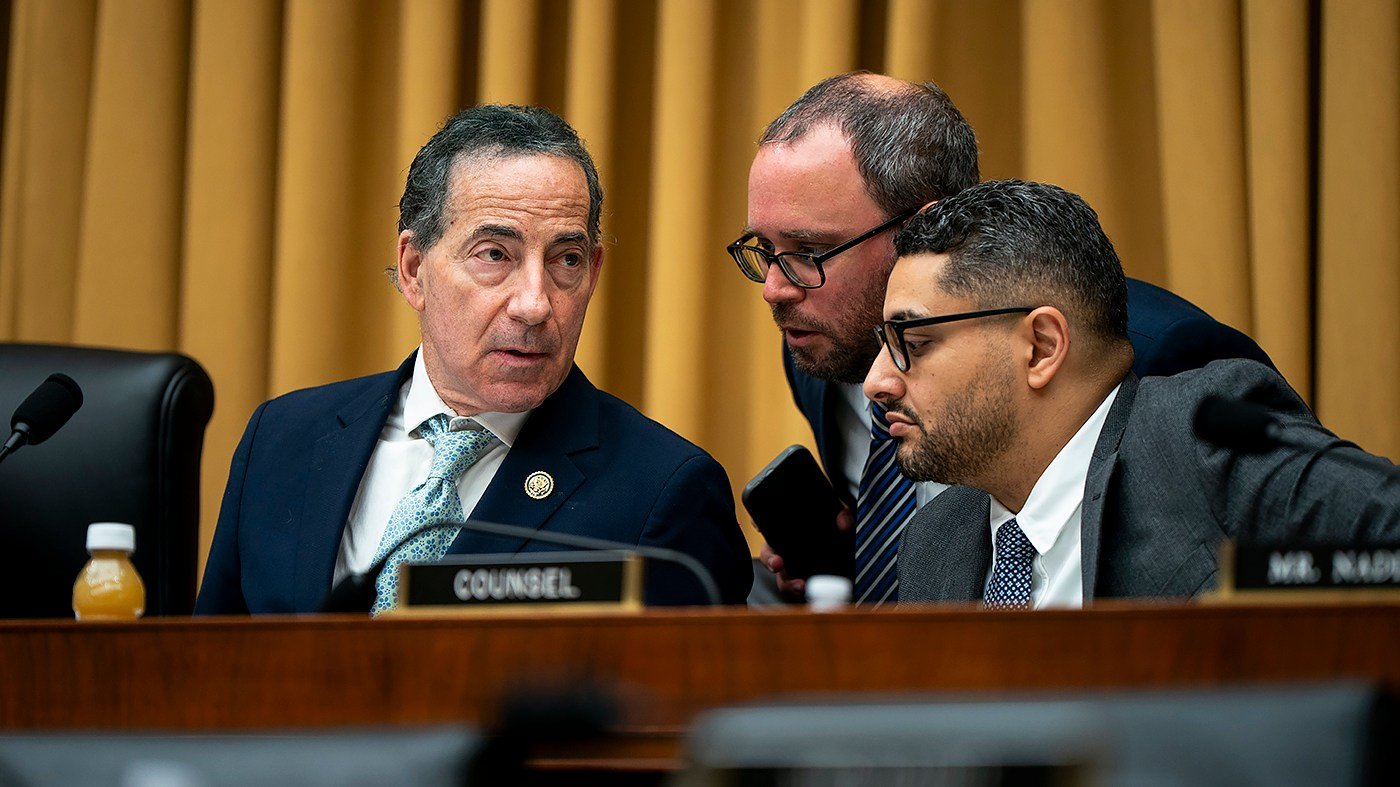
Frustration is boiling over in both parties as a string of high-profile, months-long absences by lawmakers has reignited a long-simmering debate about what happens when members of Congress simply disappear from the Capitol.
The issue has gained new urgency amid reminders that this is one of the oldest Congresses in American history. Sen. Chuck Grassley (R-Iowa), 93, who chairs the Judiciary Committee, even joked about his own mortality over the weekend while discussing his state's gubernatorial race. Rep. Tim Burchett (R-Tenn.) captured the mood, saying, “America is tired of seeing these guys and gals up here that don’t show up and are gone mentally and physically.” Burchett has called for changes to congressional rules on absences and incapacitation.

Yet despite the outcry, only one bill has been introduced this year to address the problem. The legislation, sponsored by Democratic Reps. Seth Moulton (Mass.) and Ritchie Torres (N.Y.), would require lawmakers to disclose any absence longer than 21 days, including the reason and expected duration, with updates every 30 days. The measure has gained little traction, even as Sen. Mitch McConnell (R-Ky.) and Rep. Tom Kean Jr. (R-N.J.) faced scrutiny for their extended health-related absences this summer.
“This institution needs reform. Everyone in America knows that,” Moulton told The Hill.
Absences are nothing new, but the optics are worse
Extended absences are hardly unprecedented. In 2023, then-Sen. Dianne Feinstein (D-Calif.) missed 91 votes, and her declining health fueled calls for her resignation. Former Rep. Kay Granger (R-Texas) missed more than 76% of votes in her final months before her office confirmed she was living in an assisted living facility. And President Biden’s age and health concerns effectively ended his reelection bid in 2024.
This year, Kean’s 116-day absence due to hospitalization for depression and McConnell’s months away after a fall have raised fresh questions about lawmakers’ capacity to serve. The public is clearly unhappy: a Marist poll in May found 8 in 10 Americans support age caps and term limits for Congress, and only 16% approve of how Congress is doing its job.
But meaningful change is hard. Any major overhaul of congressional rules or elections would require a constitutional amendment, a process that has succeeded only 27 times in U.S. history. Burchett has previously pushed for a constitutional amendment on incapacitation, but Moulton and Torres’s bill is the most concrete legislative effort so far.
A 25th Amendment for Congress?
John Martin, a law professor at Quinnipiac University, has proposed a constitutional mechanism to replace a member who cannot discharge their duties. “There presently exist no practical means of ensuring that representation continues undisrupted for affected constituents. This is antithetical to our democracy. And with Congress’s average age on the rise, the problem may only get worse,” he wrote.
Martin suggests borrowing from the 25th Amendment, which addresses presidential incapacity. His plan would allow a lawmaker to temporarily hand over duties to a same-party appointee, let state legislatures remove an incapacitated member, and create a Medical Oversight Board to decide when a member can return. “Why don’t we just have something similar for Congress as we already do for the president?” he asked.
Some political figures want to go further. Kentucky Gov. Andy Beshear (D), a vocal critic of McConnell’s absence, told ABC’s “The View” earlier this month: “We all deserve senators that can actually do their job. And I think it’s fair to say we can now all agree it’s time for term limits for Congress, and I’ll throw it out, for the Supreme Court too.”
What could actually pass?
Proposals that don’t require a constitutional amendment may be more realistic, but they still face an uphill climb. The Duty of Transparency Act, introduced in July, is one such effort. It would mandate disclosure of absences and periodic updates, but it has yet to draw significant support.
Other democracies offer models. In Australia, a seat can be vacated after two consecutive months of absence. Canada can dock salaries for absences over 21 days. Mexico elects alternates for every legislator to step in after an unexcused absence of more than 10 days.
Sen. Ben Ray Luján (D-N.M.), who suffered a stroke in 2022, told The Hill a transparency-focused rule change should be “embraced.” He stressed that sharing what happened with colleagues is “essential and critical.” Whether that sentiment translates into action remains to be seen, but the pressure is building.