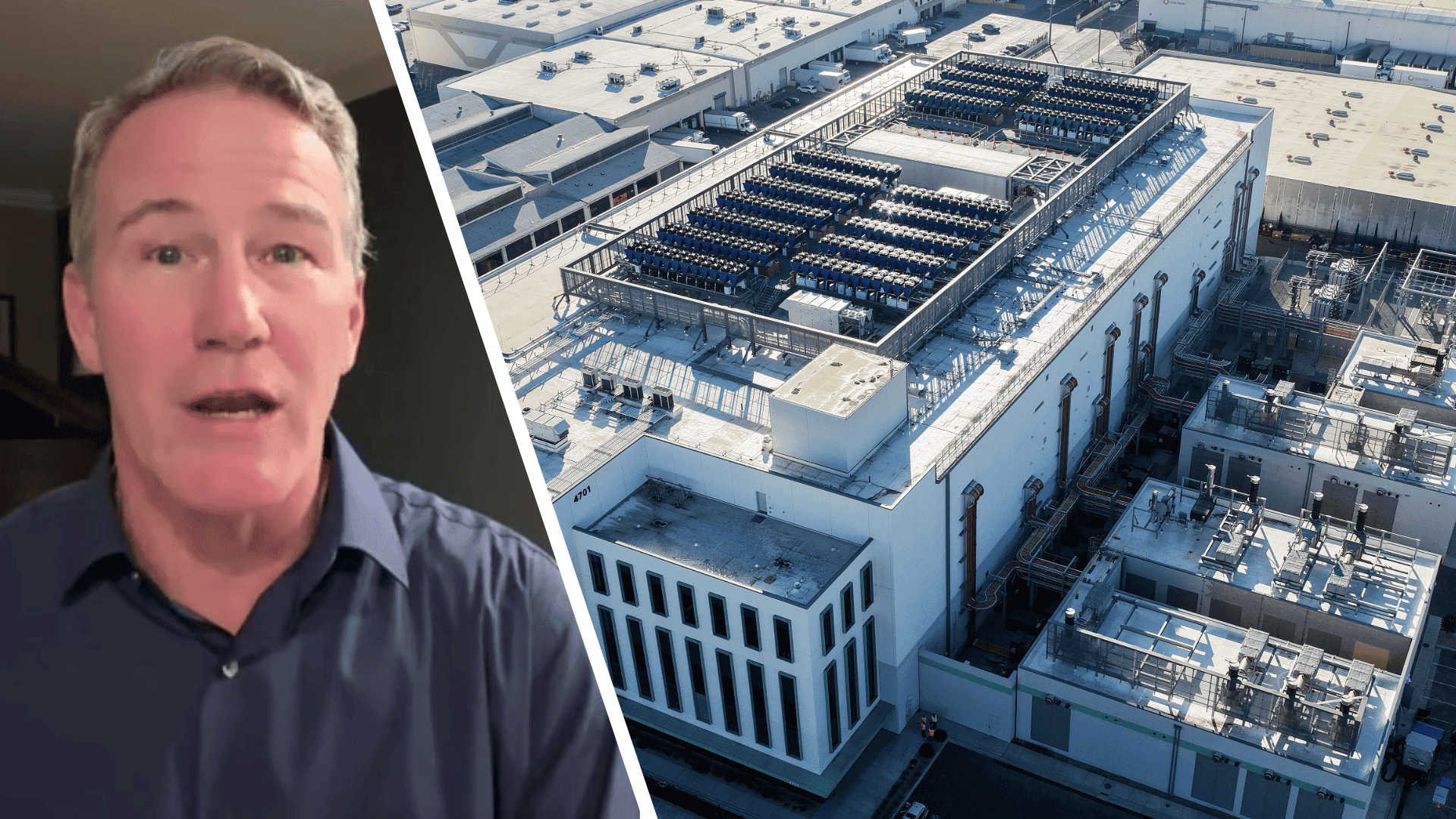
Sen. Jon Husted (R-Ohio) is firing back after Senate Democrats blocked his data center bill, with Minority Leader Chuck Schumer dismissing it as “toothless.” In an interview on NewsNation Prime, Husted defended the legislation and framed it as a critical step toward easing energy prices for American families as the midterm elections approach.
The bill, which aimed to streamline permitting and reduce regulatory hurdles for data centers, was defeated on the Senate floor this week. Schumer argued the measure lacked enforceable standards, calling it a giveaway to tech companies without real consumer benefits. But Husted rejected that characterization, insisting the bill was designed to cut red tape and boost energy supply, which would ultimately lower costs.
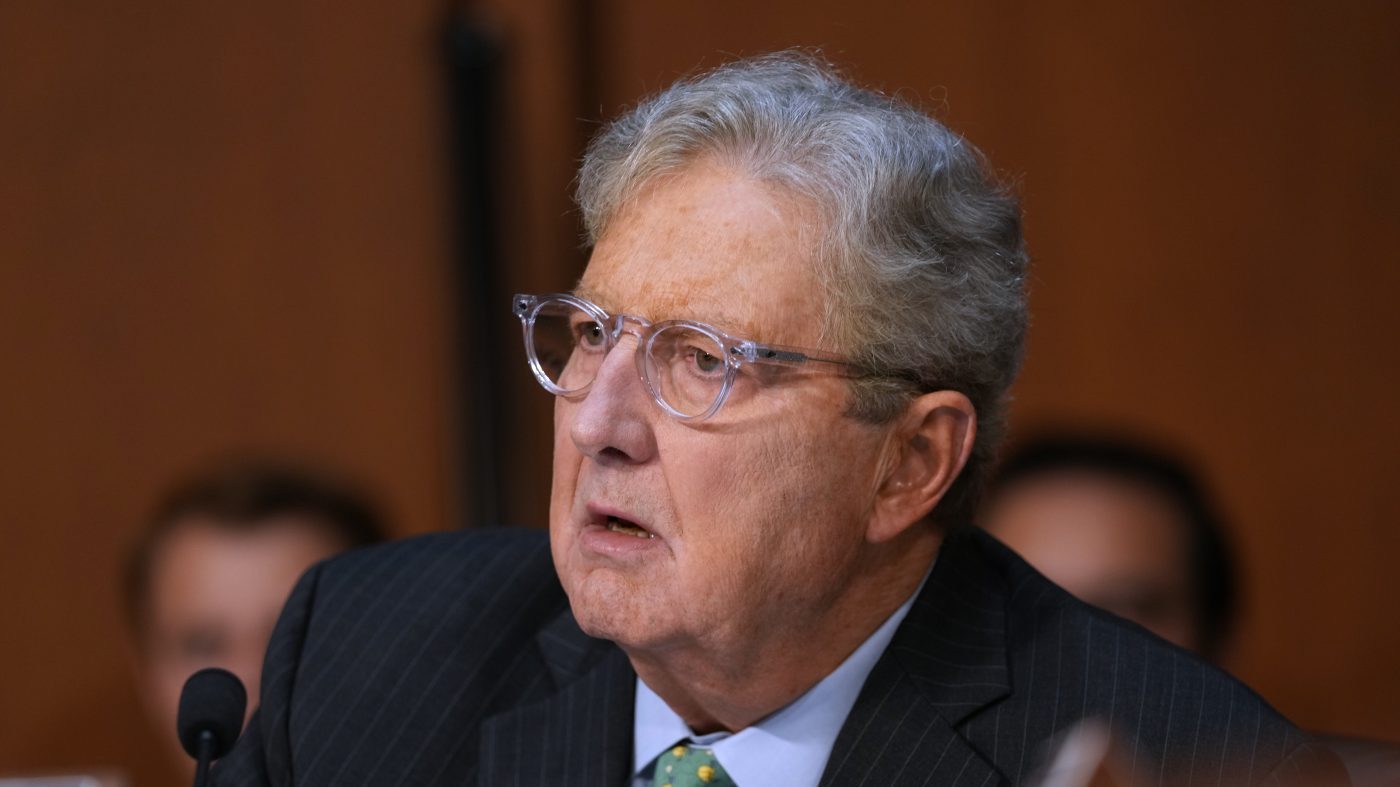
“The idea that this is toothless is just wrong,” Husted said. “What we’re trying to do is get more power online, more efficiently, so that families and businesses aren’t paying skyrocketing bills. That’s not toothless; that’s common sense.”
The clash comes amid growing voter frustration over rising electricity rates, partly driven by the explosive growth of energy-hungry data centers. A recent poll shows voter anger over data center power bills is becoming a potent issue in several battleground districts, putting Republicans on the defensive even as they push for deregulation.
Husted pointed to Ohio as a prime example, where tech giants like Amazon Web Services have announced massive investments. AWS recently pledged $1 billion to ease data center backlash, including water-positive commitments by 2030, but local residents still worry about grid strain and higher utility bills.
Schumer, for his part, has signaled that Democrats are ready to make energy costs a central campaign theme, arguing that GOP proposals favor corporations over consumers. His office released a statement saying the party is “poised to retake the Senate majority in November” by focusing on kitchen-table issues like electricity prices.
Husted fired back, noting that Democrats had offered no alternative. “If they think our bill is toothless, where’s their plan? We haven’t seen one,” he said. “You can’t just block everything and then complain about prices.”
The dispute also highlights a broader battle over permitting reform. A separate, bipartisan permitting bill has been floated in the Senate, but it remains stalled. Husted argued that his bill was a necessary complement, not a substitute, for broader reforms. “We need both,” he said. “We need to speed up approvals for transmission lines and power plants, and we need to make sure data centers aren’t sucking up all the cheap energy.”
With the midterms just months away, the fight over energy policy is intensifying. Husted is betting that voters will reward lawmakers who focus on tangible cost relief. “People don’t care about political theater,” he said. “They care about their monthly bills. That’s what I’m focused on.”