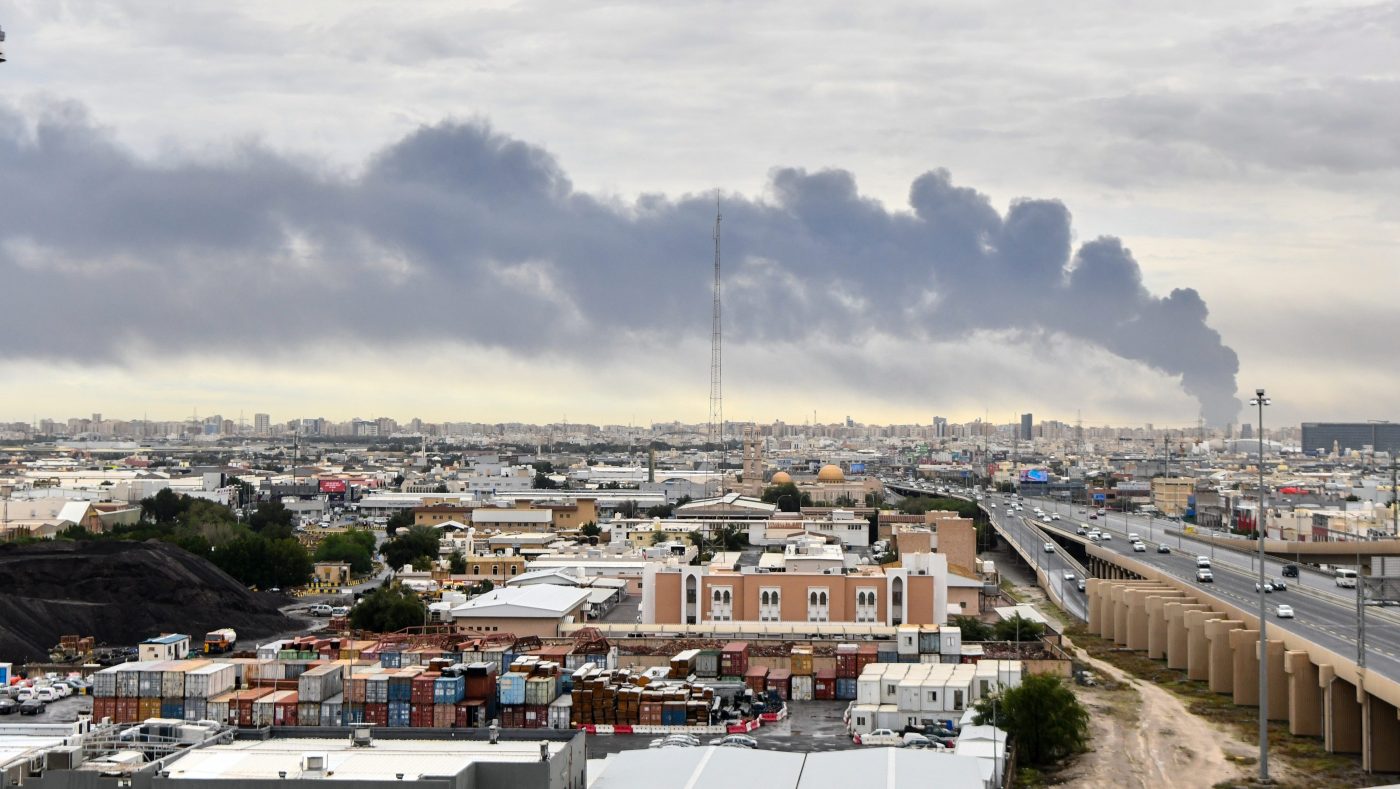
The government of Kuwait has ordered a six-hour overnight curfew for its citizens and residents, a security measure that directly coincides with a critical deadline set by President Donald Trump for the Iranian government. The Kuwaiti Ministry of Interior announced the directive on social media, instructing people to stay in their homes from midnight until 6 a.m. local time on Wednesday, except in cases of absolute necessity.
This precautionary curfew aligns with the 8 p.m. Eastern Time deadline issued by President Trump, demanding that Iran lift its restrictions on maritime traffic through the strategic Strait of Hormuz. In Kuwait, that deadline falls at 3 a.m. local time. The ministry stated the measure was aimed at safeguarding public safety, enhancing preventive security, and allowing authorities to perform their duties efficiently during a period of heightened regional tension.
Trump's Stark Ultimatum
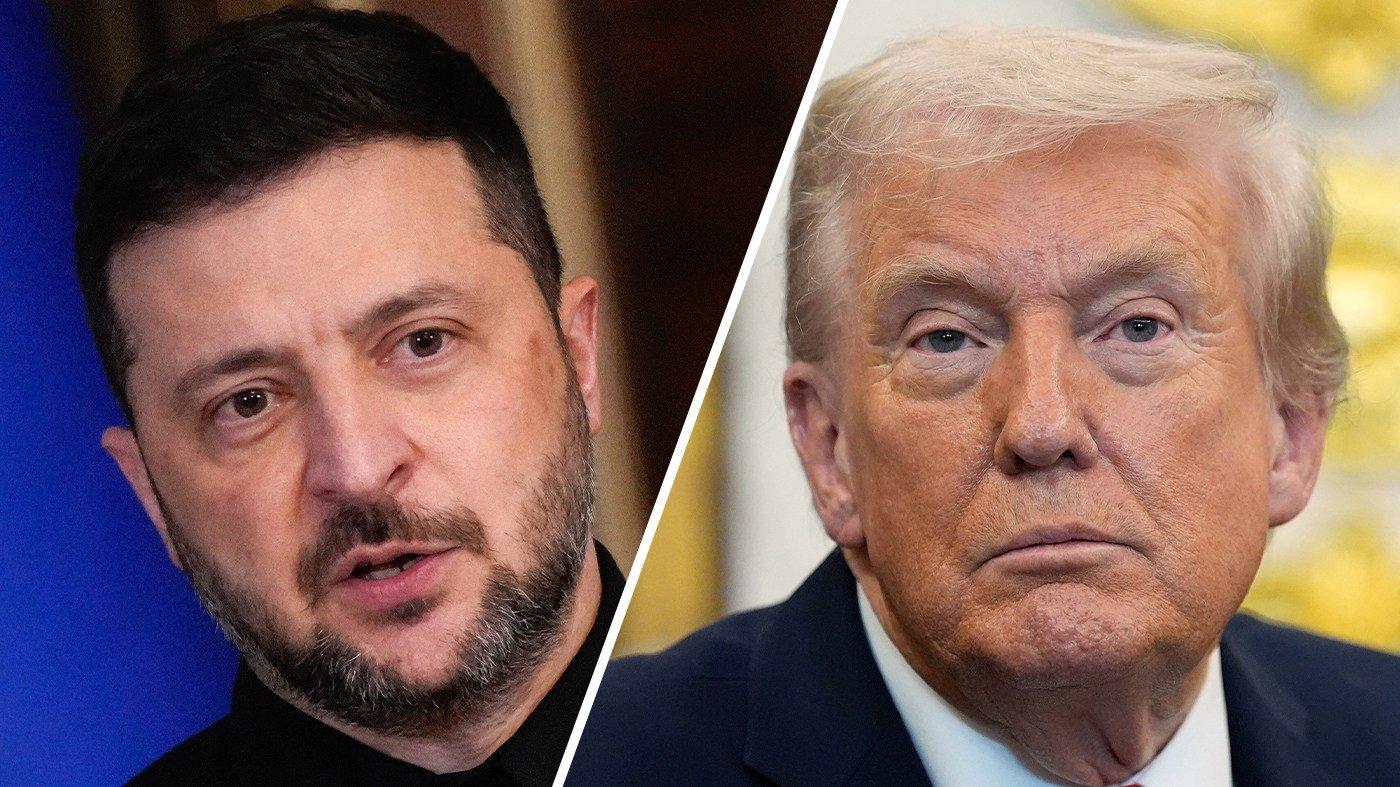
Ahead of the deadline, President Trump issued a stark warning on his Truth Social platform, declaring that "a whole civilization will die tonight" unless "something revolutionarily wonderful" occurs. He framed the moment as a potential end to what he called "47 years of extortion, corruption, and death" in Iran, while expressing hope that a new leadership in Tehran could facilitate a positive outcome. The apocalyptic rhetoric has drawn criticism from unexpected quarters, including some of his traditional allies.
The President's comments referenced his claim that a new regime is now leading Iran, following the clerical establishment's election of Mojtaba Khamenei as the new supreme leader last month, succeeding his late father, Ayatollah Ali Khamenei. This assertion of complete regime change forms the basis of Trump's ultimatum, though the continuity of the Islamic Republic's power structure remains a subject of intense debate among regional analysts.
Global Economic Ripples
The immediate catalyst for the crisis is Iran's imposition of restrictions on shipping through the Strait of Hormuz, a critical chokepoint for global oil shipments. The move has already destabilized energy markets, sending U.S. gasoline prices sharply higher. According to AAA, the national average for a gallon of regular gasoline reached $4.14 on Tuesday, marking increases of more than twelve cents from a week prior and over seventy-two cents from a month ago.
The economic pressure adds a domestic dimension to the international standoff, as American consumers face rising costs at the pump amid the geopolitical brinksmanship. Iranian officials have publicly dismissed Trump's ultimatum, vowing that their nation will prevail, setting the stage for a potential confrontation as the deadline passes.
Kuwait's decision to implement a curfew underscores the tangible fears of U.S. allies in the Gulf region, who are preparing for possible retaliatory actions or regional instability. The ministry's statement concluded with a call for public cooperation and a prayer for Kuwait's security, highlighting the gravity with which local authorities view the overlapping timelines.
The situation has triggered a fierce political response in Washington. Leading Democrats have condemned the President's language as reckless and tantamount to a threat of war crimes. Meanwhile, some military experts have also voiced alarm. Retired General Paul Anderson has characterized Trump's threats as incompetent and warned of potential violations of international law.
As the world watches the clock count down to the President's deadline, the concurrent security lockdown in Kuwait serves as a concrete signal that regional governments are bracing for significant events. The coming hours will test the resolve of all parties involved and determine whether the crisis escalates toward open conflict or pivots toward an uncertain diplomatic resolution.