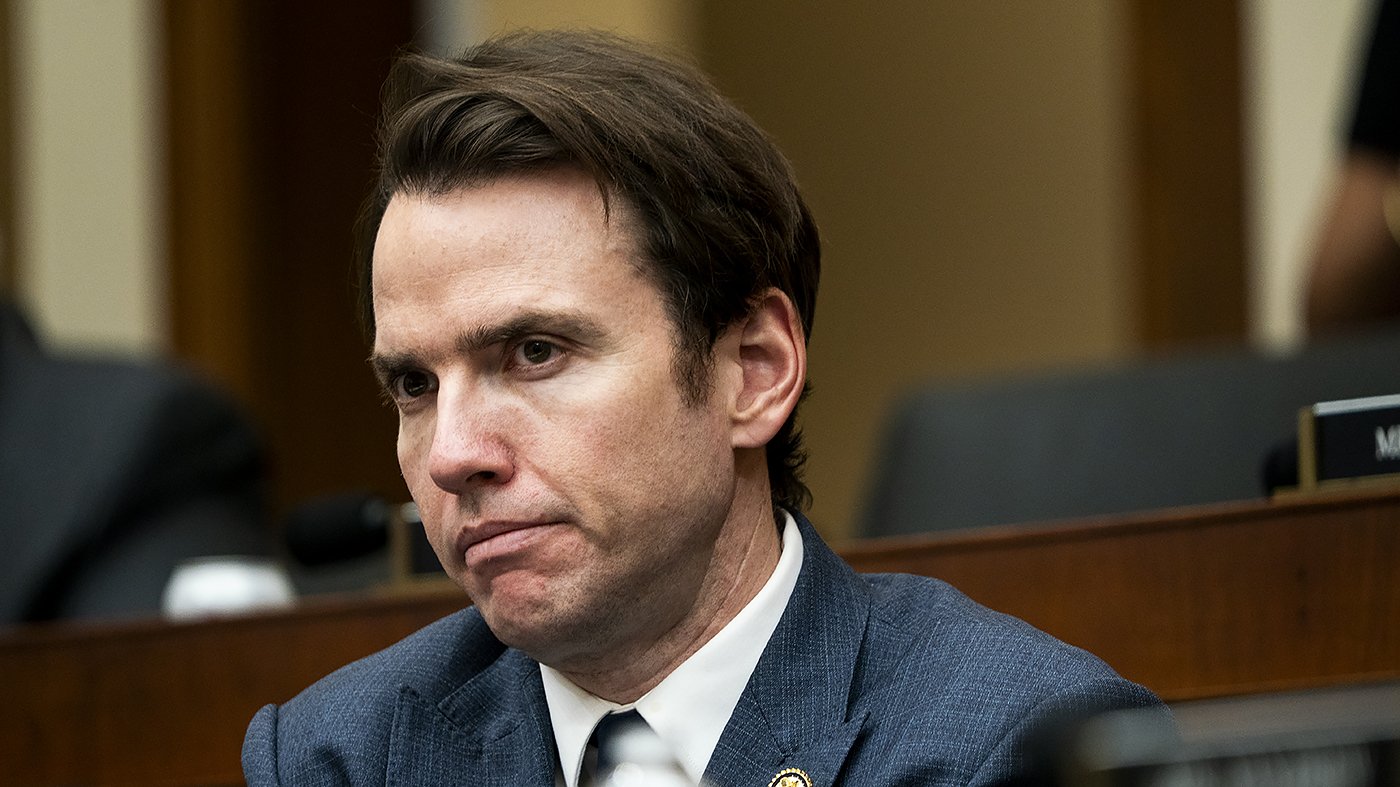
Independent Representative Kevin Kiley of California described the deployment of Immigration and Customs Enforcement officers to assist with airport security screening as a fundamentally flawed stopgap measure during a Sunday television appearance. The move comes as lengthy Transportation Security Administration wait times plague travelers nationwide, a direct consequence of a Department of Homeland Security funding lapse that has left TSA agents working without pay.
A Temporary and Flawed Fix
"Anything we can do to make travel a little more seamless right now, I think is fine. But that is a very temporary and not ideal solution," Kiley stated on CNN's 'State of the Union.' He emphasized that the core issue is a congressional failure to pass a full DHS appropriations bill, leaving the department unfunded for over a month during what he termed a "heightened threat environment."
The funding impasse has triggered a TSA staffing crisis marked by rising resignations and call-outs, directly causing security checkpoint delays. Kiley, who recently left the Republican Party, argued that Congress must reach a "bipartisan compromise" that includes "commonsense reforms" to immigration enforcement while providing necessary resources. "Having an unfunded Department of Homeland Security... is absolutely unacceptable," he said.
Partisan Stalemate and Operational Details
The political deadlock is stark: a majority of Democrats have blocked DHS funding bills seeking immigration enforcement reforms, while Republicans have rejected Democratic efforts to fund TSA separately. Into this breach steps the controversial deployment of ICE personnel. White House border coordinator Tom Homan explained the operational rationale, stating ICE officers would handle non-specialized tasks like guarding exits to free up TSA agents for screening duties. "We're simply there to help TSA do their job," Homan said, clarifying ICE would not operate X-ray machines.
This airport deployment has ignited a fierce partisan clash, with prominent Democrats voicing strong opposition. House Minority Leader Hakeem Jeffries called the presence of ICE officers at airports "the last thing" Americans need. Representative Debbie Dingell, appearing alongside Kiley, raised pointed questions about civil liberties and public perception, asking if agents would wear masks and whether their presence would intimidate travelers and suppress air travel.
Broader Political Context and Concerns
The debate occurs within a larger political fight over immigration policy and agency funding. Democratic lawmakers have specifically sought bans on masked federal immigration officers during funding negotiations. Dingell's questions reflect deep-seated concerns that ICE's expanded visibility in travel hubs could blur lines between security screening and immigration enforcement, potentially profiling travelers. The deployment, framed by the administration as logistical support, is viewed by critics as a politicization of airport security.
Kiley's critique underscores a rare point of agreement across the aisle on the inadequacy of the current arrangement, even as solutions diverge. His call for a funded DHS via bipartisan compromise highlights the legislative paralysis affecting core government functions. The situation remains fluid, with the potential for further travel disruption if the funding lapse continues and the ad-hoc use of ICE personnel persists.