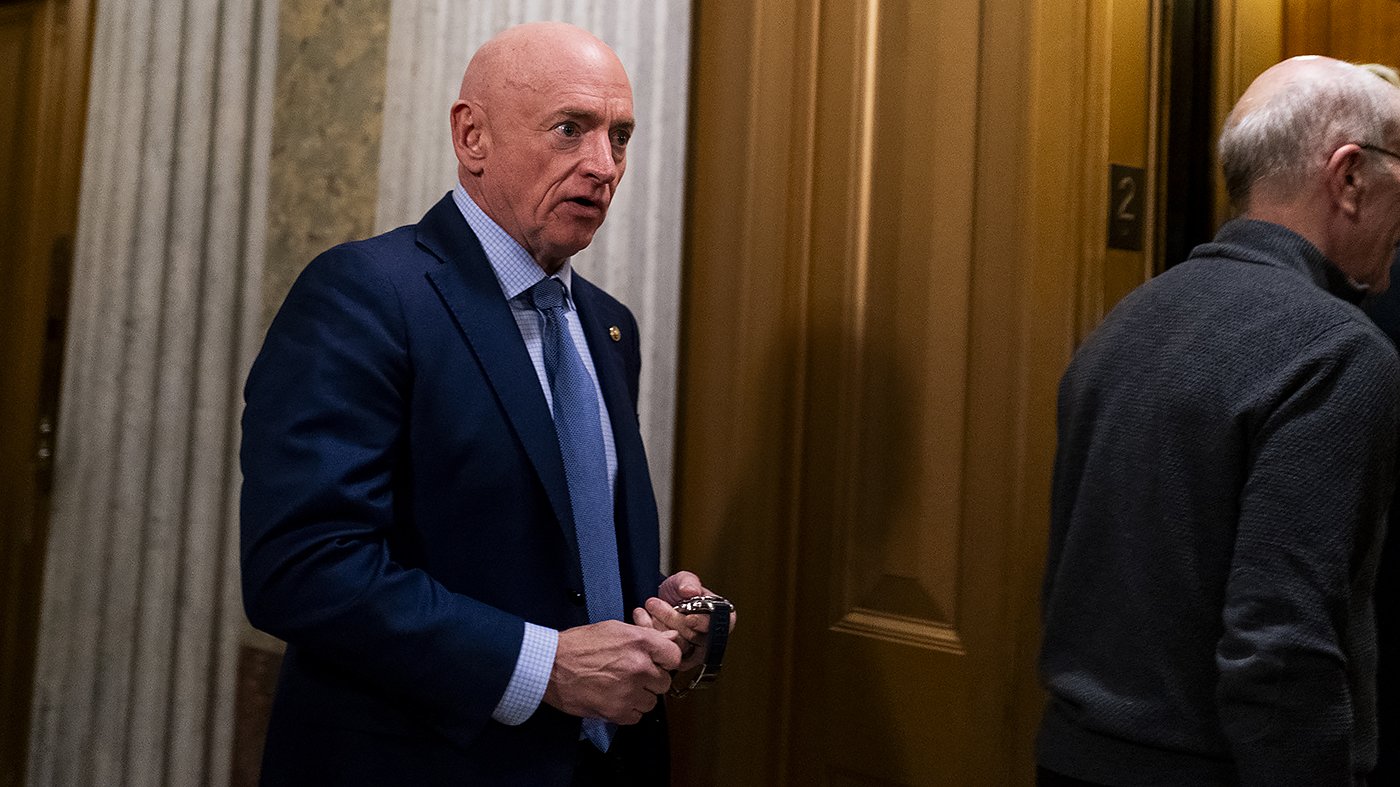
Sen. Mark Kelly (D-Ariz.) publicly endorsed the Trump administration's move to restrict access to Anthropic's newest artificial intelligence models, a rare bipartisan alignment on a contentious technology policy.
Appearing on CBS News's Face the Nation, Kelly said the administration was right to urge Anthropic to suspend access to its Fable 5 and Mythos 5 models. He described these systems as “incredibly capable” and warned they could pose serious threats to federal government and financial networks.
“Some of the capabilities that these models have to access systems, not only federal government systems, but financial systems, is very concerning to us,” Kelly said. “We’ve got to take some time with these tools and do extensive evaluations as to what is the risk to the American people when we release these.”
The senator, a frequent critic of the White House, stressed the need for caution. “So I agree with the administration on this,” he added.
Anthropic removed access to the two models on Saturday, complying with a directive that bars foreign nationals from using the systems due to unspecified security concerns. The company had previously praised President Trump's executive order asking AI firms to voluntarily submit new systems for government review before public release. However, Anthropic argued that the administration's specific request to pull the models “does not adhere” to the principles of that order.
The White House has not detailed specific incidents that triggered the restriction, but Semafor reported that a China-linked group had gained access to Mythos 5, raising alarms.
Kelly, who serves on the Armed Services Committee, noted that Anthropic has been cooperative. “I think Anthropic is a good example, seems to be willing to work with the federal government on this to make sure that we do not make a mistake and release something that we will later regret,” he told host Margaret Brennan.
The episode highlights the growing bipartisan concern over AI's potential to disrupt critical infrastructure. As defense spending debates intensify, lawmakers are increasingly focused on securing emerging technologies. The Supreme Court is also weighing cases that could reshape the regulatory landscape for AI, including executive power over technology oversight.
Kelly's endorsement of a Trump-era directive underscores the delicate balance between innovation and national security. “We’ve got to be incredibly careful,” he said, echoing a sentiment that may define the next phase of AI governance.