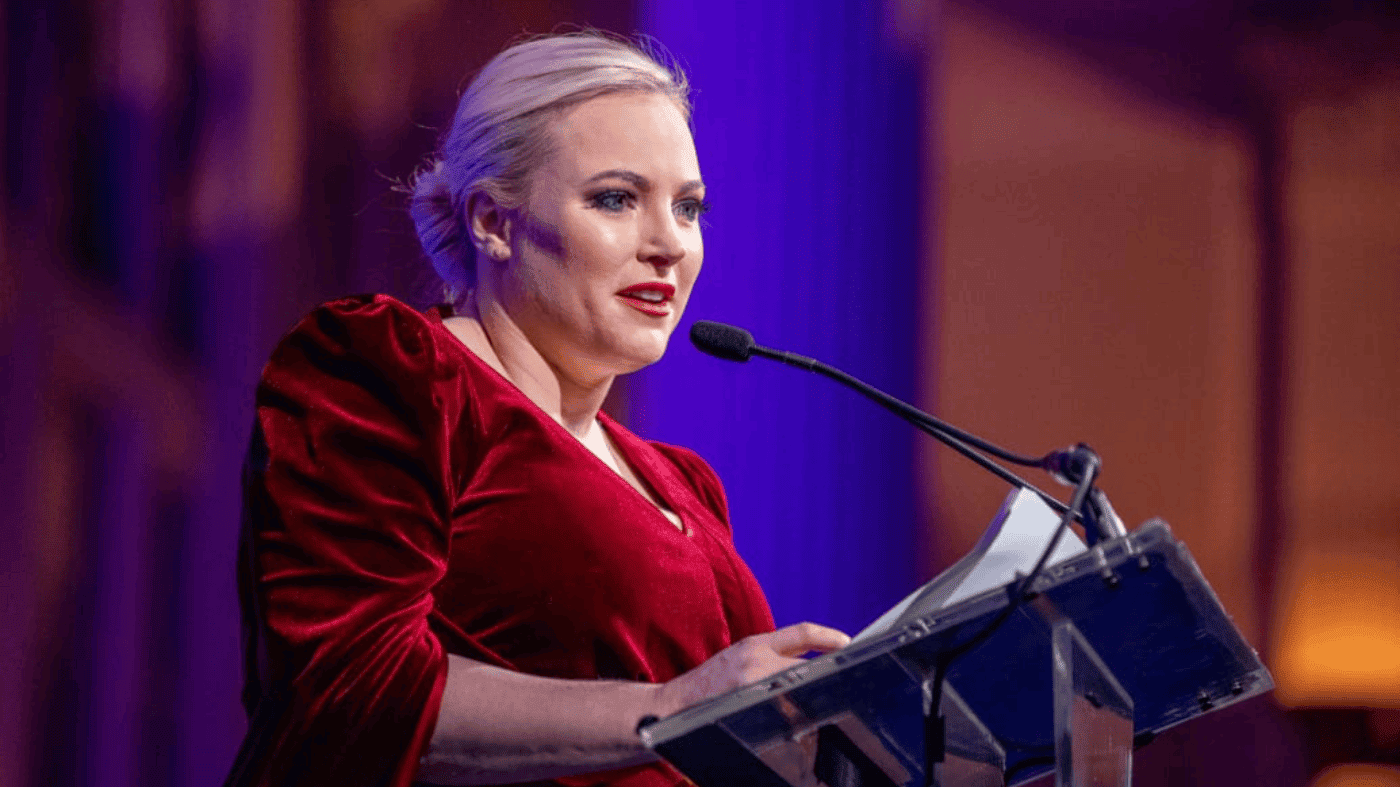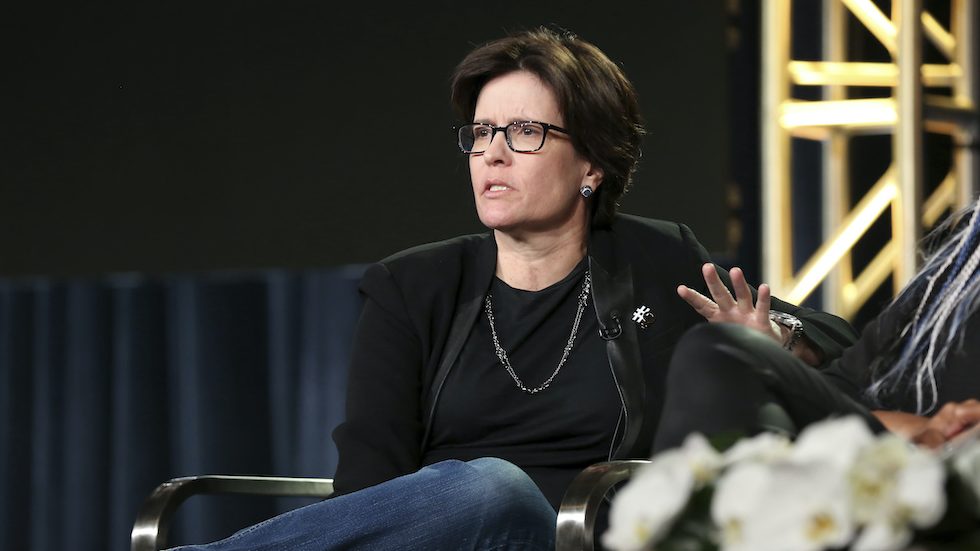
Prominent journalist and CNN contributor Kara Swisher has publicly stated she will exit the network if Paramount Global succeeds in its bid to acquire Warner Bros. Discovery and assume control of CNN. Swisher made the declaration during remarks at an awards ceremony, framing her stance as a matter of journalistic principle.
"I don't believe they would be competent stewards of a news organization," Swisher told reporter and Syracuse University professor Margaret Talev. "Their track record, particularly regarding editorial decisions, demonstrates a fundamental disinterest in the practice of journalism. I will not remain with any entity that fails to respect journalists."
New Show Amidst Ownership Uncertainty
Swisher's threat comes despite her upcoming involvement with the network. She is slated to premiere a new CNN program titled "Kara Swisher Wants to Live Forever" in April. However, she explicitly told Talev that the show's launch would not keep her at CNN under Paramount's ownership, indicating she sees no viable scenario to continue her work post-acquisition.
Her criticism focused sharply on the Ellison family. She labeled Oracle CEO and former Trump ally Larry Ellison "a terrible person." His son, David Ellison, serves as CEO of Paramount Skydance, the entity formed after last July's merger. That corporate combination has already precipitated significant changes at CBS News, including the appointment of conservative writer and editor Bari Weiss as the outlet's editor-in-chief.
Broader Concerns Over Editorial Direction
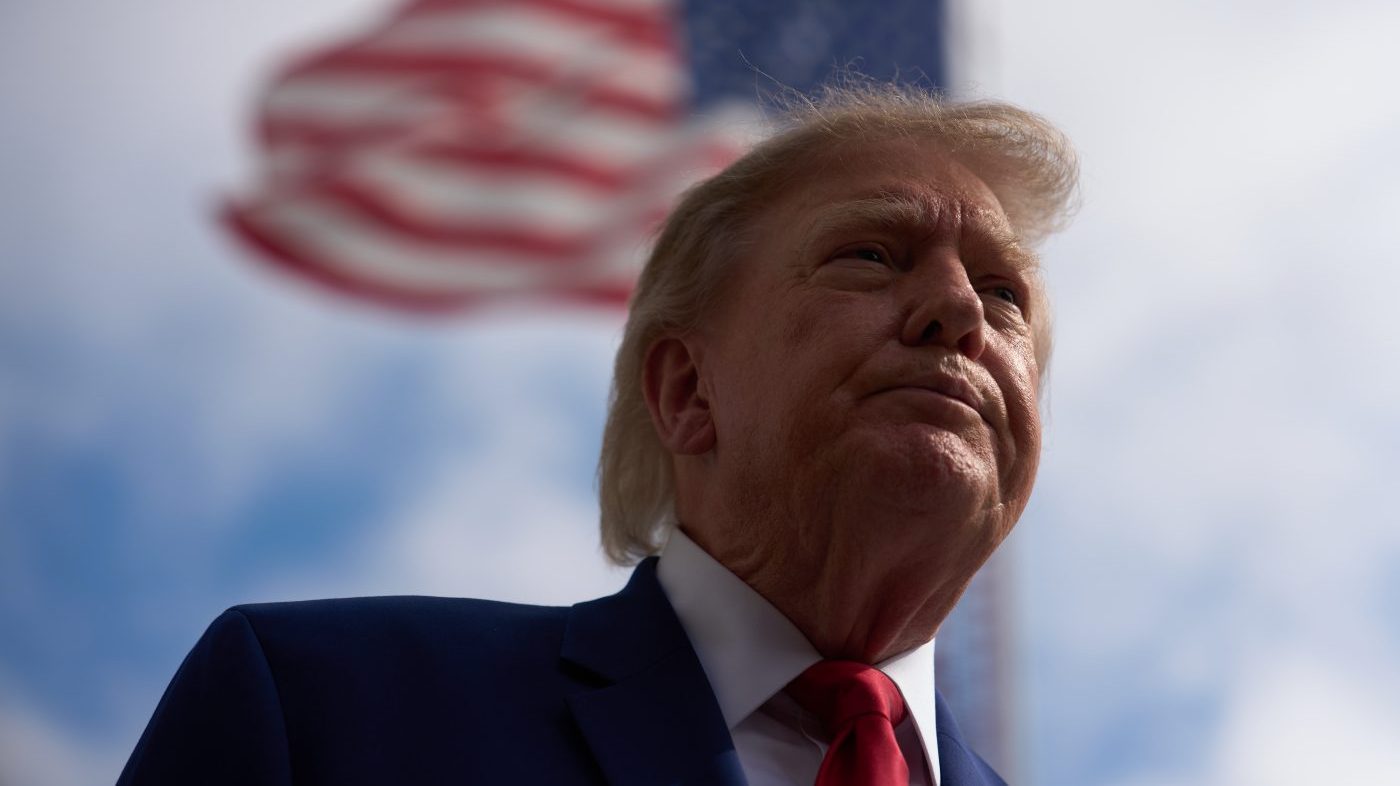
Swisher's stance reflects wider apprehension within CNN about the potential takeover. David Ellison has previously discussed aiming CNN's editorial strategy toward a more politically "diverse" audience, language echoing remarks made about CBS News. These comments, alongside endorsements from figures like former President Donald Trump and Defense Secretary Pete Hegseth—who recently stated the "sooner David Ellison takes over that network, the better"—have fueled debates about the cable network's future independence.
The precedent at CBS News is a central concern. The ownership shift and leadership change led several prominent figures, including "60 Minutes" correspondent Anderson Cooper, to sever ties with the company. Many Democrats and media analysts have accused CBS News of a noticeable rightward editorial pivot under its new structure, a charge that underscores broader tensions about media ownership and partisan influence. This dynamic mirrors other conflicts over press freedom, such as when Voice of America journalists sued the previous administration over alleged censorship mandates.
Specific editorial clashes have emerged. Weiss's decision in December to hold a "60 Minutes" segment on a Salvadoran prison was criticized as politically motivated, though correspondent Sharyn Alfonsi stated it passed legal and standards reviews. Weiss countered that the piece lacked "sufficient context" and "critical voices." The outlet has also undergone multiple rounds of layoffs, including cuts in October and another announced for May, alongside the shuttering of CBS News Radio.
"I'm not working for you hacks. I'm just not doing it and it's not worth it to me," Swisher said emphatically, crystallizing her opposition. Her declaration highlights how high-profile talent departures can become a direct consequence of perceived ideological shifts in media ownership, potentially destabilizing major news institutions. This comes as public trust in institutions is tested, reflected in findings like a recent poll showing over 70% of Americans perceive a deteriorating job market amid deepening pessimism.
The situation underscores a volatile moment for American media, where corporate consolidation, political pressure, and questions of editorial integrity increasingly intersect. Swisher's very public ultimatum signals that the battle over CNN's future will be fought not just in boardrooms but in the public statements of its most visible contributors.