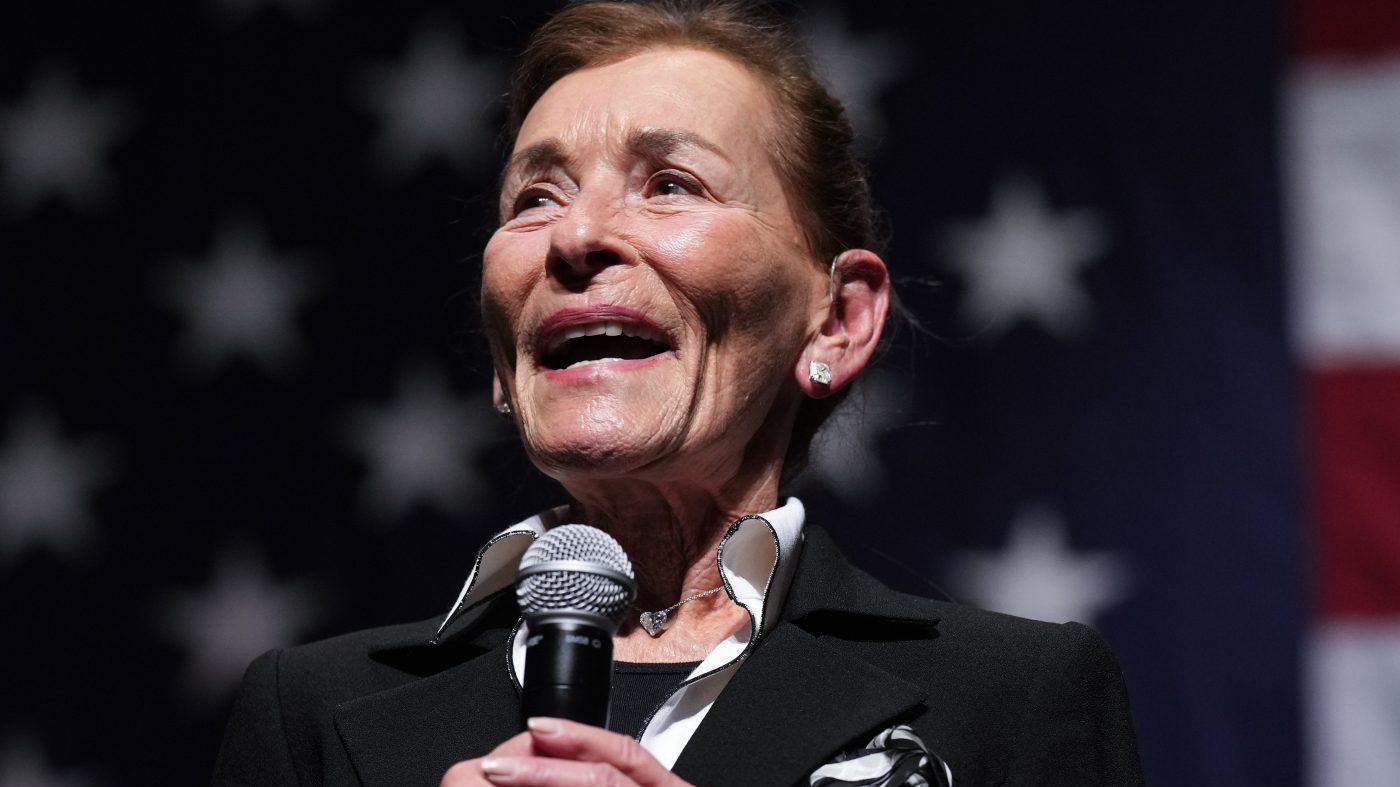
After three decades presiding over television courtrooms, Judith Sheindlin—better known to millions as Judge Judy—has announced she is stepping away from the on-camera bench. The 81-year-old legal icon revealed the news Wednesday on Good Morning America, confirming that her current Amazon Prime series, Judy Justice, will conclude in October.
When asked why she chose to retire now, Sheindlin pointed to her son, Adam Levy, who hosts his own court show produced by his mother. “First of all, he was ready,” she said. Levy's ascension marks a generational shift in the TV courtroom genre, a space Sheindlin has dominated for years.
Sheindlin also acknowledged the passage of time with her characteristic wit. “I’ve aged pretty well over the years. Reasonably. I look better than my grandmother did at my age, which didn’t take a lot,” she joked. But she made clear that retirement from the bench doesn’t mean retreat from public life. “It’s time for me to— and I’m still going to be creative, still out there.”
Her legacy is firmly established. Judge Judy, which aired on CBS for 25 seasons until 2021, celebrated its 30th anniversary this year and turned Sheindlin into a household name. Her transition to streaming with Judy Justice proved her enduring appeal, but she insists there’s more to come.
“I have a lot of other things of interest,” Sheindlin told People magazine. Among those interests is an adult animated series titled Judyverse, a project that allows her to explore new creative avenues without the daily demands of hair and makeup. “I don’t want to do hair and makeup anymore, but I still want my message to get out there,” she said. “I don’t have to prove anything else. I did it.”
Sheindlin’s departure comes amid broader scrutiny of the judiciary, including recent controversies such as doxxing campaigns against federal judges and debates over judicial conduct. Her exit from the small screen marks the end of an era for a genre she helped define, but her influence on legal entertainment is likely to persist through her son’s work and her own future projects.
As she prepares to hand over the gavel, Sheindlin remains a formidable figure in American pop culture, with a career that has spanned generations and platforms. Her decision to pivot to animation signals a desire to stay relevant while embracing new formats, a move that mirrors the broader evolution of media consumption.
For fans of courtroom television, the transition may be bittersweet, but Sheindlin’s legacy is secure. As she put it, she’s “going to become the Benjamin Button of court”—reinventing herself yet again, even as she steps away from the camera.