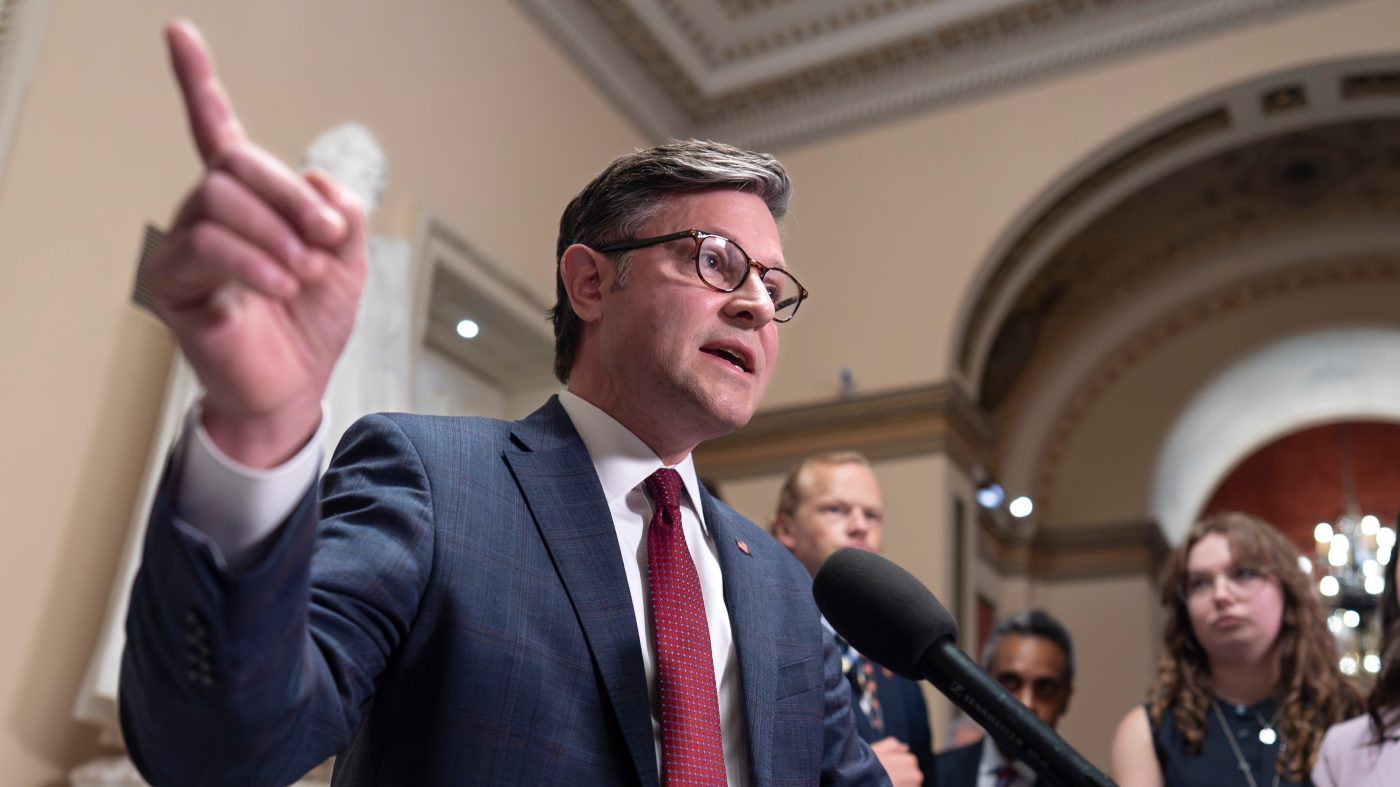
Speaker Mike Johnson (R-La.) announced Wednesday that he intends to advance the Safeguard American Voter Eligibility (SAVE America) Act through a third budget reconciliation bill, bypassing the Senate filibuster that has stalled the legislation. The move comes just hours after President Trump scrapped a planned signing ceremony for a bipartisan housing package, insisting he would not sign it until the Senate approves the voter ID requirement.
The SAVE America Act would mandate proof of citizenship for federal voter registration and require voters to present identification at the polls. The bill cleared the House but has languished in the Senate, where Democrats have unified in opposition, leaving it short of the 60 votes needed to overcome a filibuster.
Trump’s Housing Ultimatum
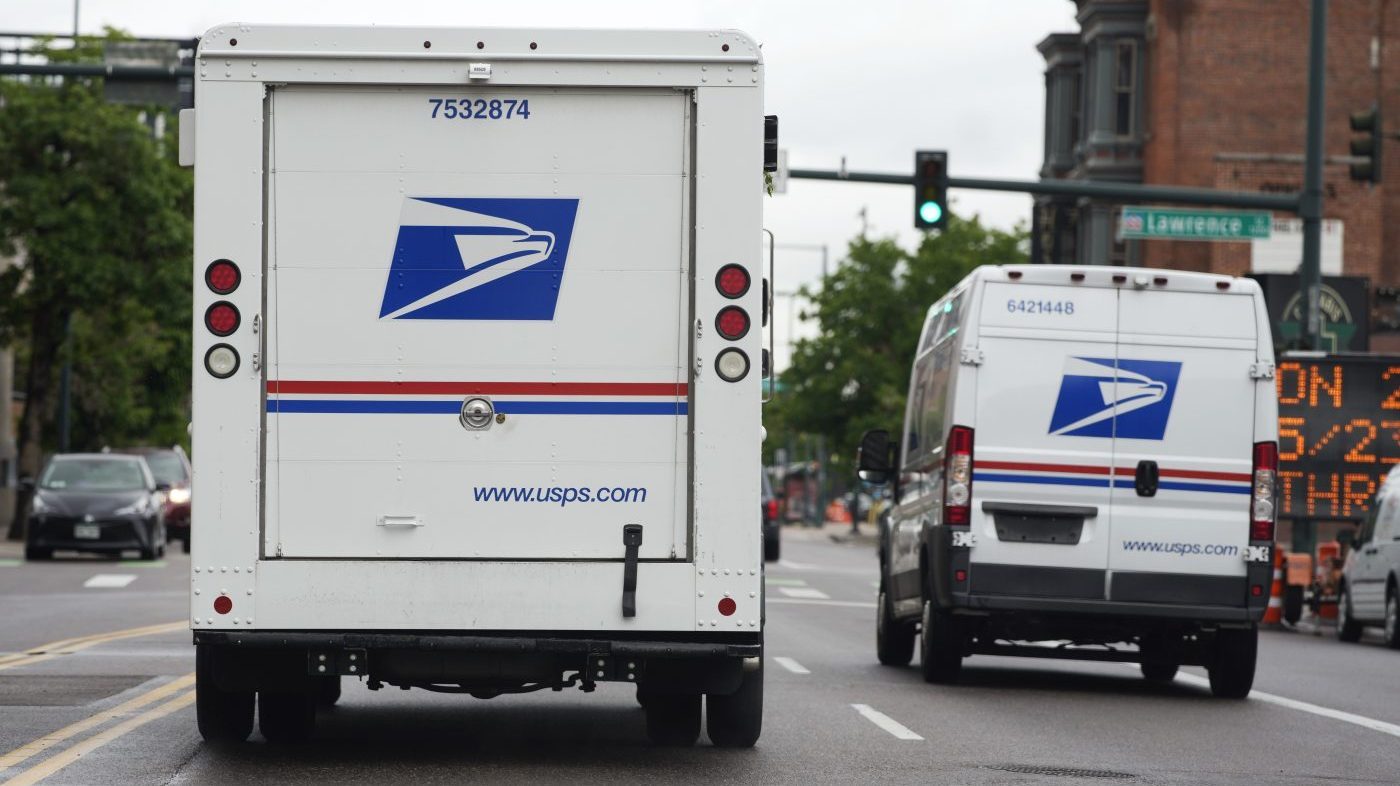
Trump canceled the housing bill signing abruptly, citing the Senate’s failure to pass the SAVE America Act. The housing package, a rare bipartisan effort, had been expected to address affordability and supply issues. The president’s move underscores the deepening partisan rift over voting laws and highlights the leverage he wields over legislative priorities.
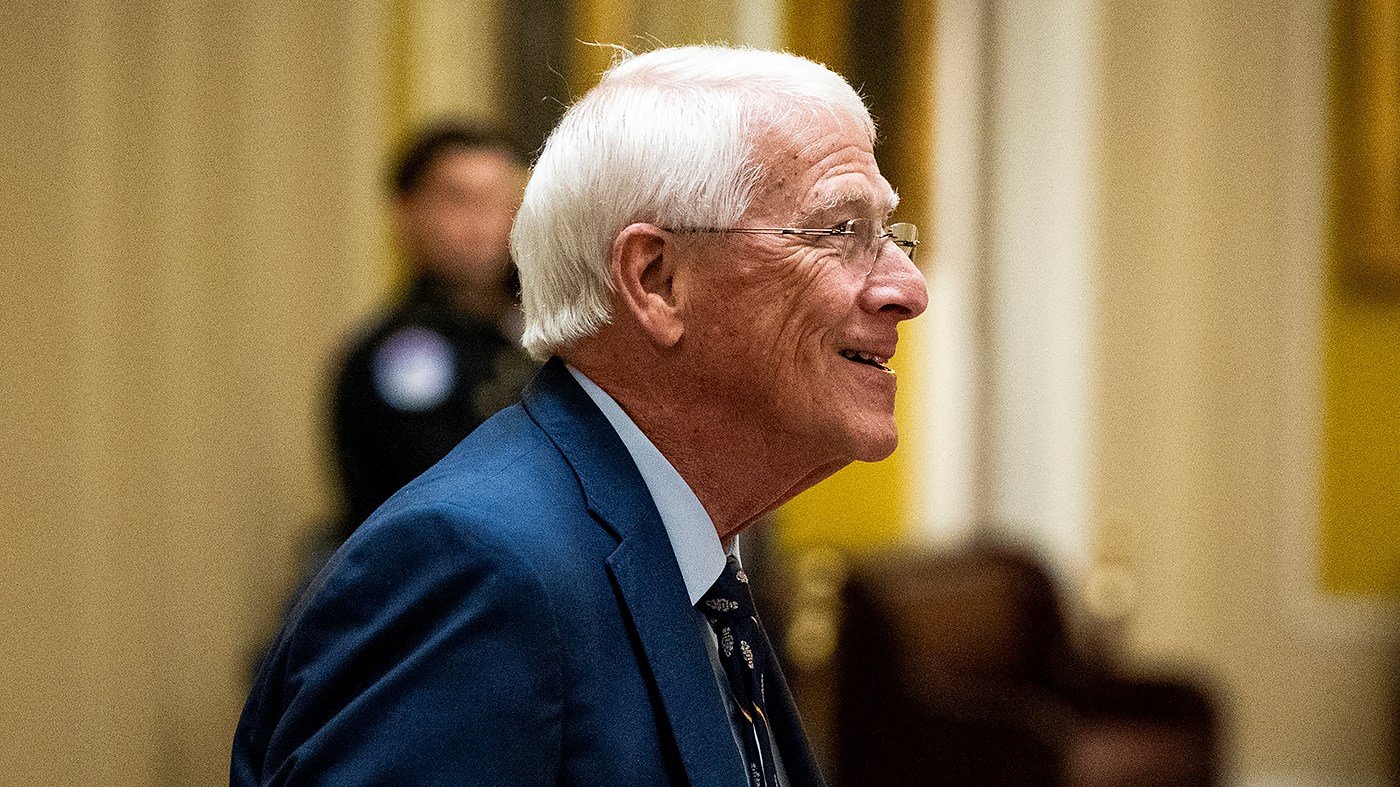
Senate Majority Leader John Thune (R-S.D.) has repeatedly resisted Trump’s calls to eliminate or reform the filibuster, which would allow the voter ID bill to pass with a simple majority. Thune argued that preserving the filibuster is essential for Senate tradition and stability, even as Trump pressures him to find a path forward.
Reconciliation as a Workaround
Johnson’s plan to use reconciliation—a process that allows budget-related bills to pass with 51 votes—could sidestep the filibuster. However, the maneuver is complicated by the Byrd Rule, which limits reconciliation provisions to those with direct budgetary impact. Legal experts are divided on whether voter ID requirements meet that threshold, potentially setting up a parliamentary battle.
The speaker’s announcement came amid a broader political landscape marked by Trump’s controversial Great American State Fair, which has drawn boycotts and deepened partisan divides. The fair, a showcase of Americana, has become a flashpoint for cultural and political tensions, with performers and attendees split along ideological lines.
Senate Stalemate and Public Opinion
The SAVE America Act’s fate remains uncertain. Democrats argue the bill would suppress turnout among minority and low-income voters, while Republicans insist it is necessary to prevent noncitizen voting—a phenomenon they claim is widespread despite scant evidence. A recent poll found that a plurality of Americans want to ban betting on election outcomes, reflecting broader concerns about electoral integrity.
Thune’s resistance to filibuster reform has frustrated Trump allies, who see the procedural hurdle as an obstacle to enacting the president’s agenda. Meanwhile, Johnson’s reconciliation push could force a showdown within the GOP over legislative strategy and priorities.
Broader Implications
The standoff over the SAVE America Act is part of a larger battle over voting rights and election security that has intensified since the 2020 election. With the 2024 presidential race looming, both parties are mobilizing around these issues. The outcome of Johnson’s reconciliation gambit could set a precedent for how Congress handles controversial election laws in the future.
As the White House and congressional leaders jockey for position, the housing package remains in limbo. Trump’s insistence on linking it to voter ID has drawn criticism from some moderate Republicans and housing advocates, who argue that affordable housing should not be held hostage to political fights over election laws.