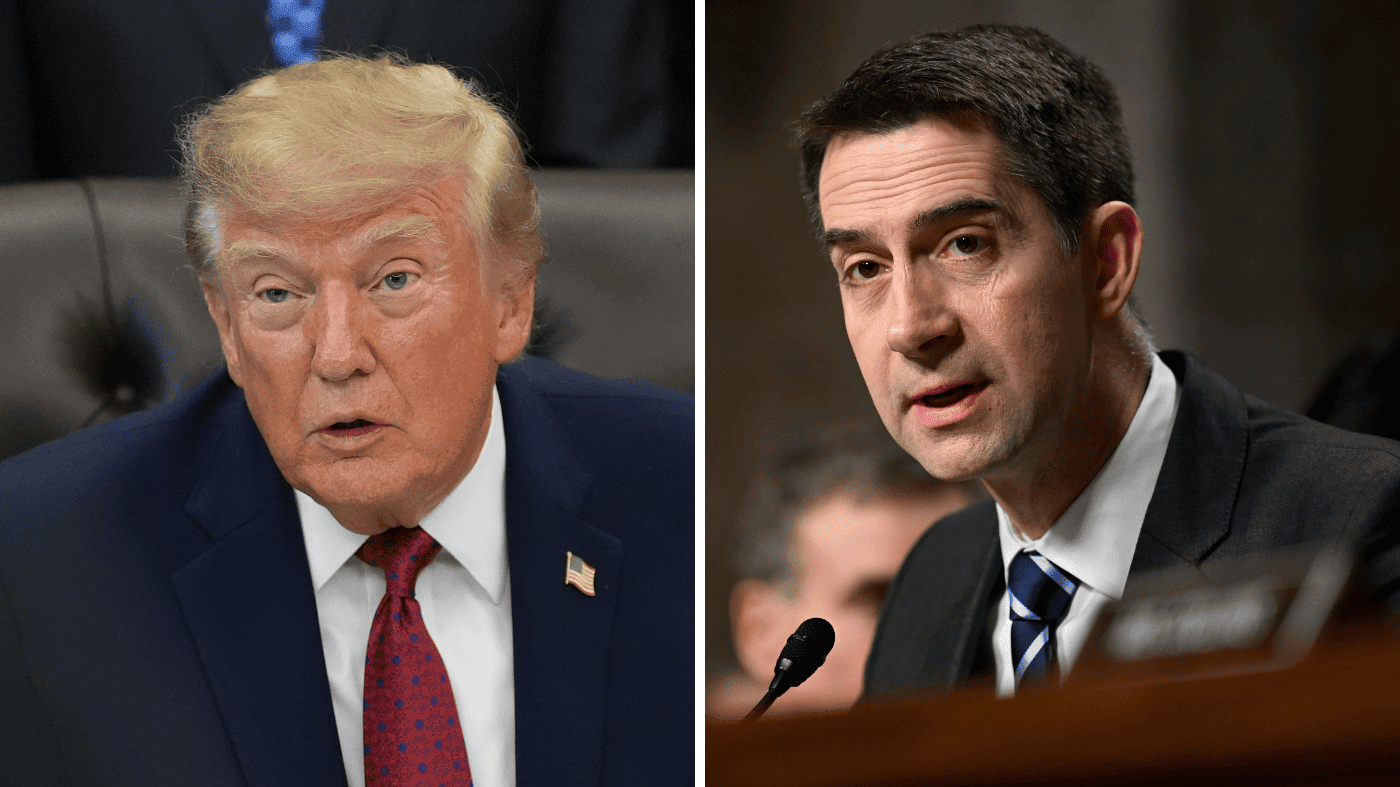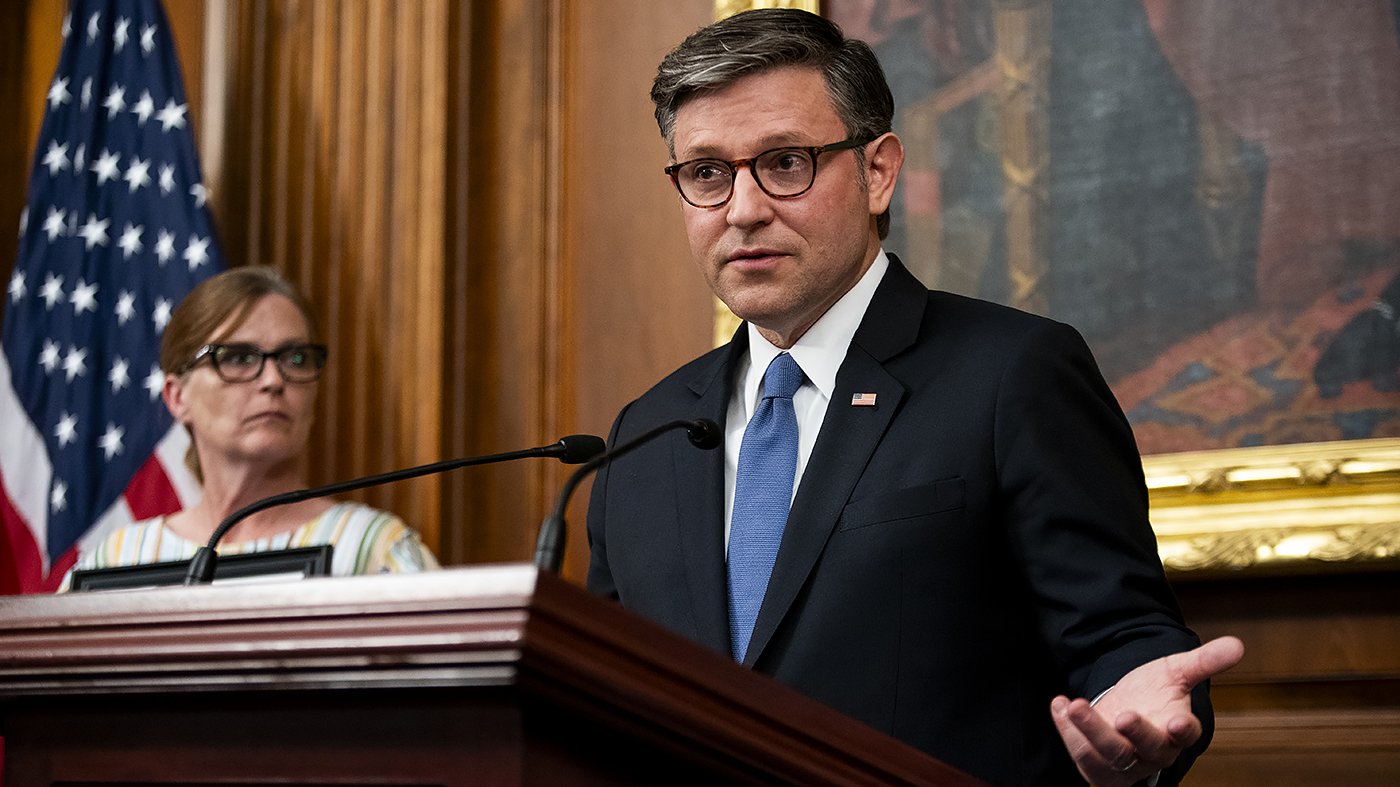
Speaker Mike Johnson (R-La.) on Sunday declared that “birthright tourism” has eroded the value of the 14th Amendment, aligning with President Trump’s renewed push for legislative action after the Supreme Court’s recent birthright citizenship decision. Johnson’s comments, made during an appearance on “Fox News Sunday,” come as Republican lawmakers weigh their next steps following the high court’s refusal to take up Trump’s executive order restricting citizenship.
The Supreme Court, in a 5-4 ruling, declined to hear the case, with the majority arguing that altering birthright citizenship would require a constitutional amendment. Justice Clarence Thomas dissented, writing that the Citizenship Clause “added greatly to the dignity and glory of American citizenship” but that the court’s opinion “devalues that citizenship.” Johnson echoed that sentiment, telling host Shannon Bream that the original intent of the 14th Amendment was to “enhance and really value citizenship,” but “it’s been devalued because of birthright tourism, which is what we have now. It’s a threat to the rule of law and national security.”
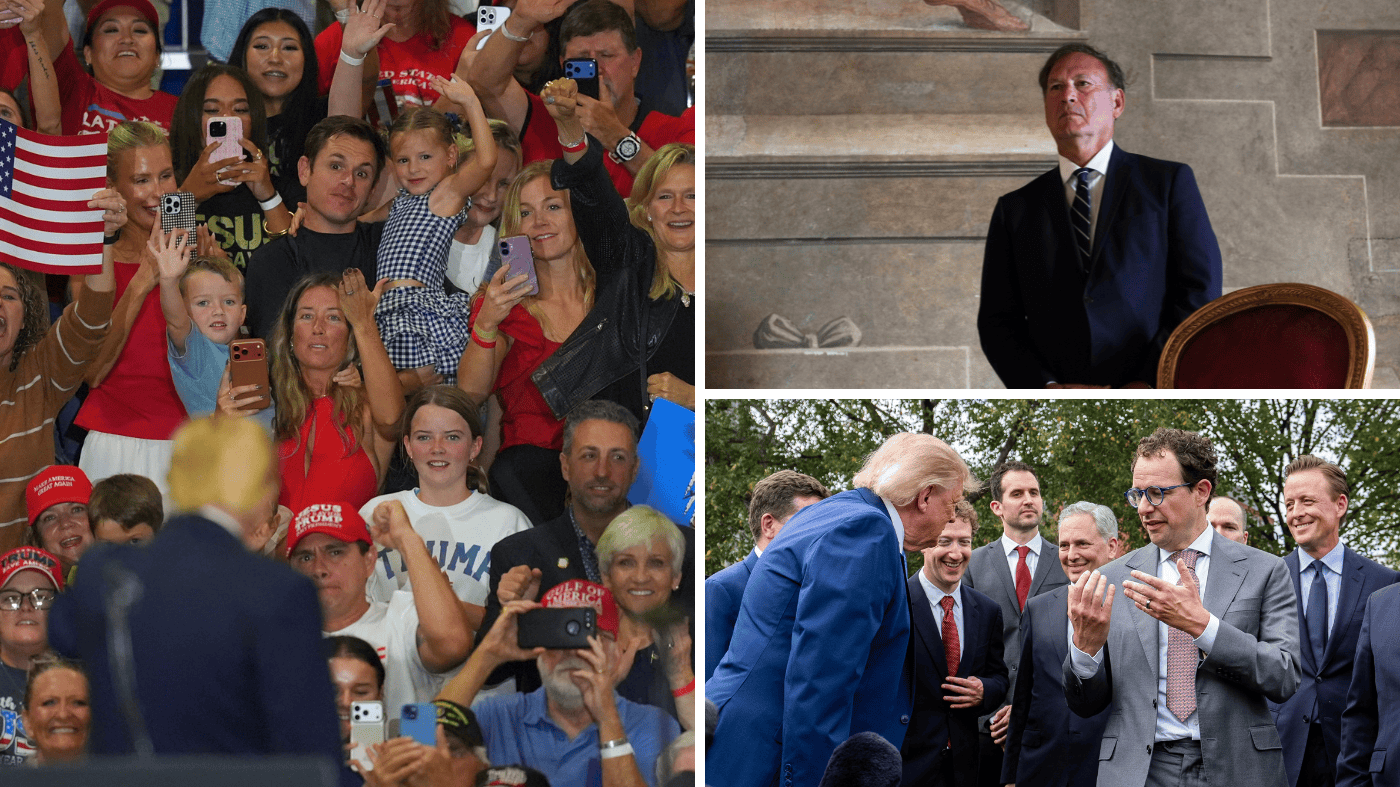
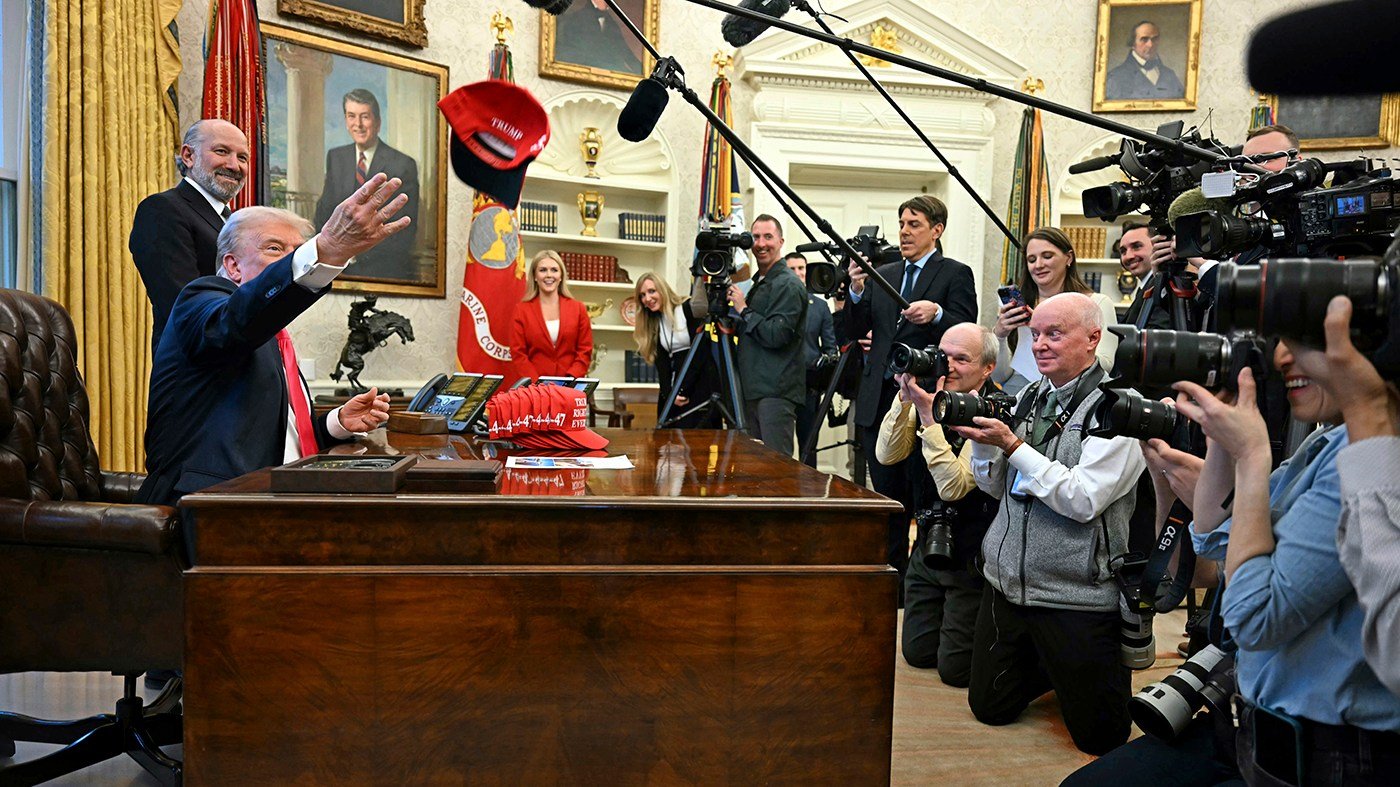
Johnson’s remarks come as Trump, who had pushed the executive order, relented to the court’s ruling and called on Congress to act. In a post on Truth Social, Trump declared, “No long and unwieldy Constitutional Amendment is necessary!” and urged lawmakers to “start TODAY to work on ending expensive and unfair to our Country, Birthright Citizenship.” The president found a potential opening in Justice Brett Kavanaugh’s opinion, which was not part of the majority but suggested Congress could revisit the Nationality Act of 1940, the law that codified the constitutional guarantee.
Johnson said that if a bill can “fix” the amendment, Congress will “advance that immediately,” but acknowledged that a full constitutional amendment would be a lengthy process. “It is quite a process, and it isn’t often done,” he added. The House speaker’s stance puts him at odds with some Republican colleagues with legal backgrounds, who insist that only a constitutional amendment can resolve the issue.
Sen. Eric Schmitt (R-Mo.) pushed back on the idea that legislation alone could work, arguing that “ordinary legislation cannot repair the damage.” He announced plans to introduce a constitutional amendment to “restore the sacred bond between American citizens and their government,” following the “purposefully difficult” process requiring two-thirds approval in both chambers and three-quarters of state ratifications.
The debate has exposed a deeper divide among Republicans over national identity and the scope of the 14th Amendment. Some, like Johnson, see birth tourism—where pregnant women travel to the U.S. specifically to give birth and secure citizenship for their children—as a loophole that undermines the rule of law. Others, including legal scholars and some GOP officials, warn that the amendment’s text is clear: “All persons born or naturalized in the United States, and subject to the jurisdiction thereof, are citizens.”
Trump’s call for congressional action has already spurred legislative maneuvering. Rep. Mike Lawler (R-N.Y.) has introduced a bill targeting birth tourism, while the Justice Department has stepped up enforcement against related fraud. The Supreme Court’s ruling, which upheld birthright citizenship without wading into the policy debate, has left the issue squarely in the hands of Congress—setting the stage for a contentious fight over the Constitution’s meaning.
For now, Johnson’s alignment with Thomas’s dissent signals that conservatives will continue to press the argument that the 14th Amendment’s original intent has been corrupted. Whether that translates into a viable legislative path or a long-shot amendment effort remains uncertain, as the political and legal stakes continue to mount.