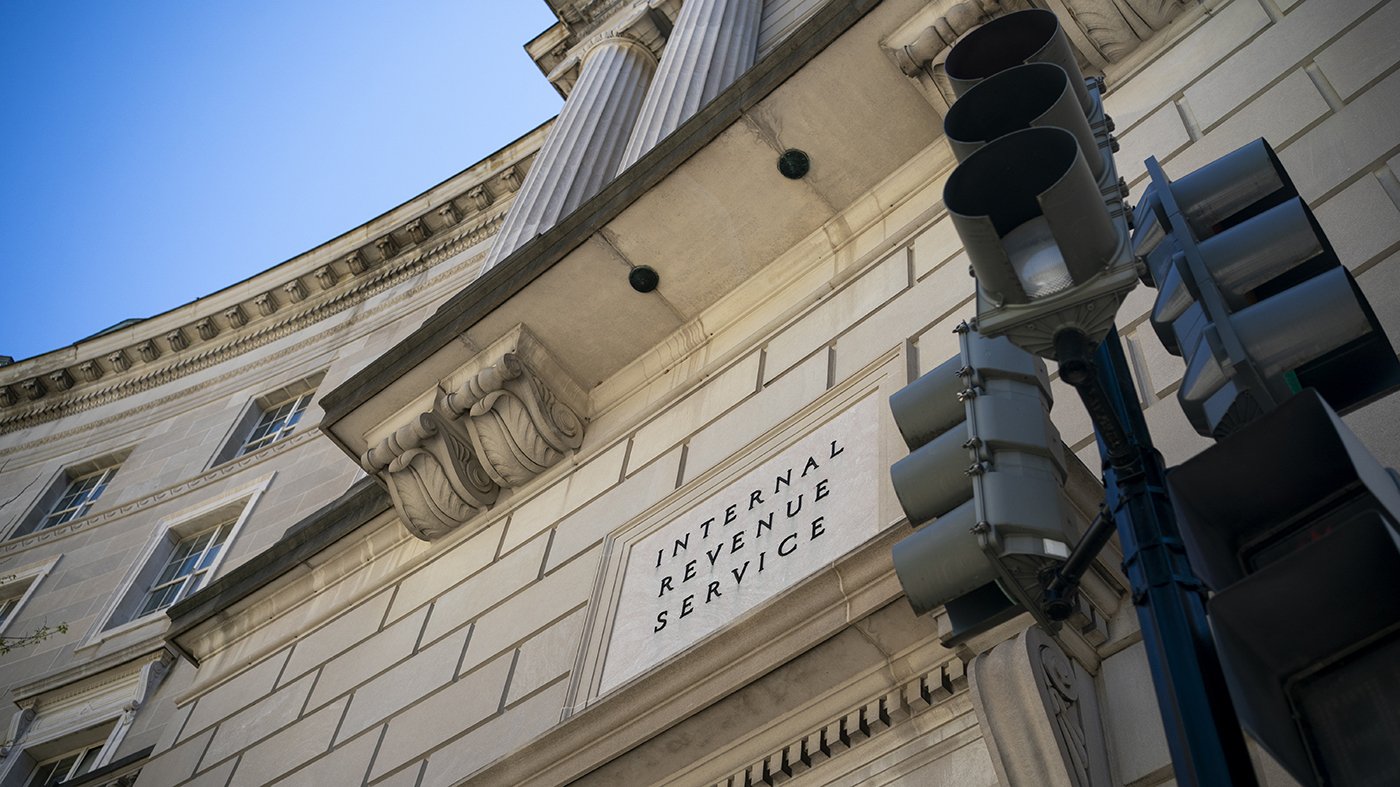
The annual federal tax filing deadline arrives Monday, April 15, placing millions of taxpayers under a legal obligation to submit returns and settle outstanding balances with the Internal Revenue Service. For those who miss the cutoff, the agency's penalty structure begins immediately, imposing significant financial consequences on delinquent filers.
Immediate Penalties for Late Filing and Payment
The IRS enforces two primary penalties for non-compliance. The failure-to-file penalty is typically assessed at 5% of any unpaid taxes for each month or partial month a return is late, capping at 25% of the total tax liability. If a return is more than 60 days overdue, a minimum penalty of $525 or 100% of the tax owed—whichever is less—applies. Interest compounds daily on both the unpaid tax and the penalties themselves.

A separate failure-to-pay penalty also accrues at 0.5% of the outstanding balance per month, up to 25%. These charges underscore the agency's strict enforcement posture, even as it processes the roughly 164 million individual returns it anticipates this season. By early April, the IRS had already received about 99.8 million submissions.
Extension Caveats and Payment Obligations
Taxpayers can request an automatic six-month filing extension, moving their submission deadline to October 15. This administrative relief, however, applies only to paperwork, not payment. Any estimated tax owed remains due in full by the original April 15 deadline. The extension mechanism prevents the failure-to-file penalty but does not stop the failure-to-pay penalty or interest from accumulating on unpaid balances.
For individuals facing financial hardship, the IRS offers installment agreements that can reduce the monthly failure-to-pay penalty to 0.25% while the plan is active. The agency emphasizes that filing any return, even without full payment, is preferable to non-filing, as it limits the more severe failure-to-file penalty.
Submission Protocols and Enforcement Context
Electronic returns and extension requests must be transmitted by 11:59 p.m. local time on April 15. Paper returns are considered timely if postmarked by that date. The IRS's systematic approach to deadlines and penalties reflects its broader operational mandate, even as policy debates about future tax structures involving technology and labor gain traction elsewhere in Washington.
The enforcement rigor comes amid a complex fiscal landscape where federal revenue collection intersects with high-stakes international policy. While taxpayers navigate filing logistics, the administration concurrently manages congressional deadlines on foreign engagement, illustrating how statutory timelines govern both domestic finance and global strategy.
Financial advisors routinely caution that proactive engagement with the IRS—whether through filing, extension requests, or payment plans—mitigates the most severe penalties. The agency's automated systems calculate penalties and interest from the day after the filing deadline, leaving little room for administrative grace for those who disregard the cutoff.
As the deadline passes, attention will shift to compliance rates and revenue intake, key indicators of the tax system's functioning during a period of significant economic uncertainty influenced by global energy markets. The immediate financial stakes for individual taxpayers, however, remain clear: timely action is the most effective defense against compounding penalties.