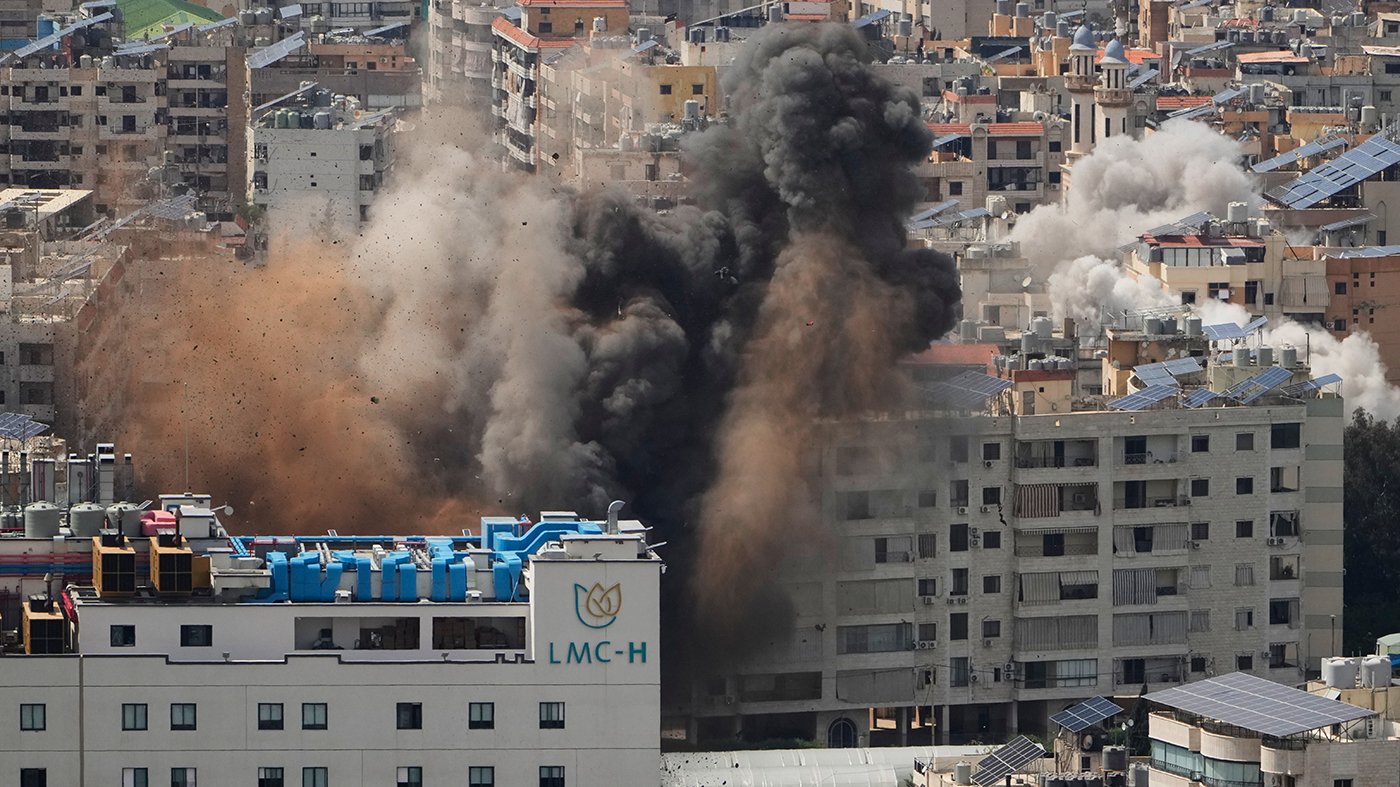
For the fourth time, Senate Republicans have defeated a Democratic-led resolution aimed at curtailing President Donald Trump's authority to conduct military operations against Iran. The 52-47 vote, held Wednesday, fell largely along party lines and keeps the administration's actions unrestrained by congressional mandate as the conflict nears the 60-day limit established by the War Powers Resolution of 1973.
Static Vote Reveals Fissures
The tally mirrored previous votes, with Senator Rand Paul (R-Ky.) again siding with Democrats in favor of the restriction and Senator John Fetterman (D-Pa.) opposing it. Senator Jim Justice (R-W.Va.) did not vote. The resolution was forced to the floor by Senator Tammy Duckworth (D-Ill.), who argued on social media that her goal was "to end Trump's needless and expensive war of choice against Iran." She asserted that "the American people do not want higher costs, rampant lies and chaos" and insisted "the Senate must act."

Despite the consistent voting pattern, underlying Republican concerns about the trajectory of the conflict are becoming more visible. Some GOP senators are privately expressing discomfort with the administration's rhetoric and are seeking a swift conclusion to hostilities. This internal pressure coincides with the White House's efforts to promote its domestic economic agenda, even as foreign policy dominates headlines.
GOP Seeks Alternative Authorization Path
Not all Republicans who voted against the Duckworth resolution are fully aligned with the White House's approach. Senator Lisa Murkowski (R-Alaska) is reportedly working with colleagues on a separate measure that would formally authorize the use of military force against Iran. Such a resolution would provide a legal framework for operations extending beyond the 60- to 90-day window permitted by the War Powers Act for responding to immediate threats without congressional approval.
These lawmakers believe Congress will need to formally authorize the conflict if it continues past the end of May. Their position creates a potential hurdle for the administration's forthcoming request for supplemental military funding. Senator John Curtis (R-Utah) has stated he will withhold support for any new funding until the Trump administration provides clearer strategic objectives. In a recent opinion piece, Curtis called for hostilities to cease if they reach the 60-day mark without congressional approval, directly citing the War Powers Act. He also warned against a large-scale ground troop deployment to Iran, calling it "not be a place I would want to go."
Democratic Pressure Campaign Continues
Democrats in both chambers are forcing repeated votes as part of a concerted pressure campaign, aiming to highlight Republican support for a conflict that is contributing to rising gasoline prices and growing geopolitical instability. In the House, Democrats plan to force a vote this week on legislation to terminate the engagement. Representative Greg Meeks (D-N.Y.), the ranking member on the Foreign Affairs Committee, told reporters he is prepared to force hesitant Republicans to take a public stand. "I can't wait anymore to see what they're going to do," Meeks said. "Let 'em vote, and we'll see what happens."
The upcoming House vote is expected to see support from three Democrats who opposed the previous war powers resolution—Representatives Greg Landsman (Ohio), Juan Vargas (Calif.), and Henry Cuellar (Texas). It is also anticipated to gain votes from Republican Representatives Thomas Massie (Ky.) and Warren Davidson (Ohio), who backed the prior measure. This dynamic underscores the unusual political coalitions forming around national security issues, even as the administration faces scrutiny on other fronts, including a DOJ investigation involving the Federal Reserve.
The legislative maneuvering occurs against a backdrop of escalating rhetoric. President Trump has recently threatened to remove Jerome Powell as Federal Reserve Chair, while key allies like Senator JD Vance have acknowledged political discontent among some conservatives regarding the administration's Middle East strategy. As the War Powers clock ticks down, the congressional debate over presidential authority and the scope of the conflict in Iran is poised to intensify, setting the stage for a consequential showdown over war powers, funding, and the balance of constitutional authority.