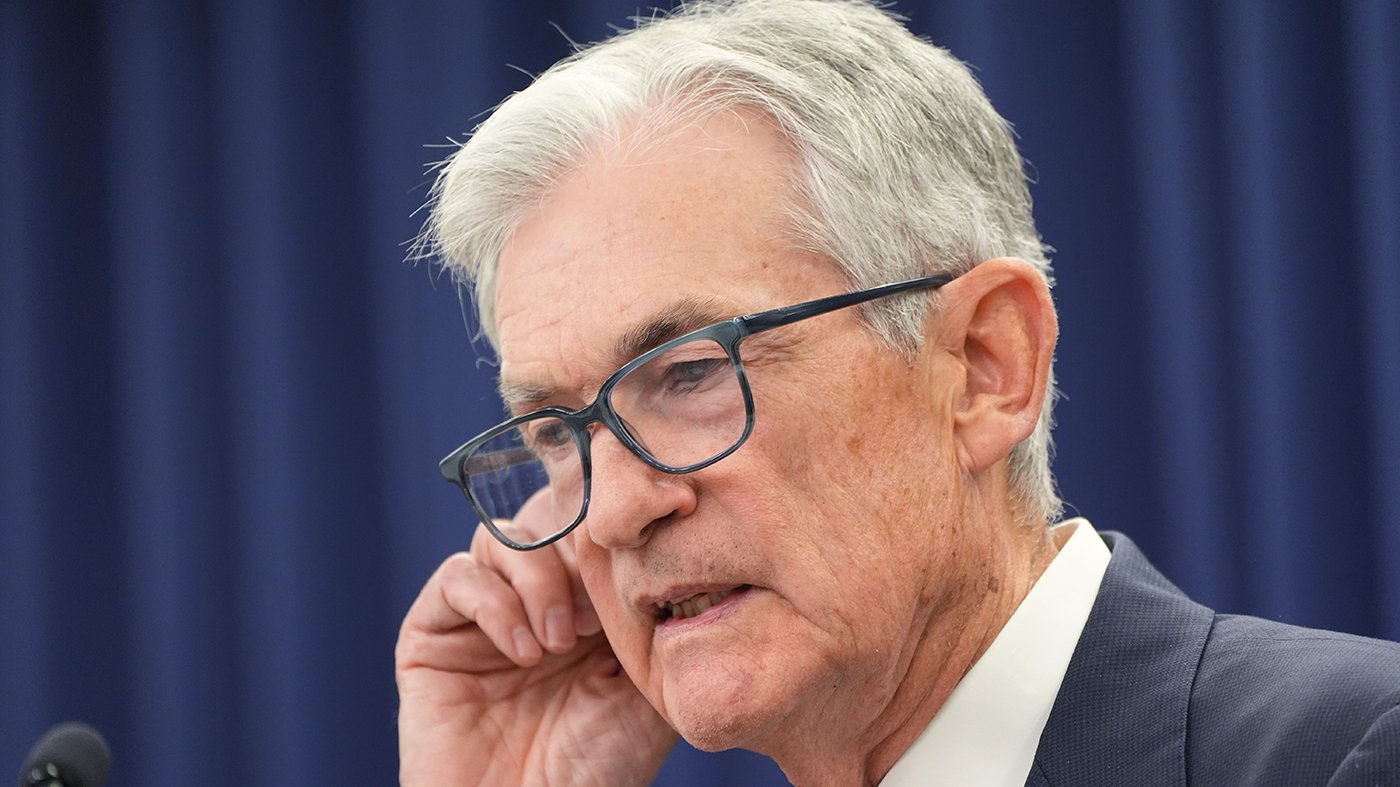
Federal prosecutors from the U.S. Department of Justice made an unannounced attempt to visit the Federal Reserve's headquarters construction site on Tuesday, according to multiple reports. The visit is connected to an ongoing investigation into the central bank and its chair, Jerome Powell, overseen by U.S. Attorney for the District of Columbia Jeanine Pirro.
Prosecutors Carlton Davis and Steven Vandervelden, accompanied by investigator Matthew Fox-Moles, were reportedly denied entry to the site. Officials cited a lack of prior authorization and existing safety protocols for the active construction zone. The attempt follows a series of legal setbacks for the investigation, including a recent federal court ruling that blocked the enforcement of subpoenas issued to the Fed and Powell.
Legal and Political Context of the Probe
The investigation, launched in January, centers on cost overruns associated with the Federal Reserve's $2.5 billion headquarters renovation. It also seeks information related to Powell's testimony before the Senate Banking Committee last June. However, U.S. District Judge James Boasberg ruled last month that the subpoenas may not be enforced, stating prosecutors did not issue them "for a proper purpose."
Powell has characterized the investigation as political. In January, he stated it represented a "show of force" by former President Donald Trump, who frequently criticized the Fed's interest rate decisions. "This is about whether the Fed will be able to continue to set interest rates based on evidence and economic conditions—or whether instead monetary policy will be directed by political pressure or intimidation," Powell argued. This tension over federal authority echoes other contentious projects, such as the legal battles surrounding White House construction initiatives.
Implications for Leadership and Monetary Policy
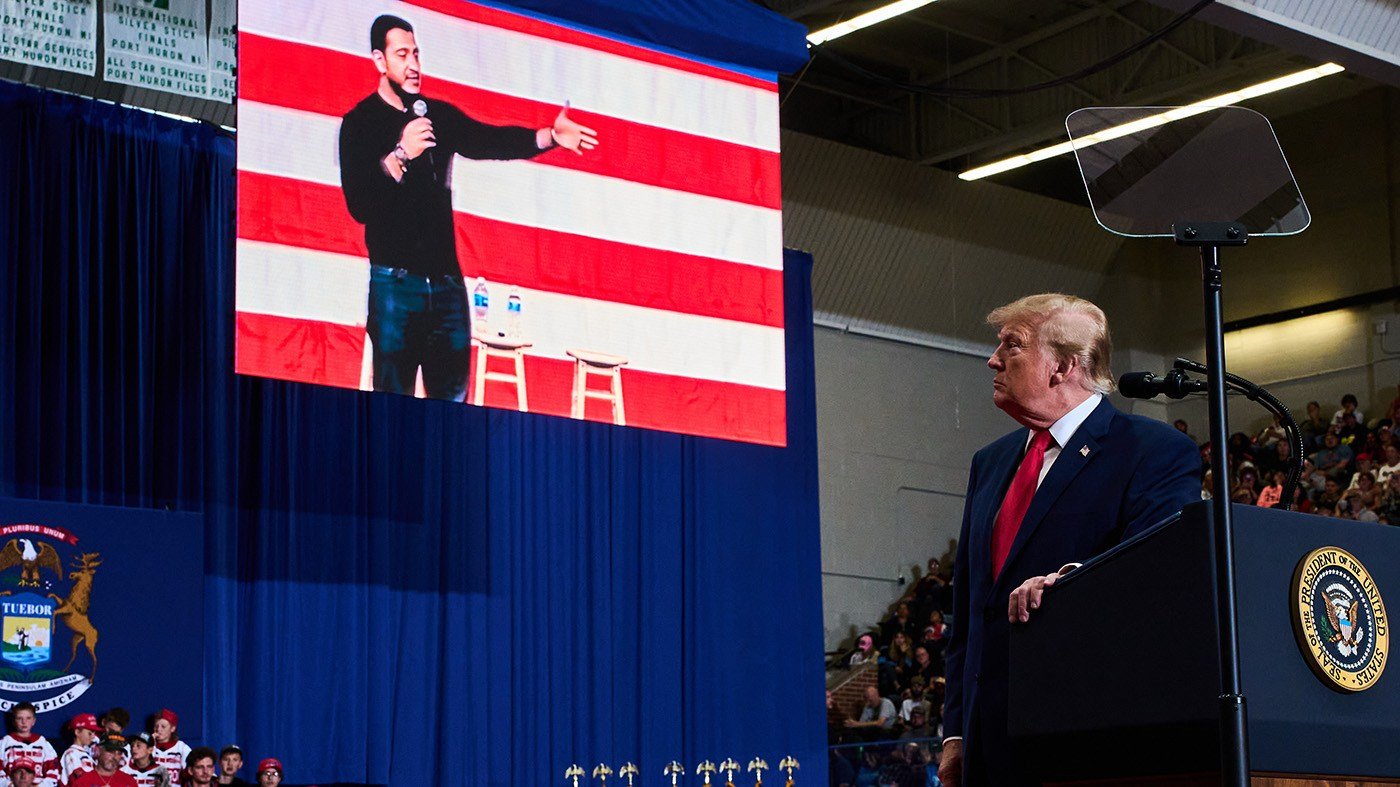
The probe intersects with a critical leadership transition at the central bank. Powell's term as chair expires in May, though he can remain on the Fed's Board of Governors until 2028. Former President Trump has nominated Kevin Warsh to succeed him. However, Senator Thom Tillis (R-N.C.), a member of the Senate Banking Committee, has stated he will not support Warsh's nomination until the investigation into Powell is concluded. The committee is scheduled to hold a hearing on the nomination.
In a recent interview, Trump indicated he is prepared to dismiss Powell if he does not step down at the end of his term as chair. This threat underscores the deep political divisions surrounding the traditionally independent institution, which is navigating economic policy amid broader federal challenges like the mounting pressure on federal operations during the fuel price crisis.
The investigation's focus on a major capital project also raises questions about oversight and procurement within powerful federal entities. Similar scrutiny of large-scale expenditures and federal contracts occurs in other sectors, from defense to technology, where projects can draw significant attention.
The attempted site visit signals that prosecutors are continuing to pursue the investigation despite the judicial rebuke. The office of U.S. Attorney Jeanine Pirro and the Federal Reserve have not provided public comment on Tuesday's events. The situation remains a flashpoint in the debate over the separation between political influence and the operational independence of key economic institutions.