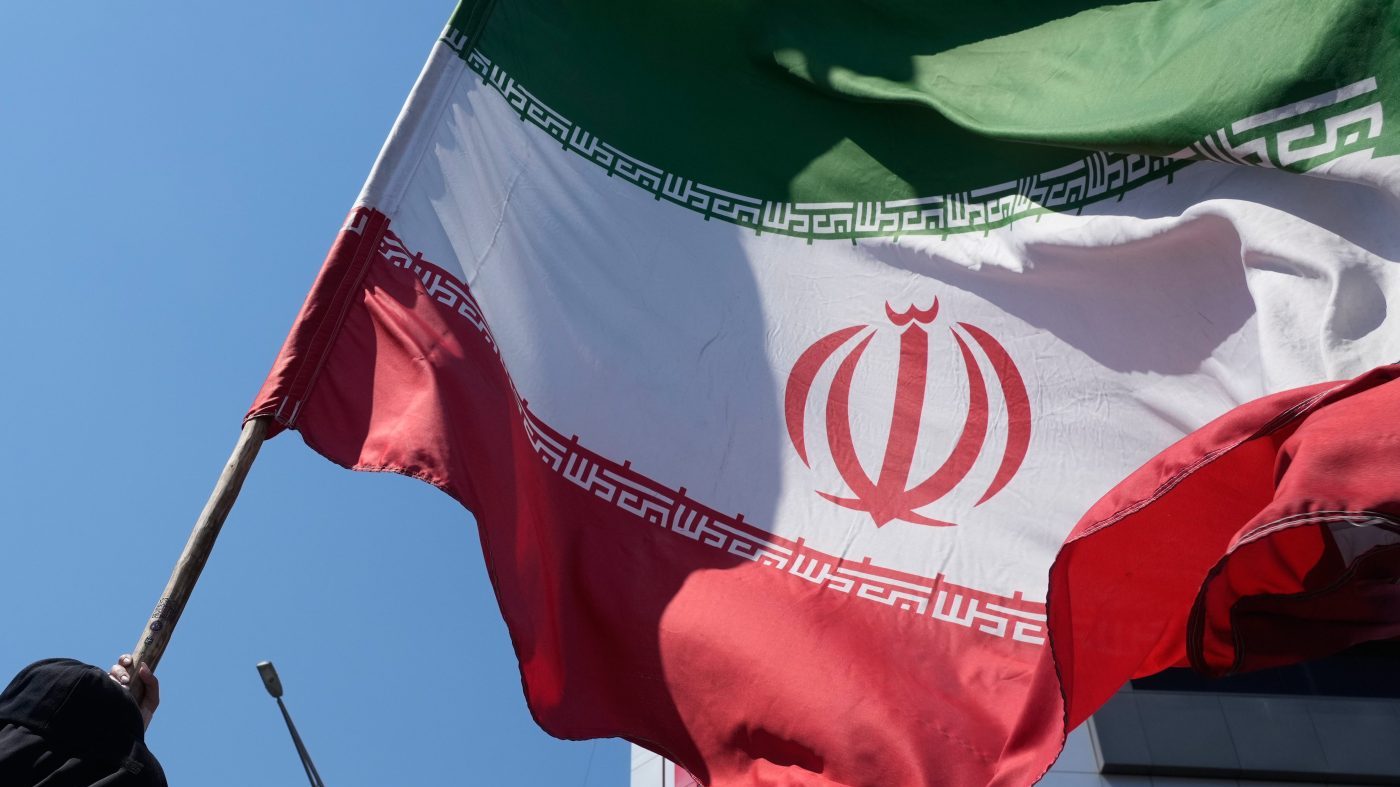
The Iranian regime pushed back Thursday against President Trump's assertion that a deal to end the conflict was close, with a foreign ministry spokesperson stating that Tehran and Washington “had not reached a final conclusion.”
Foreign ministry spokesman Esmail Baghaei told state-run SNN TV that “most of the text of the agreement was finalized, but the problem began when the U.S. side made new demands and changed its positions.” The statement directly contradicted Trump's earlier claim of a “great settlement of the war with Iran,” which he made during afternoon remarks to reporters in the Oval Office.
Earlier that same morning, Trump had threatened on Truth Social to strike Tehran “VERY HARD TONIGHT” and warned of taking Kharg Island, a critical Iranian oil export hub. However, he later called off those planned strikes, saying Tehran had “approved” discussions with the United States.
Iranian Parliament Speaker Mohammad Bagher Qalibaf, who has been leading Tehran's negotiation efforts, cautioned against “impulsive decisions.” In an online post, Qalibaf warned that “wrong strategies and impulsive decisions will reset the entire board for the worse, explode energy infrastructure and markets and create an endless quagmire that you will be stuck in for years. You will see a different Iran.”
Trump insisted that “discussions and final points have been, in both concept and great detail, approved by all parties involved, including the United States, Israel, Saudi Arabia, UAE, Qatar, Turkey, Pakistan, Bahrain, Kuwait, Jordan, Egypt, and others.” But according to a CNN tally, the president has now claimed an agreement is imminent 38 times since U.S. military operations against Iran began on February 28.
Pakistan’s foreign ministry, which has been mediating the talks, said early Friday that it welcomed the “progress achieved through sustained diplomatic agreement.” Foreign Minister Muhammad Ishaq Dar spoke by phone with the European Union’s High Representative and Vice President Kaja Kallas about the latest developments. The ministry said they “reaffirmed that dialogue and diplomacy remain the only viable means to resolve conflicts and advance lasting peace and stability.”
No details of the supposed deal have been released, and skepticism remains high. The Iranian leadership appears to believe it can outlast Trump, betting that domestic political pressure and international fatigue will work in Tehran's favor. Meanwhile, analysts argue that the United States must first rebuild trust with its traditional allies if it wants a credible strategy to counter Iran.
The back-and-forth underscores the volatility of a conflict that has already reshaped energy markets and drawn in multiple regional powers. As both sides dig in, the path to any lasting peace remains uncertain.

